
The beef's been braising for an hour when my daughter walks in and stops cold. "Mom, what IS that smell?" Not the suspicious kind of question, the other kind. The one where she's already eyeing the pot.
I lift the lid and we both lean in. Steam hits our faces, smelling like tomatoes and garlic and something else I can't quite name. Maybe it's the olives, or the wine that's been simmering down. She wrinkles her nose at first, then takes another sniff. "Can I taste it?"
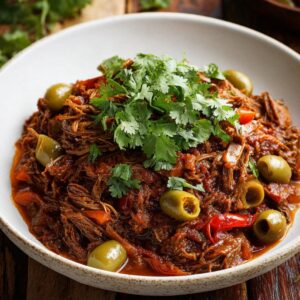
Cuban Ropa Vieja is beef that falls apart into shreds, simmered in tomatoes and peppers until it soaks up every bit of flavor. It's messy to eat and takes forever to cook, and I make it anyway because some things are just worth the wait.
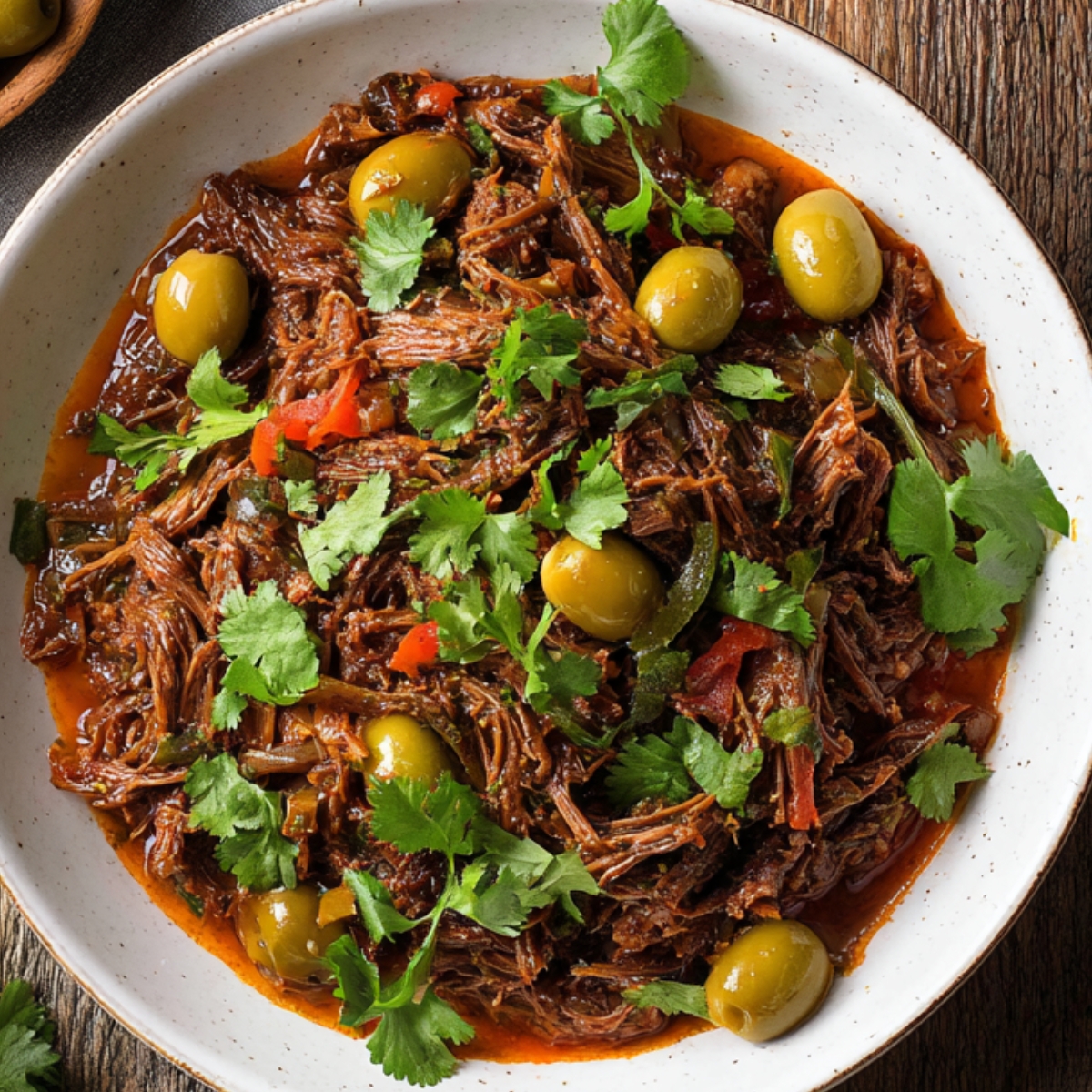
Amelia's Kitchen Discovery
Last Sunday, my seven-year-old Amelia wandered into the kitchen while I was browning the beef. "What's that smell, Mama?" she asked, wrinkling her nose at first, then leaning closer to the pot. I told her we were making something special from Cuba.
She wanted to help, so I let her drop in the sliced olives. Naturally, she knocked the jar sideways and a few rolled across the counter. "Oops! The olives are escaping!" she giggled, chasing one toward the edge.
When it was finally time to taste, I gave her a small forkful over rice. Her eyes got wide. "It's like... a tomato hug for the meat!" she announced, and honestly, I couldn't have described it better myself. She went back for seconds, which is how I knew we had a winner. If you're looking for more kid-friendly comfort meals, you might also love this Healthy Hot Honey Chicken Recipe In 30 Minutes.
Jump to:
- Amelia's Kitchen Discovery
- Cuban Ropa Vieja Ingredients
- How to Make Cuban Ropa Vieja (Stove Top & Oven Method)
- Smart Substitutions
- Making It Kid-Friendly
- Equipment For Cuban Ropa Vieja
- How to Store and Reheat
- Top Tip
- Why You're Going to Love This Cuban Ropa Vieja
- FAQ
- Give It a Try
- Related
- Pairing
- Cuban Ropa Vieja
Cuban Ropa Vieja Ingredients
See Recipe Card Below This Post For Ingredient Quantities
For the Beef:
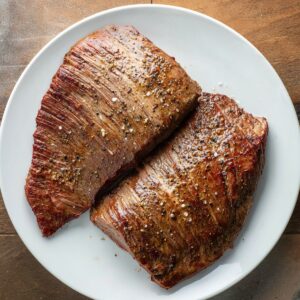
- 2 pounds flank steak
- Salt and ground black pepper to taste
- 3 tablespoons olive oil, divided (avocado or vegetable oil work too)
For the Sauce:
- 1 large onion, thinly sliced
- 3 bell peppers, seeded and thinly sliced (I use red, green, and yellow for color)
- 6 cloves garlic, minced
- 1 tablespoon tomato paste
- 1 teaspoon dried oregano
- 1 teaspoon ground cumin
- 1 teaspoon sweet paprika
- ½ teaspoon ground allspice
- ⅛ teaspoon ground cloves
- ½ cup white wine
- 1 cup chicken broth (sometimes I need a splash more)
- 1 (14-ounce) can crushed tomatoes
- 1 carrot, peeled and cut into thirds
- 1 celery rib, cut into thirds
- 2 bay leaves
The Finishing Touches:
- Chopped cilantro or parsley for garnish
- 1 cup pimento-stuffed Manzanilla olives, drained and sliced
- 1 (4-ounce) jar sliced pimentos
- 2 tablespoons capers, drained (optional but I always add them)
- 1 teaspoon chicken bouillon (optional)
How to Make Cuban Ropa Vieja (Stove Top & Oven Method)
This slow-cooked Cuban Ropa Vieja takes a little time, but most of it is hands-off braising. Here's how to cook Ropa Vieja the traditional way.
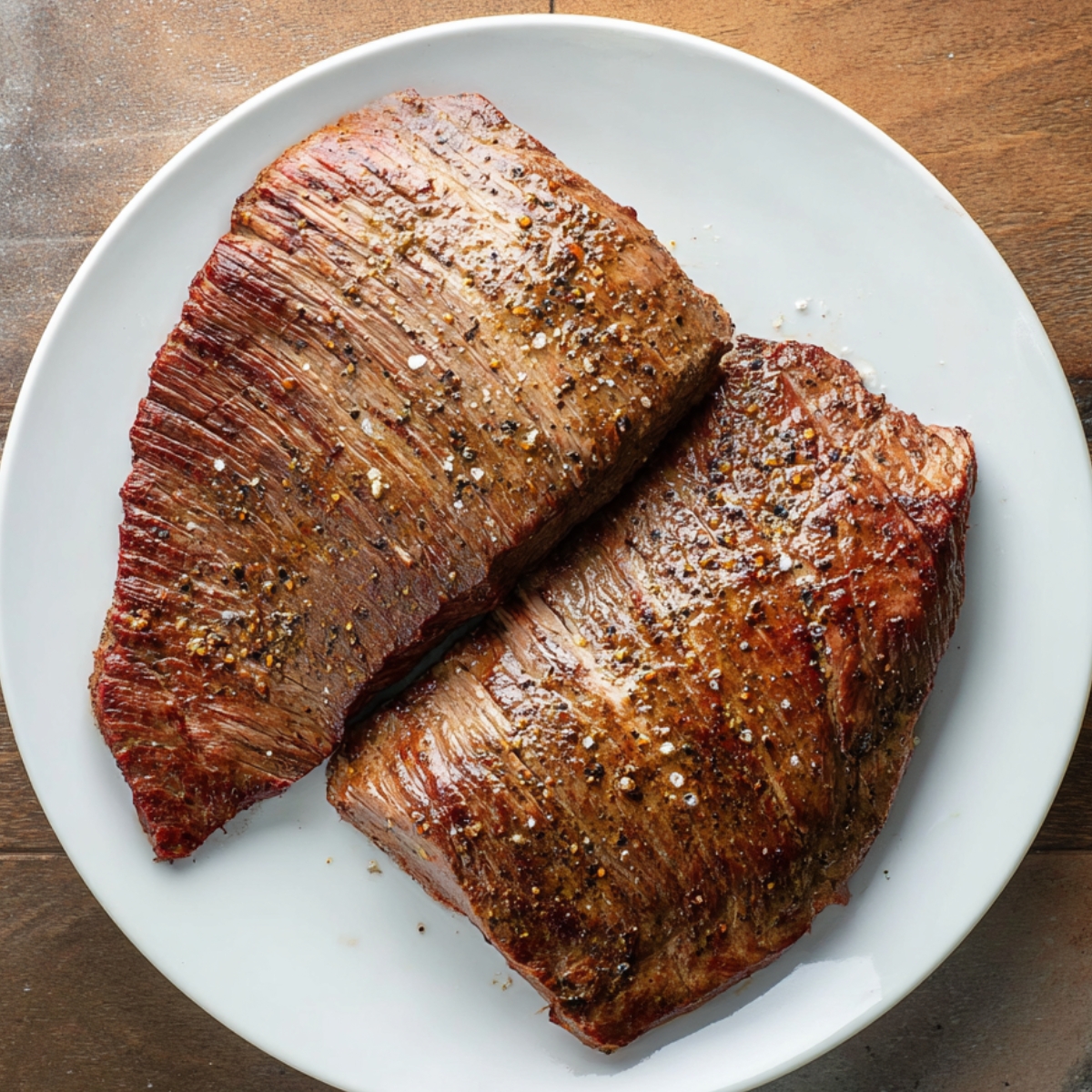
Get the Oven Ready: Preheat your oven to 350°F. If your flank steak is too big for your pot, go ahead and cut it into two or three pieces. Pat the beef completely dry with paper towels, then season both sides generously with salt and pepper.
Sear That Beef: Heat 2 tablespoons of oil in a large Dutch oven over medium-high heat. When it's shimmering, add the beef. Let it sear without moving it for about 3-4 minutes per side until it's deeply golden. If your pot's on the smaller side, sear in batches so the pieces have room. Once it's browned, set the beef aside on a plate.
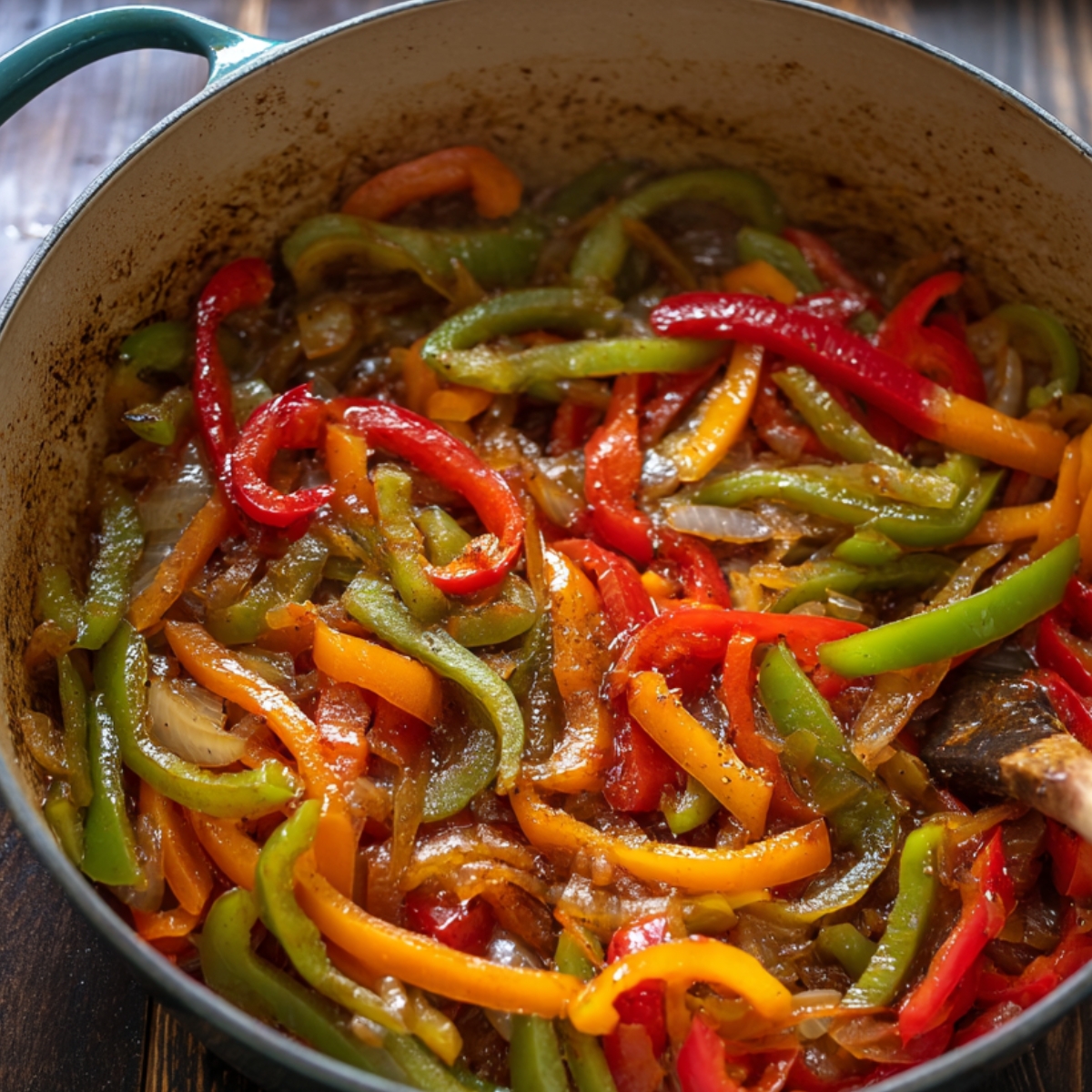
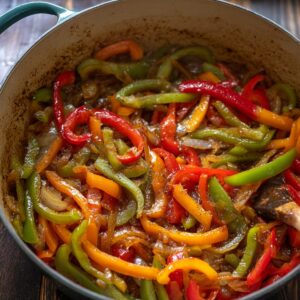
Build the Flavor Base: Add the remaining tablespoon of oil to the same pot. Toss in the sliced onions and bell peppers, scraping up all those tasty browned bits from the bottom. Cook for 5-7 minutes, stirring now and then, until everything softens and smells amazing. Lower the heat, add the garlic, and cook for another minute.
Add Spices and Wine: Stir in the tomato paste, oregano, cumin, paprika, allspice, and cloves. If you're using bouillon, add it now. Let everything cook together for about a minute so the spices bloom. Pour in the white wine, bring it to a rapid boil, and scrape up any remaining bits stuck to the pot. Let it bubble for 1-2 minutes to cook off the alcohol.
Simmer and Braise: Pour in the chicken broth and crushed tomatoes. Nestle the beef back into the pot along with any juices that collected on the plate. Tuck the carrot, celery, and bay leaves under the sauce. If things look a little dry, add a splash more broth. Everything should be mostly submerged. Bring it to a boil, cover the pot with a lid, and slide it into the oven.
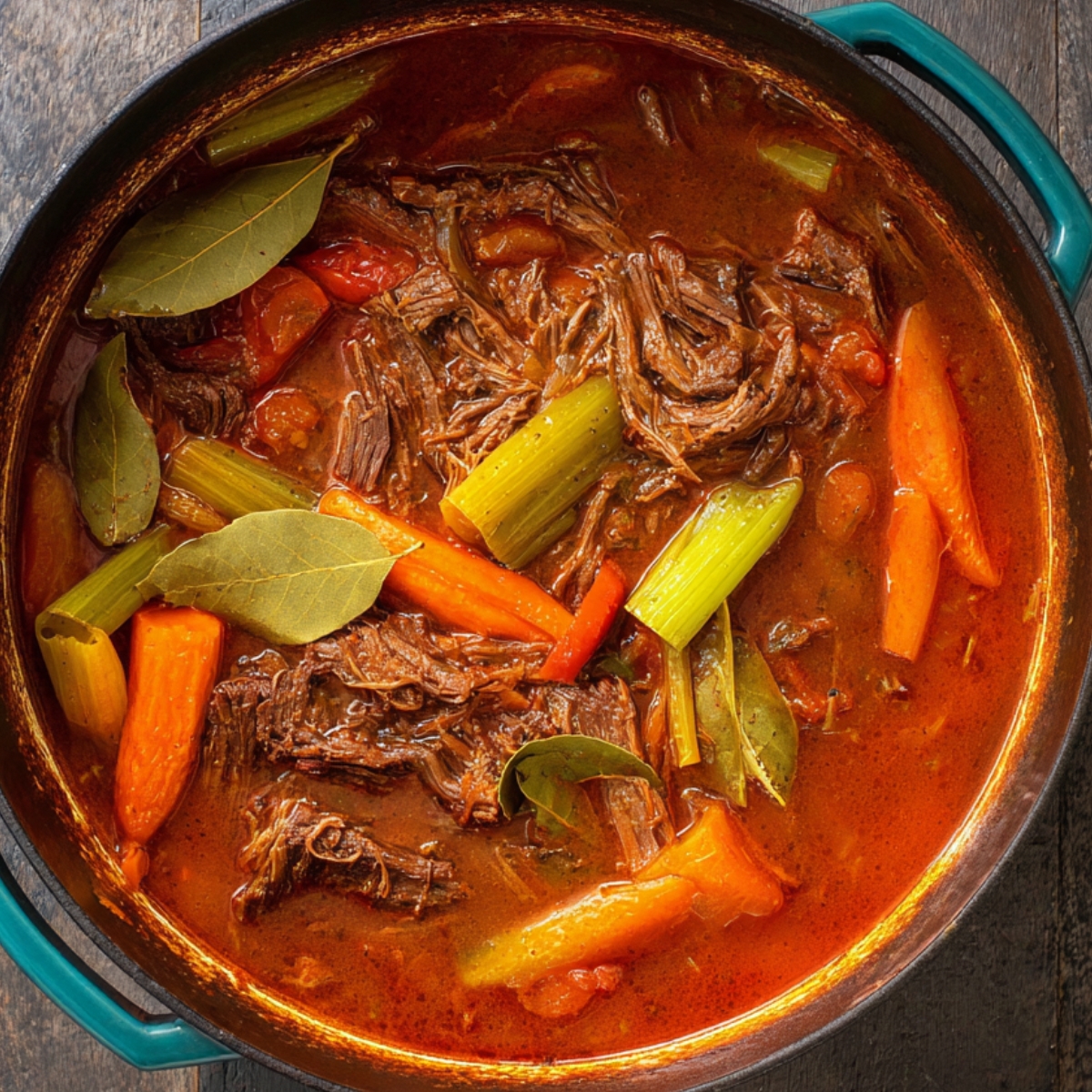
Let It Braise: Cook for about 1 ½ hours. You'll know it's ready when the beef is so tender it falls apart easily.
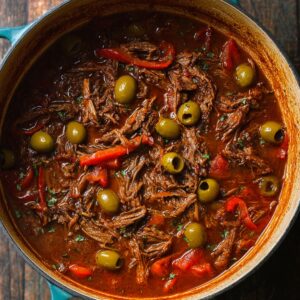
Shred and Finish: Pull out the carrot, celery, and bay leaves (they've done their job). Transfer the beef to a plate and use two forks to shred it into long, thin strands. It should come apart with almost no effort. Return the shredded beef to the pot. Stir in the olives, pimentos, and capers. If you want a richer flavor, add the bouillon now. Let everything simmer uncovered over medium heat until the sauce thickens up nicely, about 5-10 minutes. Taste and adjust the salt and pepper. Stir in fresh cilantro or parsley right before serving.
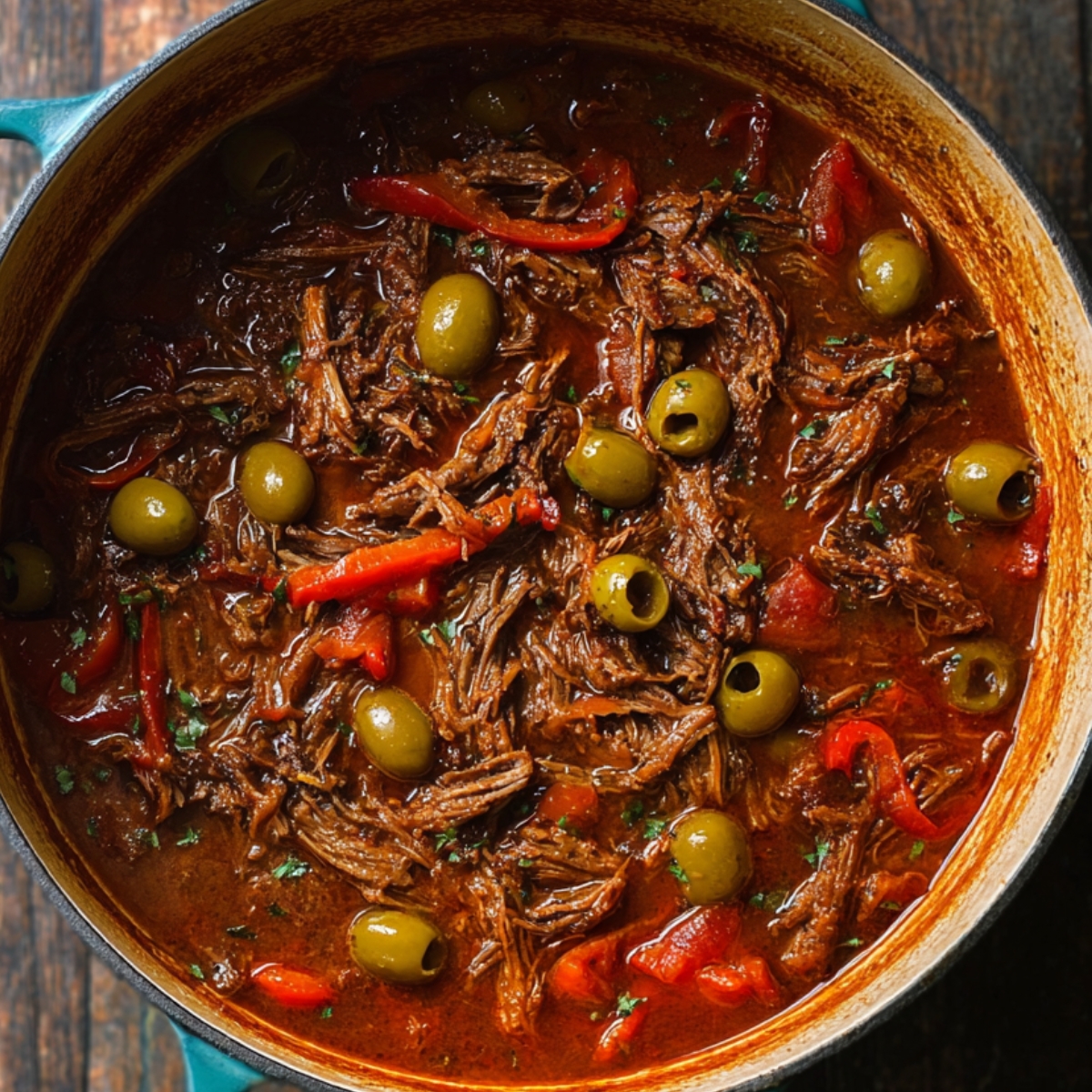
Serve It Up: Spoon the Ropa Vieja over rice or serve it alongside rice and black beans. Garnish with fried ripe plantains if you're feeling fancy. For another hearty side, try this Easy Homemad Roasted Cabbage Steaks Recipe.
Smart Substitutions
Don't have flank steak? Try skirt steak, brisket, or even chuck roast. They all shred beautifully. You can swap the white wine for extra broth if you'd rather skip the alcohol.
If bell peppers aren't your thing (though they're pretty key here), you could use all red peppers for a sweeter flavor. No fresh garlic? Garlic powder works in a pinch, about ½ teaspoon.
For a milder version, skip the allspice and cloves or cut them in half. The dish will still taste wonderful.
Making It Kid-Friendly
Kids sometimes balk at olives and capers. I get it. You can leave them out of the main pot and just add them to the adult portions at the end. The beef itself is usually a hit, especially when it's piled over rice.
If your little ones are sensitive to texture, make sure to shred the beef extra fine. Some kids prefer it more "saucy," so serve it with extra sauce spooned over the top. And honestly, a side of sweet plantains usually wins them over completely. For more family-friendly recipes, check out this Easy Bisquick Chicken And Dumplings Recipe.
Equipment For Cuban Ropa Vieja
For the stove top/oven method, you'll want a large Dutch oven or heavy pot with a lid. A slow cooker works great if that's your preferred method, and the Instant Pot makes it even faster.
You'll also need a good sharp knife for slicing the vegetables, a cutting board, and two forks for shredding the beef. That's really all there is to it.
How to Store and Reheat
Cuban Ropa Vieja keeps beautifully in the fridge for up to 4 days. Store it in an airtight container and it'll actually taste even better the next day once the flavors have melded.
To reheat, warm it gently on the stove over low heat, adding a splash of broth if it seems dry. You can also microwave individual portions, though the stove method keeps the texture better.
This freezes wonderfully too. Let it cool completely, then pack it into freezer-safe containers or bags. It'll keep for up to 3 months. Thaw overnight in the fridge before reheating.
Top Tip
Here's something my mom taught me: don't rush the searing step. Getting a good dark crust on the beef before it braises adds so much depth to the final dish. It's tempting to hurry, but those extra few minutes make all the difference.
Also, if your sauce seems too thin at the end, just let it simmer uncovered a bit longer. The liquid will reduce and concentrate all those flavors. You want it thick enough to cling to the beef, not watery.
Why You're Going to Love This Cuban Ropa Vieja
This Cuban Ropa Vieja checks every box. It's one of those Cuban Ropa Vieja meals with beef that works for a regular Tuesday or when you want to impress someone at the dinner table. The sauce gets rich and thick, the meat practically melts, and the olives and capers add these little bursts of briny goodness.
It's also incredibly flexible. Make it ahead, freeze half for later, or double the batch if you're feeding a crowd. The flavors actually get better after a day in the fridge, which is perfect for busy weeks when you need Cuban food for dinner without the stress.
And let's talk about serving it. Pile it over fluffy white rice, add a scoop of black beans, maybe some fried plantains on the side. It's the kind of meal that brings everyone to the table and keeps them there.
FAQ
What is the best cut of meat for Cuban Ropa Vieja?
Flank steak is the traditional choice because it shreds beautifully and stays tender. Skirt steak or brisket work well too. My tip: look for a piece with good marbling for extra flavor.
Is Cuban Ropa Vieja or Spanish?
While it has Spanish origins, Cuban Ropa Vieja is most closely associated with Cuban cuisine now. It's considered Cuba's national dish and has its own Cuban twist with the olives, capers, and that tomato-based sauce.
What's the difference between Cuban Ropa Vieja and picadillo?
Picadillo uses ground beef and often includes raisins and potatoes, while Cuban Ropa Vieja uses shredded braised beef with bell peppers and olives. They're both delicious Cuban comfort foods, just different textures and flavors.
How is Cuban Ropa Vieja traditionally served?
Ropa Vieja over rice is the most common way, often with black beans on the side and fried plantains for garnish. Some families serve it with white rice and the beans mixed in, while others keep them separate. There's no wrong way, really.
Give It a Try
This Cuban Ropa Vieja is one of those Cuban Ropa Vieja that looks fancy but honestly isn't complicated. The hardest part is waiting while it braises, and even that time is mostly hands-off. You'll end up with tender, flavorful Cuban Ropa Vieja with flank steak that feed a crowd or give you plenty of leftovers.
The first time you pull those beef strands apart and watch them soak up all that garlicky, tomatoey sauce, you'll understand why this dish has stayed popular for generations. It's Cuban comfort food at its absolute best.
So grab your Dutch oven and give it a go. Your kitchen's about to smell incredible.
Related
Looking for other recipes like this? Try these:


Pairing
These are my favorite dishes to serve with Cuban Ropa Vieja
Cuban Ropa Vieja
Equipment
- 1 Dutch oven or large pot with lid Used for searing and simmering the beef, ensuring even cooking.
- 1 Slow cooker Optional method for cooking, makes it convenient for hands-off preparation.
- 1 Instant Pot Faster cooking method for busy days, works well for tenderizing the beef.
- 1 Sharp knife Essential for slicing vegetables and trimming the beef.
- 1 Cutting board Needed for chopping vegetables and prepping the meat.
- 2 Forks Used for shredding the beef after it's cooked.
Ingredients
- 2.2 pounds flank steak Lean cut of beef, ideal for braising
- Salt and ground black pepper to taste For seasoning
- 3.3 tablespoons olive oil Or use avocado or vegetable oil, divided
- 1 large onion thinly sliced (Provides sweetness and flavor)
- 3 bell peppers seeded and thinly sliced (Red, yellow, and green for color)
- 6 cloves garlic minced (Adds aromatic flavor)
- 1.1 tablespoons tomato paste For depth of flavor
- 1.1 teaspoons dried oregano Herb with a warm, earthy flavor
- 1.1 teaspoons ground cumin Spicy and warm flavor
- 1.1 teaspoons sweet paprika Adds a mild smoky taste
- ½ teaspoon ground allspice For a hint of warmth
- ⅛ teaspoon ground cloves For a subtle, aromatic sweetness
- ½ cup white wine Dry wine adds acidity and depth
- 1.1 cups chicken broth To create the braising liquid
- 1 14- ounce can crushed tomatoes Adds acidity and richness
- 1 large carrot peeled and cut into thirds (Adds natural sweetness)
- 1 celery rib cut into thirds (Adds earthy flavor)
- 2 bay leaves For a subtle herbal note
- 1.1 cups pimento-stuffed Manzanilla olives drained and sliced (Briny, savory flavor)
- 1 4- ounce jar sliced pimentos For additional tang and color
- 2 tablespoons capers drained (Optional but recommended for added tang)
- 1 teaspoon chicken bouillon Optional, enhances the broth flavor
- Chopped cilantro or parsley For garnish and freshness
Instructions
- Cut the flank steak into smaller pieces if necessary. Pat the beef dry and season with salt and pepper.
-
Heat 2 tablespoons of oil in a Dutch oven or large pot over medium-high heat. Once hot, add the beef and sear for 3-4 minutes on each side until golden brown. Do this in batches if needed. Remove the beef and set aside.

-
In the same pot, heat the remaining oil. Add the sliced onions and bell peppers. Cook, stirring frequently, for about 5-7 minutes until softened. Reduce heat to medium-low and add the garlic. Cook for 1 more minute until fragrant.
- Stir in the tomato paste, oregano, cumin, paprika, allspice, cloves, and chicken bouillon (if using). Let cook for about 1 minute before adding the white wine. Bring to a boil, scraping the bottom of the pot to loosen browned bits. Let cook for 1-2 minutes to reduce the alcohol. Stir in the broth and crushed tomatoes, then return the beef and its juices to the pot.
- Add the carrot, celery, and bay leaves, tucking everything under the liquid. If needed, add extra broth to cover. Bring to a boil, then cover and transfer to the oven. Cook for 1.5 hours until the beef is tender.
-
Remove the vegetables and bay leaves. Shred the beef with two forks into long strands. Return the shredded beef to the pot. Stir in the olives, pimentos, and capers (if using). Simmer uncovered for 5-8 minutes until the sauce thickens.
-
Season to taste, then stir in chopped cilantro or parsley. Serve with rice, black beans, and fried plantains.
Leave a Reply