
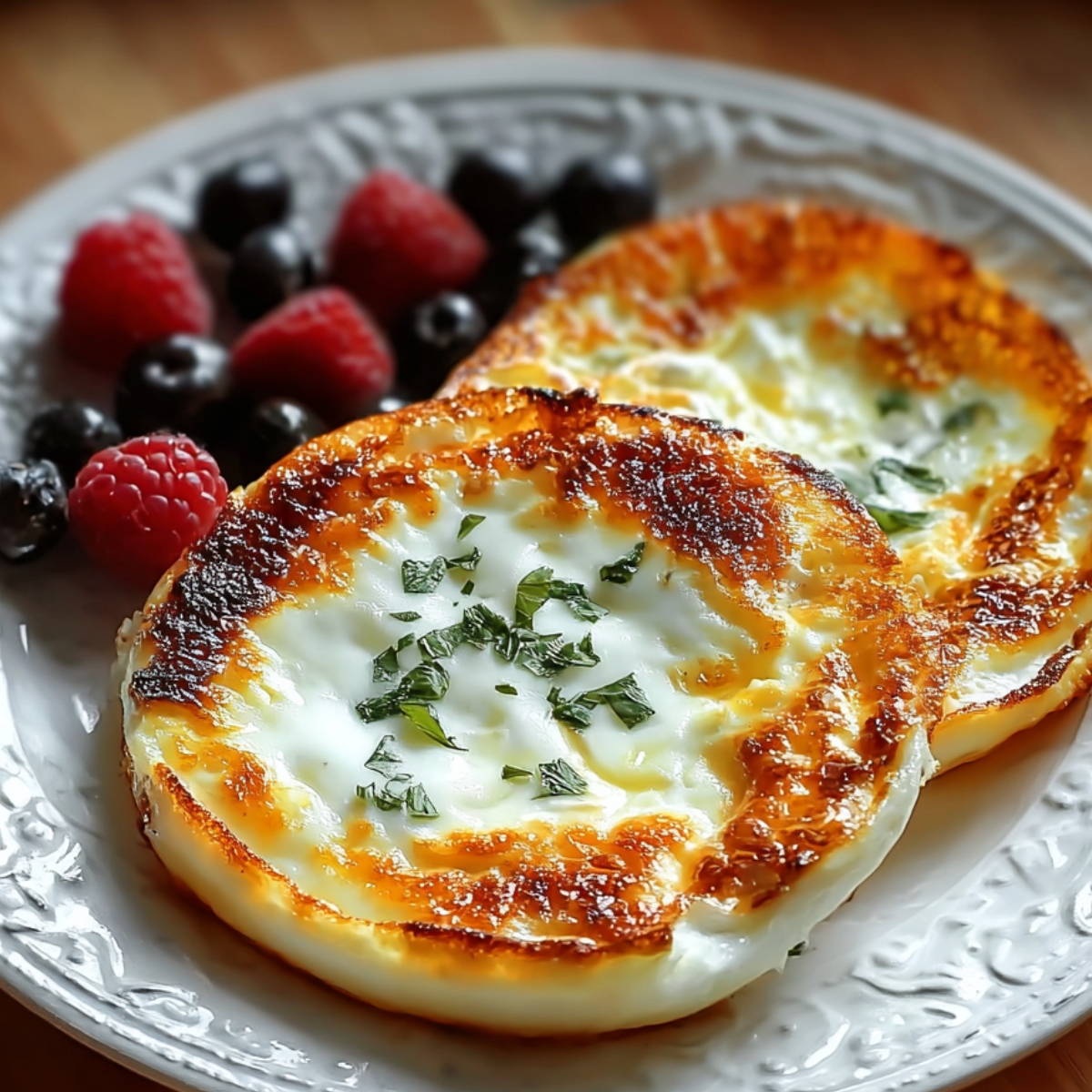
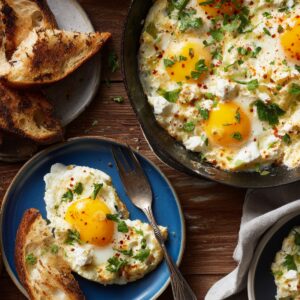
Emma looked at her breakfast plate last Monday morning and announced "Mom, these eggs taste like clouds but creamier." That's when I knew my experiment with cottage cheese eggs had officially succeeded. What started as my attempt to add protein to her breakfast became the fluffy scrambled eggs she now requests every single morning. Watching her actually finish breakfast without complaining for the first time in months, I realized we'd found our high-protein breakfast solution.After twenty years of creating breakfasts that actually fuel people instead of leaving them hungry by 10am, I can promise you this: cottage cheese scrambled eggs are a game-changer.
Why You'll Love This Cottage Cheese Eggs
These high-protein egg dishes are pure breakfast magic. They're packed with protein from both eggs and cottage cheese, keeping you full for hours instead of hungry by mid-morning. Emma's teacher actually commented that she's stopped asking for snacks before lunch, which I attribute entirely to this protein-packed breakfast. The cottage cheese omelette texture is impossibly creamy and fluffy, with none of that rubbery texture regular scrambled eggs sometimes get. It's the kind of healthy egg breakfast that makes you feel like you're eating something indulgent when really you're fueling your body properly.
This cottage cheese and eggs recipe is endlessly versatile and adapts to whatever diet or lifestyle you're following. Want eggs and cottage cheese for weight loss? They're incredibly filling with fewer calories than cream-based eggs. Need a low-carb breakfast idea? These are naturally keto-friendly. Doing meal prep? Make cottage cheese egg bites in a muffin tin for grab-and-go breakfasts all week. It's essentially the most adaptable egg recipe because cottage cheese adds creaminess and protein without changing the fundamental egg flavor everyone loves.
Jump to:
- Why You'll Love This Cottage Cheese Eggs
- Ingredients You Need for Cottage Cheese Eggs
- How To Make Cottage Cheese Eggs Step By Step
- Smart Swaps for Cottage Cheese Eggs
- Cottage Cheese Eggs Variations
- Equipment For Cottage Cheese Eggs
- Storing Your Cottage Cheese Eggs
- Top Tip
- FAQ
- High-Protein Breakfast Made Simple!
- Related
- Pairing
- Cottage Cheese Eggs
Ingredients You Need for Cottage Cheese Eggs
Basic Recipe:
- 4 large eggs
- ¼ cup cottage cheese
- 1 tablespoon butter or olive oil for cooking
- Salt and pepper to taste
- Optional: pinch of garlic powder
Flavor Additions:
- Fresh herbs
- Shredded cheese
- Diced vegetables
- Cooked bacon or sausage
- Hot sauce or salsa
For Baking:
- Muffin tin for cottage cheese egg muffins
- Baking dish for cottage cheese eggs frittata
- Cooking spray
See recipe card for quantities.
Popular Combos:
- Cottage cheese eggs blender method for smoothness
- Cottage cheese eggs and avocado
- Cottage cheese eggs wrap filling
How To Make Cottage Cheese Eggs Step By Step
Blend Your Ingredients
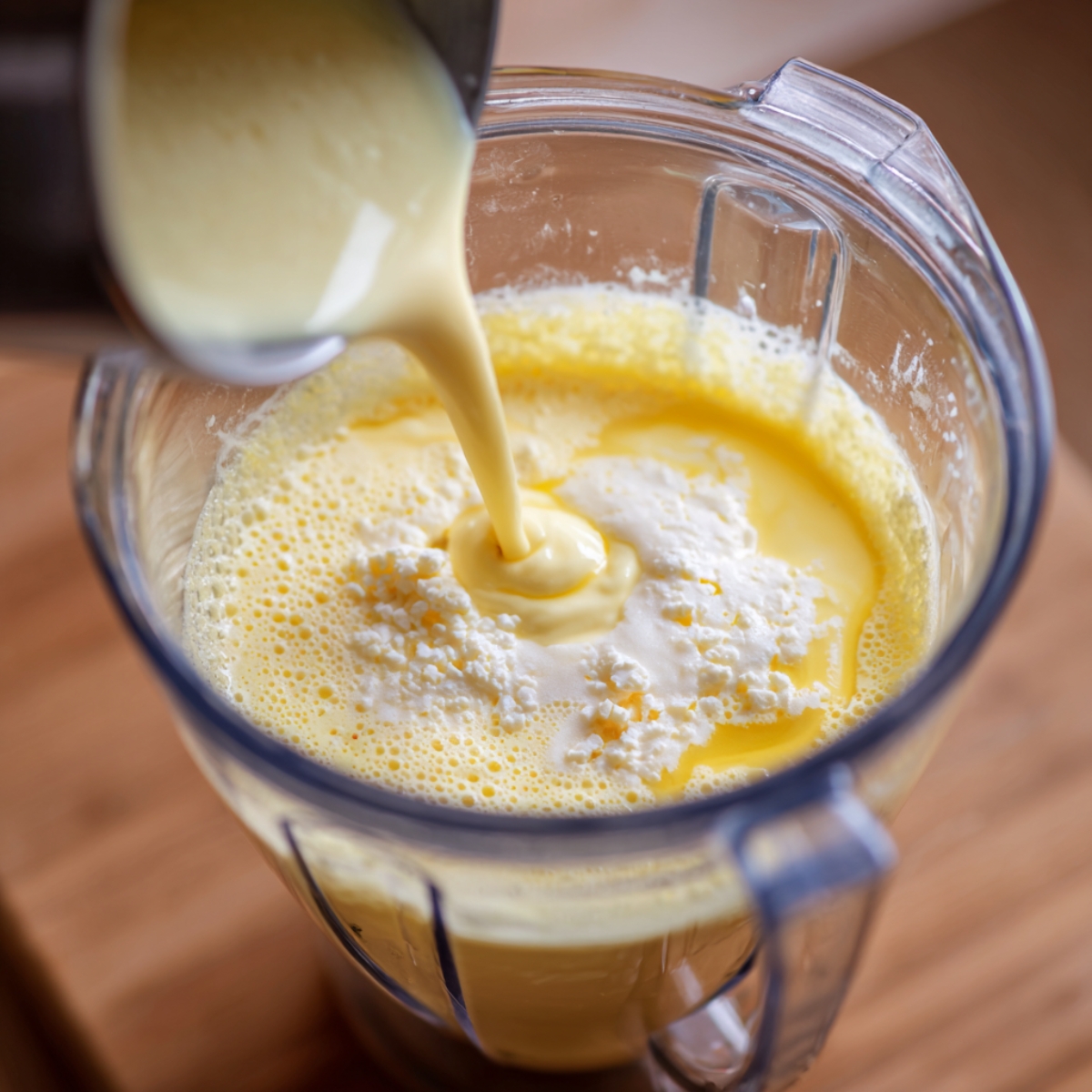
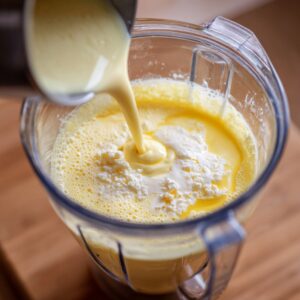
This is the secret step that makes these eggs special - crack your eggs into a blender, add cottage cheese, salt, pepper, and any seasonings you're using. Blend on medium speed for just 10-15 seconds until the cottage cheese is completely smooth and incorporated into the eggs. You should see no visible cottage cheese curds - it should look like a pale yellow, slightly thick liquid. Grandmother Dorothy discovered this method because kids wouldn't eat eggs with visible cheese lumps. The cottage cheese eggs blender technique creates an incredibly smooth base that results in the creamiest eggs imaginable.
Heat Your Pan
Place a non-stick skillet over medium-low heat - and I mean medium-LOW, not medium. This is crucial for creamy eggs. Add your butter or olive oil and let it melt completely, swirling to coat the entire bottom of the pan. The pan should be warm but not so hot that butter sizzles aggressively. If your butter is browning, your heat is too high. Cottage cheese eggs cook more slowly than regular scrambled eggs because of the extra protein and moisture, so patience is essential.
Pour and Wait
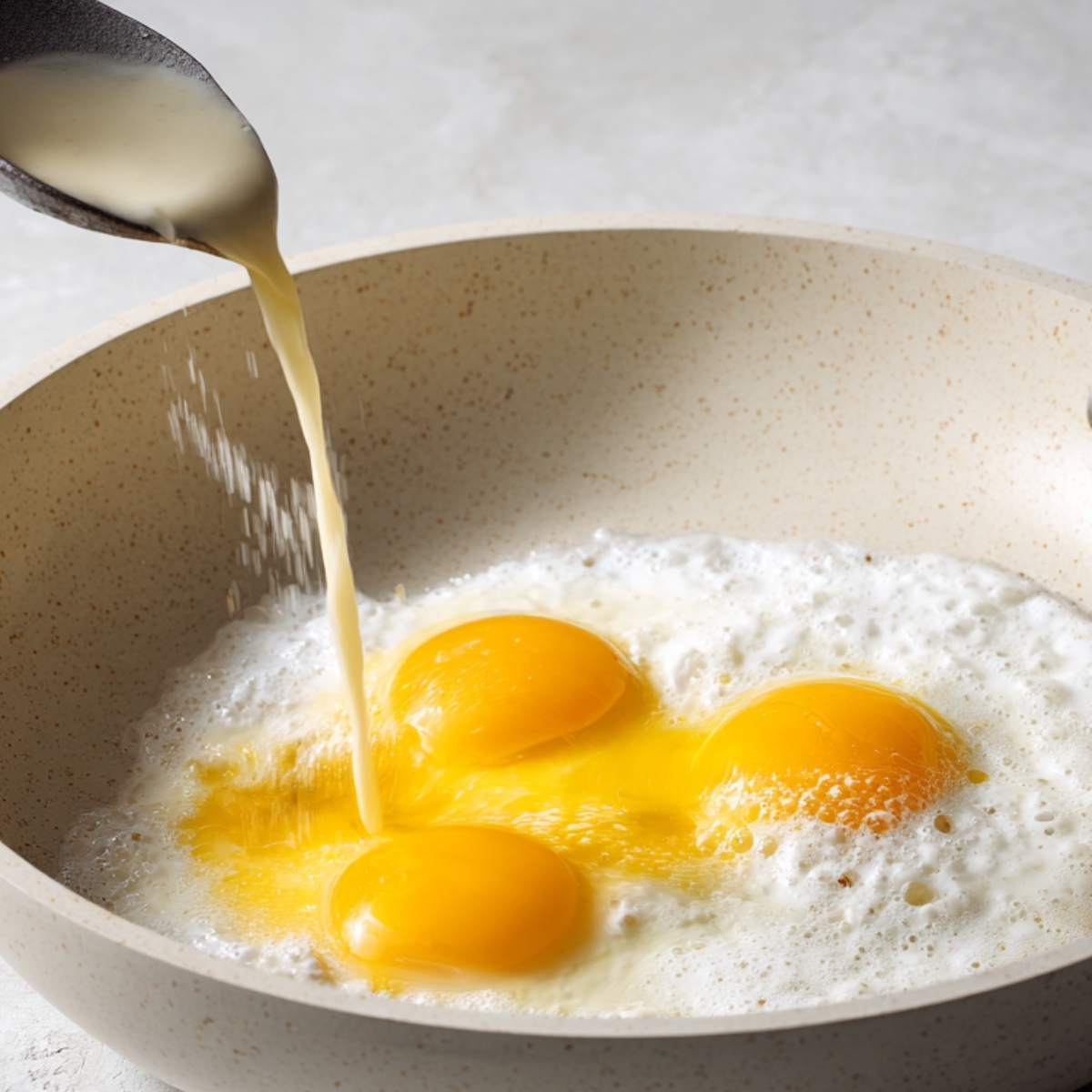
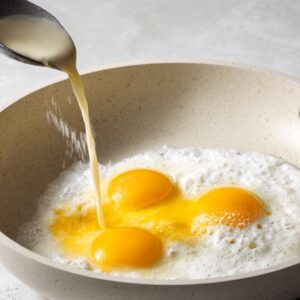
Pour your blended egg mixture into the warm pan. Here's where most people mess up - they immediately start stirring. Don't! Let the eggs sit completely undisturbed for about 30-45 seconds. You'll see the edges just starting to set. This waiting period allows the eggs to begin cooking gently and evenly. Grandmother Dorothy would say "patience makes perfect eggs - stirring too early makes rubber." During this waiting time, resist every urge to poke or stir. Emma used to get so impatient during this step, and I'd make her count to thirty out loud to keep her hands off the spatula.
Gently Scramble
Once the edges are starting to set, use a rubber spatula to gently push the cooked eggs from the edges toward the center, tilting the pan so uncooked egg flows to the empty spaces. Move slowly and deliberately - this isn't vigorous scrambling, it's gentle folding. Continue this process, creating large, soft curds rather than tiny scrambled bits. The cottage cheese keeps the eggs incredibly moist, so they'll look wetter than regular scrambled eggs even when they're nearly done. Remove the pan from heat when the eggs still look slightly underdone - they'll continue cooking from residual heat and reach perfect texture as they rest.
Rest and Serve
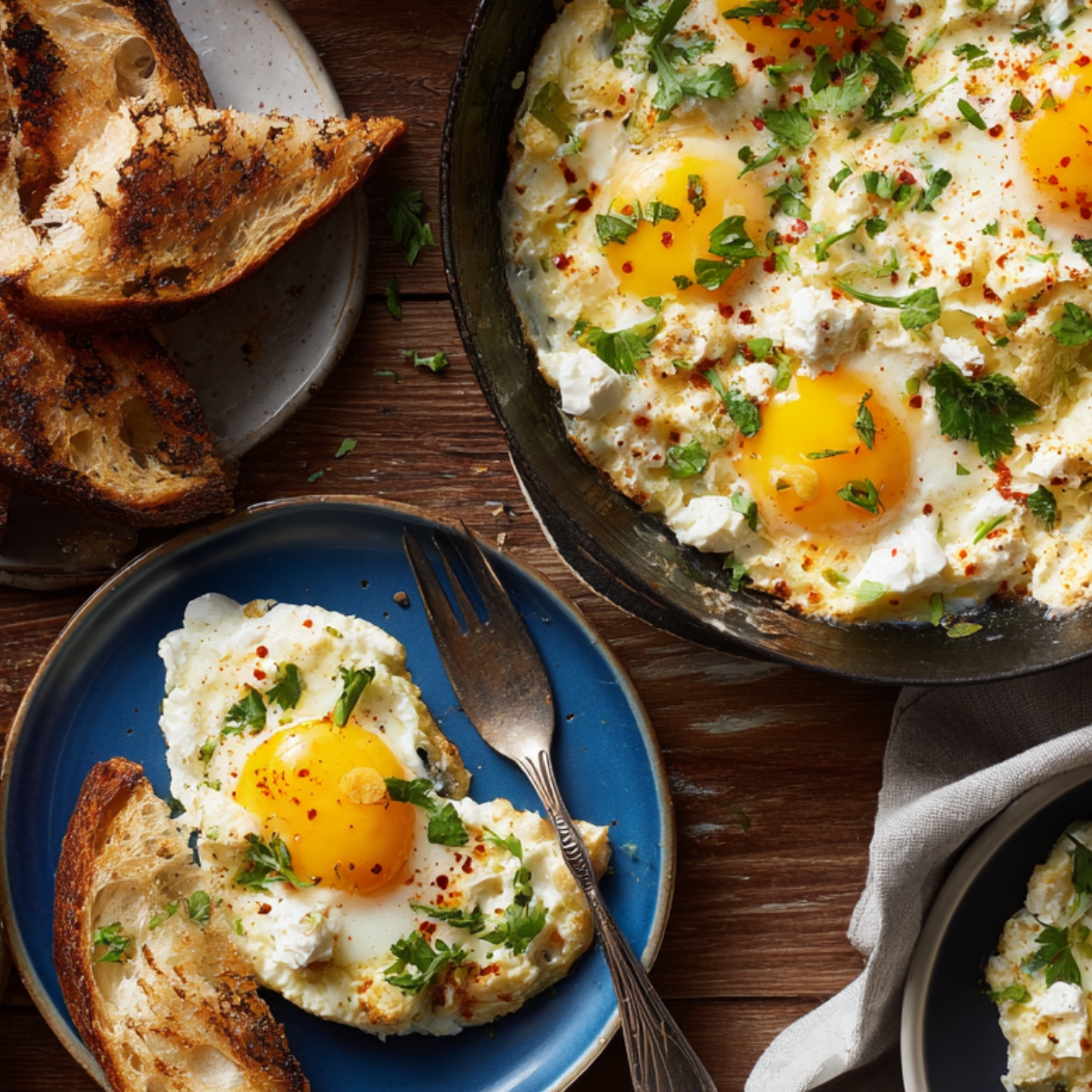
Let your eggs rest in the pan off the heat for about 30 seconds - they'll finish cooking gently and the texture will set to perfection. Transfer to plates immediately and serve hot. These are amazing on their own, but we love them as cottage cheese eggs wrap filling in whole wheat tortillas, topped on toast for open-faced sandwiches, or served alongside cottage cheese eggs and avocado for healthy fats. Emma adds hot sauce to hers every single time, which Grandmother Dorothy would have approved of because capsaicin boosts metabolism.
Smart Swaps for Cottage Cheese Eggs
Cottage Cheese Alternatives:
- Ricotta cheese → Cottage cheese (creamier, less protein)
- Greek yogurt → Cottage cheese (tangier, similar protein)
- Cream cheese → Cottage (richer, less healthy)
- Silken tofu → Cottage cheese (vegan, different texture)
Cooking Methods:
- Scrambled → Basic method (classic, quick)
- Cottage cheese eggs omelet → Scrambled (fancier presentation)
- Frittata → Scrambled (baked, serves more)
- Muffin cups → Pan method (meal prep friendly)
Fat Options:
- Olive oil → Butter (Mediterranean, heart-healthy)
- Coconut oil → Butter (slight coconut flavor)
- Avocado oil → Butter (high smoke point)
- Cooking spray → Butter (lower calorie)
Add-Ins:
- Herbs for brightness → Plain (zero calories, maximum flavor)
- Vegetables for volume → Plain (adds nutrients, lowers calories for eggs and cottage cheese for weight loss)
- Cheese for flavor → Plain (extra protein and fat)
Cottage Cheese Eggs Variations
Mexican Style:
- Add salsa, jalapeños, cilantro
- Serve in cottage cheese eggs wrap
- Top with avocado
- Emma's favorite variation
Italian Frittata:
- Add tomatoes, basil, mozzarella
- Makes cottage cheese eggs frittata
- Bake in oven
- Perfect for brunch
Greek Version:
- Add spinach, feta, sun-dried tomatoes
- Mediterranean flavors
- High protein, keto-friendly
- Adult favorite
Veggie-Loaded:
- Add mushrooms, peppers, onions, spinach
- Great for weight loss (volume eating)
- Nutrient-dense
- Fills you up
Breakfast Bowl:
- Serve over quinoa or sweet potato
- Add cottage cheese eggs and avocado
- Makes complete meal
- Post-workout perfect
Equipment For Cottage Cheese Eggs
- Blender (for smooth texture)
- Non-stick skillet
- Rubber spatula
- Measuring cups
- Mixing bowl (if no blender)
Storing Your Cottage Cheese Eggs
Fridge Storage (3-4 days):
- Cool completely before storing
- Keep in airtight container
- Reheat gently in microwave (30 seconds)
- Or reheat in skillet with splash of water
Freezer Storage (1 month):
- Cool completely first
- Portion into servings
- Freeze in containers or bags
- Thaw overnight, reheat gently
Meal Prep Tips:
- Make egg muffins Sunday for week
- Store scrambled eggs in portions
- Reheat in microwave 30-45 seconds
- Add fresh veggies when serving
Best Reheating:
- Add cheese when reheating for extra moisture
- Microwave with splash of milk (prevents drying)
- Low heat in skillet with butter
- Don't overheat (makes them rubbery)
Top Tip
- The biggest mistake people make is using heat that's too high, resulting in rubbery, watery eggs instead of creamy perfection. High heat causes the proteins in both eggs and cottage cheese to tighten aggressively, squeezing out all the moisture and creating that unappetizing watery puddle around tough eggs. You need gentle, patient heat - medium-low at most.
- The cottage cheese eggs should cook slowly enough that you can actually watch them transform from liquid to soft curds over several minutes. Grandmother Dorothy would say "if your eggs cook in under 3 minutes, your heat is too high." Emma learned this lesson when she cranked the burner to high thinking "faster is better" and ended up with eggs that looked like they were swimming in water and tasted like rubber bands. Now she sets the heat to medium-low and doesn't touch it.
- Not blending the cottage cheese thoroughly enough leaves visible lumps that kids (and many adults) find off-putting, leading to breakfast rejection. Even people who love cottage cheese on its own often don't like the texture of curds mixed into eggs - it creates this weird textural contrast that's distracting. The cottage cheese eggs blender method solves this completely by creating a perfectly smooth base where you get all the protein and creaminess without any textural weirdness.
FAQ
Is cottage cheese good with eggs?
Absolutely! Cottage cheese and eggs are a match made in high-protein heaven. The cottage cheese adds incredible creaminess to scrambled eggs while boosting protein content significantly - you're getting protein from both the eggs and the cheese, making this one of the most filling breakfasts possible. The cottage cheese also adds moisture that keeps eggs from drying out, creating that impossibly fluffy texture. Nutritionally, combining eggs and cottage cheese gives you complete protein with all essential amino acids, plus calcium from the cottage cheese.
How much cottage cheese should you put in two eggs?
The ideal ratio is about 2 tablespoons of cottage cheese per egg, so for two eggs, use ¼ cup (4 tablespoons) of cottage cheese. This ratio creates eggs that are noticeably creamier and fluffier than regular scrambled eggs without being so cheese-heavy that they taste or feel weird. Less than this (1 tablespoon per egg) doesn't create enough impact on texture or nutrition. More than this (3+ tablespoons per egg) can make the eggs too wet and heavy.
Can cottage cheese be melted?
Cottage cheese doesn't truly "melt" like cheddar or mozzarella because it's a fresh cheese with high moisture content and relatively low fat. When heated, the curds soften and can break down, but they won't become smooth and stretchy like melting cheese. However, when you blend cottage cheese smooth and mix it with eggs, then cook them gently, the cottage cheese integrates completely into the eggs, creating a creamy texture without distinct curds. This is why the blender method works so well - you're breaking down the curds before cooking, so they incorporate seamlessly.
What is the best thing to mix with cottage cheese?
From a cooking perspective, eggs are one of the absolute best things to mix with cottage cheese! The proteins complement each other, the textures blend beautifully when cooked together, and the nutritional profile is exceptional. Other great cottage cheese pairings include: fresh fruit for sweet applications (berries, peaches, pineapple), fresh herbs for savory dishes (chives, dill, parsley), vegetables in baked dishes (spinach, tomatoes, peppers), and whole grains for complete meals (quinoa, whole wheat pasta, brown rice).
High-Protein Breakfast Made Simple!
You've just learned how to create restaurant-quality eggs that deliver serious nutrition without sacrificing taste or texture. This isn't just another healthy breakfast you force yourself to eat - it's genuinely delicious food that happens to fuel your body properly. From Grandmother Dorothy's dietitian wisdom to my ongoing smooth-versus-chunky debate with my best friend, you now have all the secrets to make cottage cheese eggs that keep you full and energized for hours.
Want more high-protein breakfast ideas? Try our Easy English Muffin Pizza Recipe for another protein-packed morning favorite. Our Delicious Korean BBQ pork Recipe delivers nutrition you can eat with a spoon. Need more egg dishes? Our Veggie Frittata Recipe is perfect for meal prep. And for another cottage cheese recipe, Easy Chickpea Feta Avocado Salad Recipe transform breakfast with extra protein!
Share your cottage cheese eggs creations with us! We absolutely love seeing your fluffy, creamy eggs and hearing how they've changed your mornings. Emma gets so excited when people post their versions - she feels like she's spreading Grandmother Dorothy's nutrition wisdom one breakfast at a time!
Rate this Cottage Cheese Eggs and let us know your results!
Related
Looking for other recipes like this? Try these:

Pairing
These are my favorite dishes to serve with Cottage Cheese Eggs


Cottage Cheese Eggs
Equipment
- 1 Blender (For smooth texture)
- 1 Non-stick skillet (Medium-low heat recommended)
- 1 Rubber spatula (For gentle folding)
- 1 Measuring Cups (For eggs and cottage cheese)
- Optional Muffin tin (For egg muffins)
- Optional Baking dish (For frittata)
Ingredients
- 4 large - Eggs
- ¼ cup Cottage cheese - Smooth or small-curd
- 1 tablespoon Butter or olive oil - For cooking
- To taste Salt
- To taste Pepper
- Optional pinch Garlic powder - Optional seasoning
- Optional Fresh herbs - Chives dill, parsley
- Optional Shredded cheese - Mozzarella cheddar, etc.
- Optional Diced vegetables - Peppers onions, mushrooms
- Optional Cooked bacon or sausage - Adds flavor
- Optional Hot sauce or salsa - For topping
Instructions
-
Crack eggs into a blender. Add cottage cheese, salt, pepper, and optional seasonings. Blend 10-15 seconds until smooth.

- Warm a non-stick skillet over medium-low heat. Melt butter or heat oil to coat the pan.
-
Pour the blended eggs into the skillet. Let sit 30-45 seconds without stirring.
-
Gently fold eggs with a spatula from edges to center until mostly set but still slightly underdone.
- Remove from heat, let rest 30 seconds, and serve hot with optional toppings.
Leave a Reply