
These soft, golden Scottish Tattie Scones are wonderfully buttery, lightly crispy on the edges, and so simple to make with just three ingredients. I first tried them on a chilly morning in Edinburgh, served hot off the griddle with melted butter pooling in the center, and I've been hooked ever since.

They remind me a bit of The Best Irish Potato Pancakes Recipe, but with their own unique texture tender and slightly chewy. Perfect alongside Best Strawberry Pancakes Recipe In 30 Minutes for a cozy breakfast spread, or even paired with Easy Homemade Blended Oats Recipe for a hearty start to your day.
Why You'll Love This Scottish Tattie Scones
Easy Scottish Tattie Scones are genuinely simple to make, even if you've never worked with potato dough before. You only need three ingredients, and the whole process feels more like play than actual cooking. The dough is soft and easy to handle, and you don't need any fancy equipment or special skills.
They're incredibly versatile too. Eat them fresh and warm with butter and jam for a sweet treat, or fry them up with a full Scottish breakfast for something more savory. You can make a batch ahead of time and freeze them, then pop them in the toaster whenever you need a quick, filling snack.
Kids love them because they're mild and comforting, and adults appreciate how satisfying they are without being too heavy. Plus, they use up leftover potatoes beautifully, which makes them a smart choice when you're trying to waste less food.
Jump to:
Scottish Tattie Scones Ingredients
Here's what you'll need to make these Scottish Tattie Scones
See Recipe Card Below This Post For Ingredient Quantities
Potatoes (500g): The base of this Scottish Tattie Scones. Any floury potato works, but King Edward or Maris Piper give the best texture. Russets work great too if you're in the US.
Butter (25g): Adds richness and helps bind the dough. Use room temperature butter for easier mixing and a smoother dough.
Plain Flour (125g or 1 cup): Brings the dough together and gives the scones structure. You may need slightly less depending on your potatoes' moisture, so add it gradually.
How to Make Scottish Tattie Scones
Let's get these beauties on the griddle.
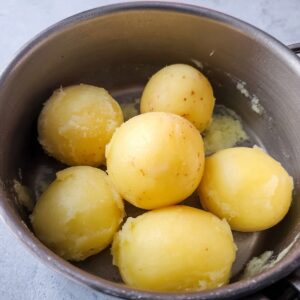
Boil the potatoes: Peel and boil potatoes, or boil with skins on and remove after. Use similarly sized potatoes or cut them to the smallest size for even cooking, usually about 15 to 20 minutes until fork-tender.
Drain and dry: Drain potatoes and allow them to air dry for a few minutes to remove excess moisture. This step is important because wet potatoes will make your dough sticky and harder to work with.
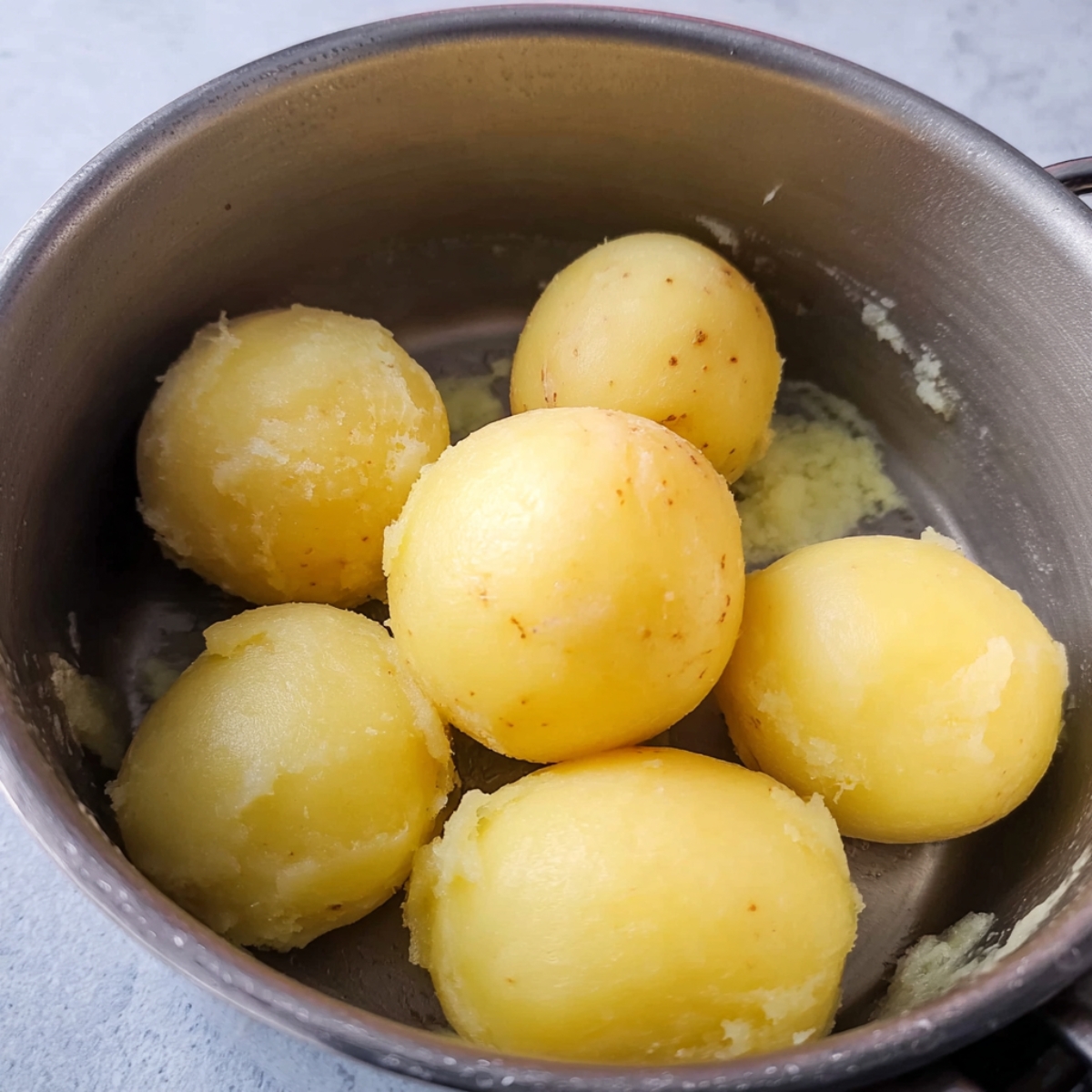
Mash with butter: Add room temperature butter to the potatoes and mash together until smooth and creamy. Alternatively, use a potato ricer and then mix in the butter for an extra fluffy, lump-free texture.
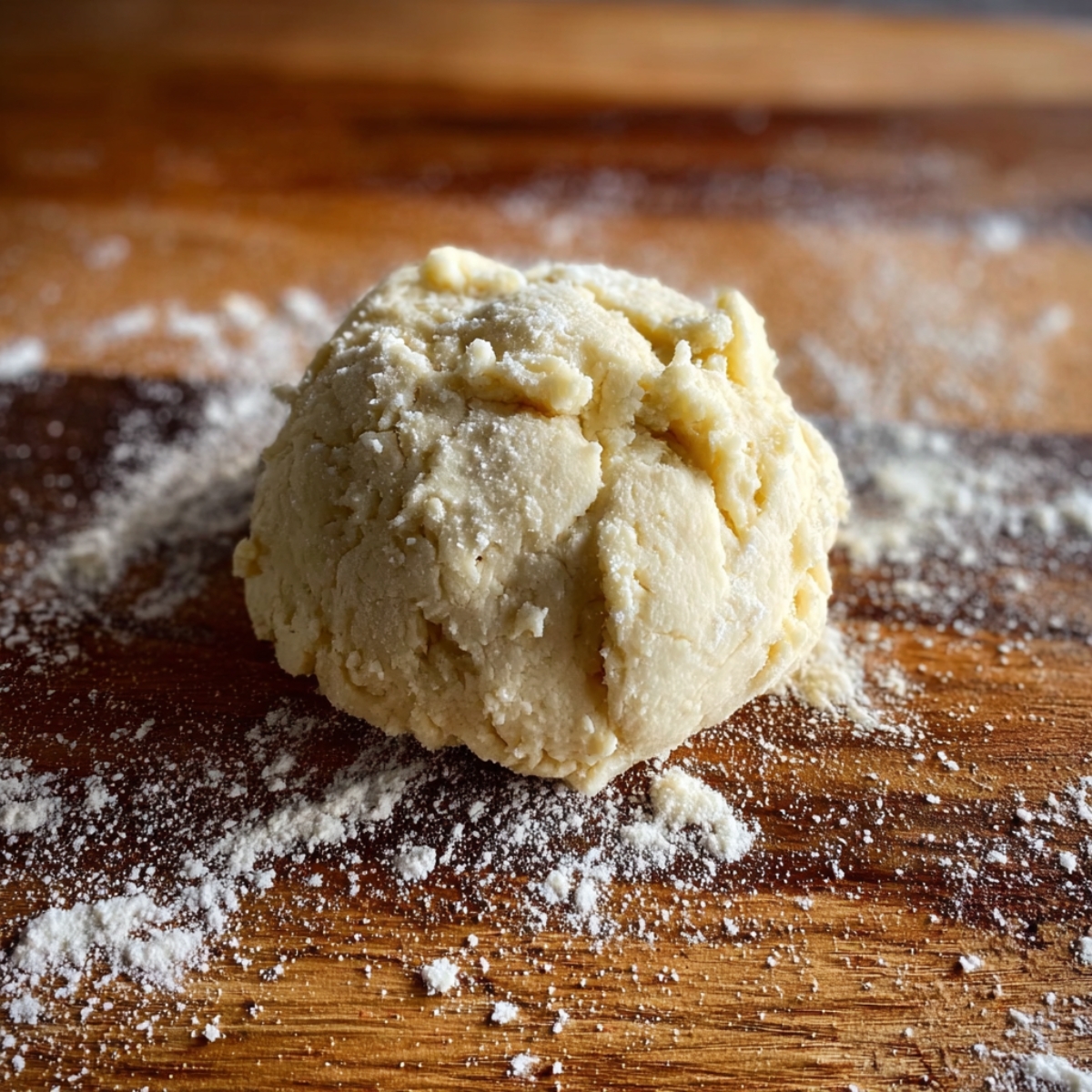
Add flour gradually: Gradually add flour a few tablespoons at a time, mixing until a stiff dough forms. You may not need all the flour, so add it slowly and stop when the dough holds together without being sticky.
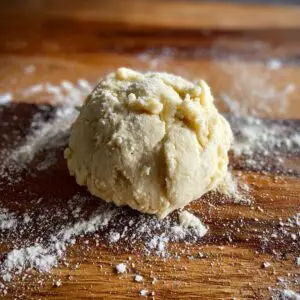
Shape the dough: Turn the dough out onto a floured surface and divide into 3 balls. If the potatoes are still hot, allow them to cool slightly before proceeding so you don't burn your hands.
Form circles: Pat each ball into a flat circle about ¼-inch thick, turning and lightly flouring each side to prevent sticking. Use a small plate to cut the rough edges into a perfect circle, though rustic shapes work just fine too.
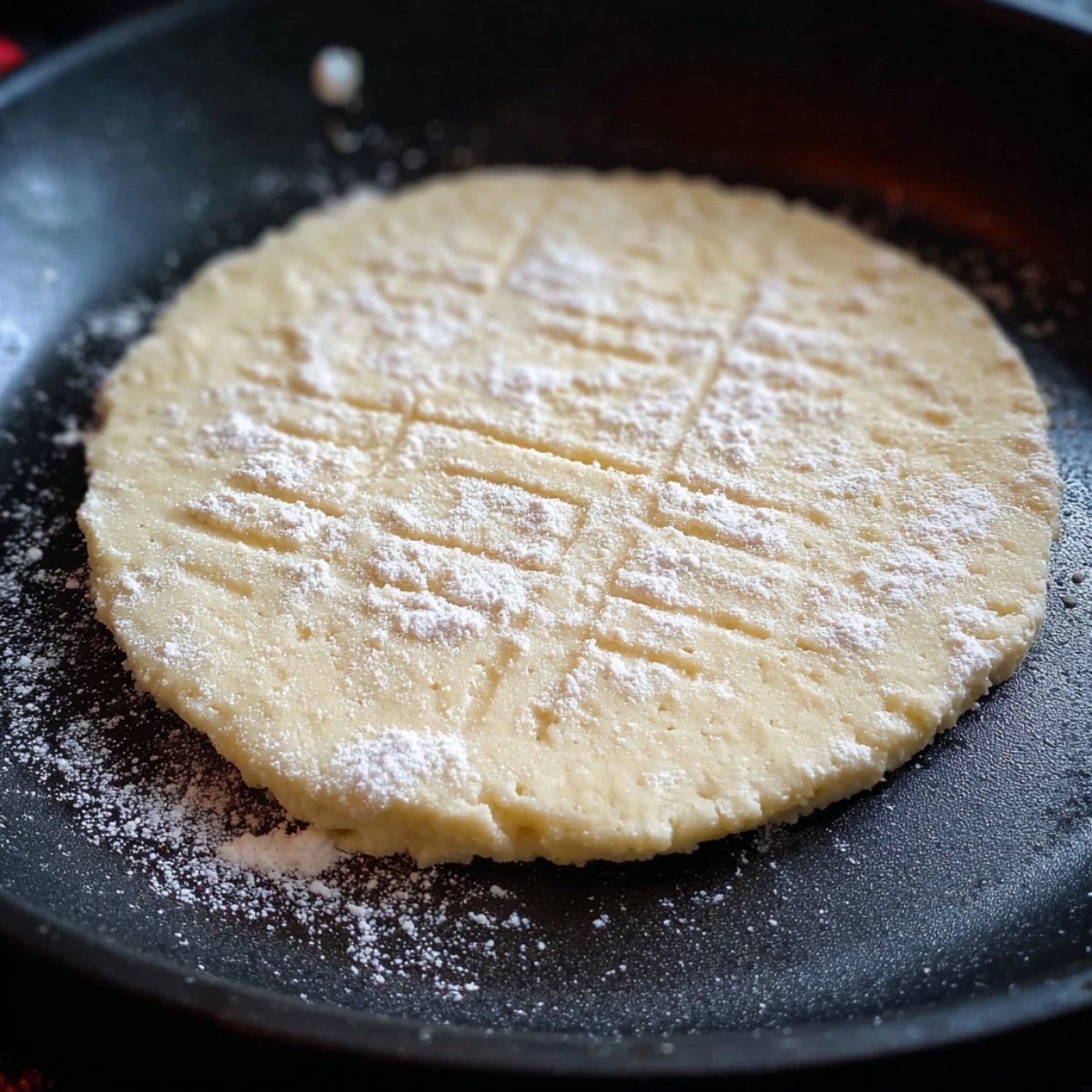
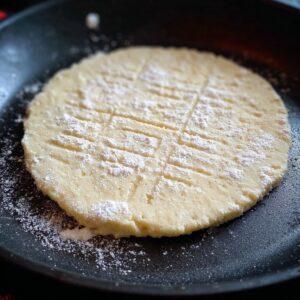
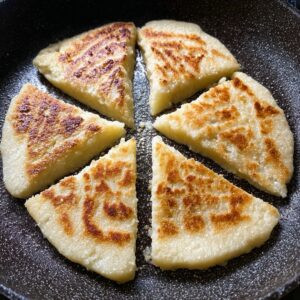
Prick and score: Prick the dough all over with a fork to prevent bubbling while cooking. You can either cut into four wedges or score it without cutting all the way through, which makes it easier to break apart later.
Heat the pan: Heat a large, flat-bottomed pan on the stove until hot, then reduce to medium-low heat. Do not grease the pan. If the dough is lightly dusted with flour, it won't stick, and you'll get a better texture without added oil.
Fry the scones: Carefully transfer the scones into the pan using a spatula. Fry on each side for 3 to 4 minutes, adjusting the heat if the scones brown too quickly. Flip more than once as needed until both sides are golden and lightly speckled with brown spots.
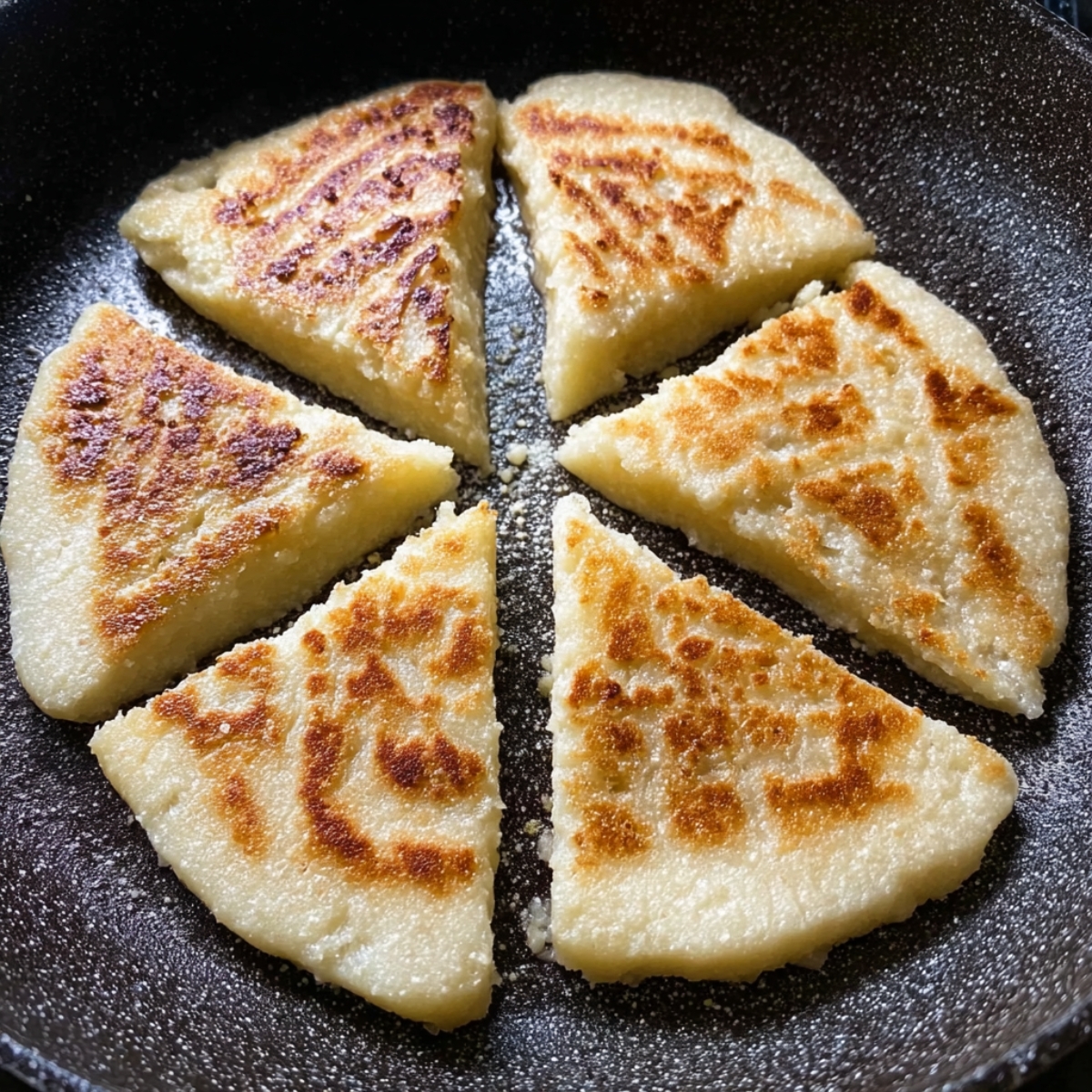
Cool and serve: Once golden, remove the scones from the pan and allow to cool for a minute or two before eating with butter and jam, or return to the pan with a knob of butter to fry again for extra richness and flavor.
Storage: Store scones in an airtight container in the fridge for up to 3 days. They can be fried later straight from cold, or reheated in the toaster until warm and slightly crisp. You can also freeze them for up to 3 months and toast from frozen.
Substitutions and Variations
Flour: If you don't have plain flour, you can use all-purpose flour (which is essentially the same thing). Whole wheat flour works too, though it will make the scones denser and slightly nuttier.
Butter: Swap in margarine or a dairy-free spread if you need to keep these vegan. The texture will be slightly different but still delicious.
Add herbs: Stir in a tablespoon of chopped fresh chives, parsley, or rosemary for a savory twist that's perfect with eggs.
Cheese version: Fold in about 50g of grated cheddar for Scottish tattie scones with cheese. They'll be richer and even more indulgent.
Sweet version: Add a pinch of cinnamon and a teaspoon of sugar to the dough, then serve with honey or maple syrup instead of butter.
Kid-Friendly Changes
Emma loves helping me make these, and here's how I adapt them for little hands:
Let kids mash the potatoes with a handheld masher—they love the squishy feeling. Give them a small ball of dough to shape on their own, even if it's wonky. Use cookie cutters to make fun shapes instead of circles. Serve with a little pot of jam for dipping, which makes them feel like a special treat.
Equipment or Scottish Tattie Scones
You don't need much to make Scottish Tattie Scones, which is part of their charm:
Pot for boiling potatoes: Any medium to large pot will do.
Potato ricer (optional): Makes the fluffiest mash, but a regular masher or even a fork works just fine.
Mixing bowl: For combining everything together.
Spatula or fish slice: To flip the scones without breaking them.
Flat-bottomed frying pan: Cast iron or non-stick both work beautifully. Avoid pans with ridges.
Small plate: For cutting neat circles, though a knife works too.
Fork: For pricking the dough before cooking.
Storage and Reheating
Scottish Tattie Scones keep really well, which makes them perfect for meal prep. Store them in an airtight container in the fridge for up to 3 days. When you're ready to eat them, you can fry them again in a dry pan for a couple of minutes on each side, or pop them in the toaster until heated through and slightly crispy.
For longer storage, freeze them in a single layer on a baking sheet until solid, then transfer to a freezer bag. They'll keep for up to 3 months. You can toast them straight from frozen, no need to thaw first.
If you made a big batch and want to reheat several at once, you can warm them in a 350°F oven for about 10 minutes, though they won't get quite as crispy as they would on the stovetop.
Serving Suggestions
Here are a few of my favorite ways to enjoy these Scottish breakfast scones:
Classic breakfast: Serve them hot with a fried egg, crispy bacon, grilled tomatoes, and baked beans for a proper Scottish fry-up.
Sweet treat: Spread with softened butter and your favorite jam—strawberry and raspberry both work beautifully. The warm scone melts the butter into every bite.
Savory snack: Top with smoked salmon, a dollop of sour cream, and fresh dill for something a bit more elegant.
Comfort food: Fry them in a little extra butter until golden and crispy, then eat them plain while they're still steaming. Sometimes simple is best.
Expert Tips
Use floury potatoes: Waxy potatoes have too much moisture and won't give you the right texture. Stick with varieties like Maris Piper, King Edward, or Russet.
Don't overmix: Once you add the flour, mix just until combined. Overworking the dough will make your potato-based scones tough instead of tender.
Keep the heat moderate: If your pan is too hot, the scones will brown too quickly on the outside while staying raw in the middle. Medium-low is perfect.
Dust with flour, not oil: A light dusting of flour on the dough prevents sticking better than greasing the pan, and you'll get a better texture.
FAQ
What is a Scottish Tattie Scones?
A Scottish Tattie scone is a traditional flatbread made from mashed potatoes, butter, and flour. Despite the name, it's not a sweet baked scone it's more like a savory potato pancake that's cooked on a griddle. They're soft, slightly chewy, and perfect for breakfast. My mom always said they were invented so nothing ever went to waste in the kitchen.
What is the difference between potato bread and Scottish Tattie Scones?
Potato bread usually contains yeast and is baked in the oven, giving it a fluffy, bread-like texture. Tattie scones don't use yeast and are cooked on a griddle or stovetop, so they're denser and have a slightly crispy exterior. Think of tattie scones as a quick flatbread rather than a risen loaf. They're faster to make and have a more rustic, homey feel.
How do you eat Scottish Tattie Scones?
You can eat Scottish Tattie Scones scones in so many ways! Traditionally, they're part of a full Scottish breakfast alongside eggs, bacon, and beans. You can also spread them with butter and jam for a sweet snack, or fry them in butter until crispy and eat them on their own. I love them warm from the pan with just a sprinkle of salt. Emma likes hers with a thin layer of peanut butter, which sounds odd but actually works.
What does Tattie mean in Scottish?
"Scottish Tattie Scones" is simply the Scottish word for potato. It's a casual, affectionate term you'll hear all over Scotland, like how Americans might say "spud." So Scottish Tattie Scones literally means potato scones. It's one of those words that instantly makes a recipe feel more authentic and homey, like you're cooking something straight from a Scottish kitchen.
Related
Looking for other recipes like this? Try these:

Pairing
These are my favorite dishes to serve with Scottish Tattie Scones

Scottish Tattie Scones
Equipment
- 1 Large Flat Pan No greasing needed, use to fry the scones
- 1 Medium to Large Pot For boiling the potatoes
- 1 Potato Ricer Optional, helps achieve the fluffiest mash
- 1 Mixing bowl For combining all ingredients
- 1 Spatula or Fish Slice For flipping the scones without breaking them
Ingredients
- 500 g Potatoes Preferably King Edward or a floury potato for the best texture
- 27 g Butter Use room temperature butter for easier mixing
- 138 g Plain Flour 1.1 cups, plus extra for dusting
Instructions
-
Peel the potatoes, then boil them until soft, or cook them with their skins on and peel them afterward.

- Drain the potatoes and let them air dry for a few minutes.
- Add room-temperature butter to the potatoes and mash until smooth.
-
Gradually add flour, a few tablespoons at a time, until the mixture forms a stiff dough.
- Turn the dough out onto a floured surface and divide it into 3 portions. If the potatoes are still warm, let them cool a bit before proceeding.
-
Take each portion and flatten it into a round shape, dusting with flour to prevent sticking. Once it’s large enough, use a small plate to cut it into a perfect circle.
- Prick each round with a fork, then either slice into four pieces or score them without cutting all the way through. If the dough holds together well, you can fry the scone as one large round.
- Heat a flat pan over medium-low heat. There’s no need to grease the pan, as the flour on the dough will prevent sticking.
-
Place the scone rounds into the pan and fry on each side for 3-4 minutes until golden brown. Flip them if necessary.
- Remove the scones and let them cool before serving. Optionally, serve with butter and jam, or return them to the pan with butter to fry again.
Leave a Reply