
I used to avoid making Eggs Benedict Casserole because standing over a pot of simmering water at 7 a.m., trying to poach eggs one by one while everyone's hungry, felt like punishment. This casserole changes everything. You layer toasted English muffins, Canadian bacon, and a creamy egg custard in a dish the night before, then bake it in the morning while you make coffee. The hollandaise takes two minutes in a blender. My sister tried it at her baby shower and texted me three days later asking for the recipe again because she'd already lost the card I gave her.

If you need more breakfast recipes that don't require you to be fully awake, try this 30-Minute Breakfast Skillet with crispy potatoes, or keep it lighter with Easy Tomato Bruschetta on the side.
Why You'll Love This Eggs Benedict Casserole
You prep it the night before, so there's no morning chaos. It feeds a crowd without any last-minute scrambling. The hollandaise is foolproof (it comes together in a blender, and you can't mess it up). The Eggs Benedict Casserole itself is rich and comforting, with that classic eggs benedict flavor but none of the stress. It's perfect for holiday mornings, brunch gatherings, or any time you want to feel like you're treating everyone to something special.
Jump to:
Eggs Benedict Casserole Ingredients
This overnight Eggs Benedict Casserole uses simple ingredients that layer together beautifully.
See Recipe Card Below This Post For Ingredient Quantities
For the Casserole:
English muffins: These form the bread base and soak up all the custard. Fork-split them for that classic craggy texture.
Canadian bacon: Adds a smoky, salty flavor that balances the richness of the eggs. You can chop it into small pieces or leave it in rounds.
Large eggs: They create the custard that binds everything together and bakes up soft and fluffy.
Cream: Heavy cream or whipping cream makes the custard extra rich and silky. Don't use coffee creamer.
Whole milk: Thins the custard just enough so it soaks through the muffins. Any milk works here.
Kosher salt: Enhances all the flavors without being too salty.
Seasoned salt: Lawry's is my favorite. It adds a little extra savory depth.
Black pepper: A touch of heat that balances the richness.
Onion powder: Gives a subtle savory note without adding raw onion.
Paprika: Adds a hint of color and a gentle warmth.
Dried mustard powder: Brings a slight tang that complements the hollandaise.
Monterey Jack cheese: Optional, but it melts into gooey pockets throughout the casserole.
For the Hollandaise Sauce:
Egg yolks: The base of the sauce. They thicken and emulsify when blended with butter.
Cream: Makes the hollandaise a little more stable and adds richness.
Lemon juice: Brightens the sauce and cuts through the butter.
Dijon mustard: Adds a subtle tang and helps the sauce emulsify.
Cayenne pepper: Just a pinch for a tiny bit of heat.
Kosher salt: Balances the richness.
Butter: Melted and warm. This is what makes hollandaise creamy and luscious.
How To Make Eggs Benedict Casserole
Assemble this the night before, then bake it fresh in the morning.
Prep the dish: Grease a 9×13-inch casserole dish with butter or non-stick spray so nothing sticks.
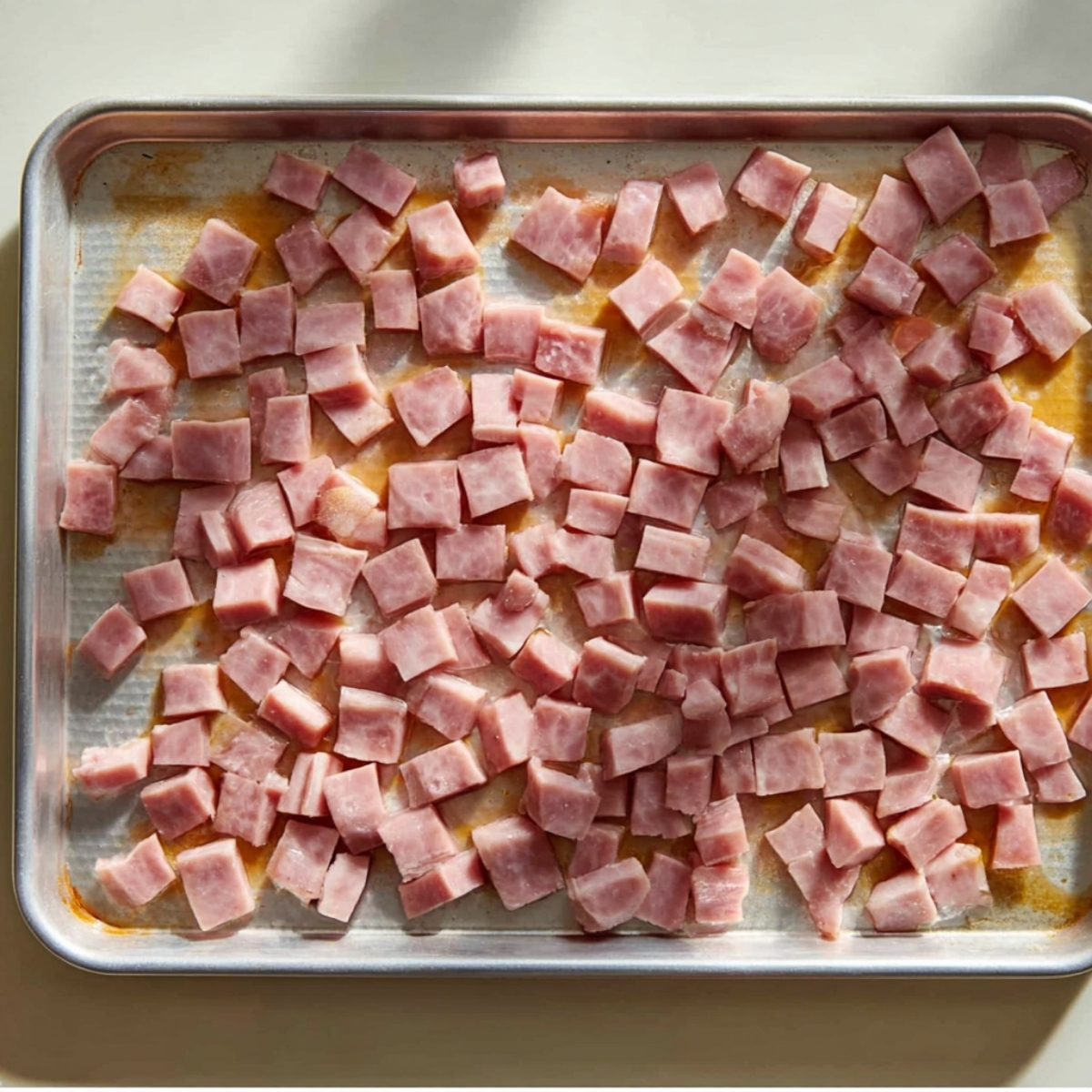
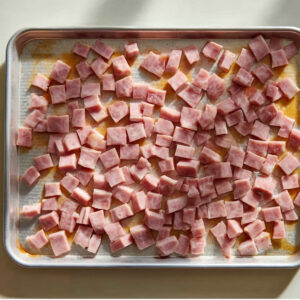
Add the bacon: Chop the Canadian bacon into bite-size pieces and spread half evenly across the bottom of the dish.
Toast the muffins: Split the English muffins with a fork, toast them until golden, spread with butter, then chop into 1-inch pieces. (You can also butter them first, chop them, then broil on a baking sheet for 1–2 minutes per side if you prefer.)
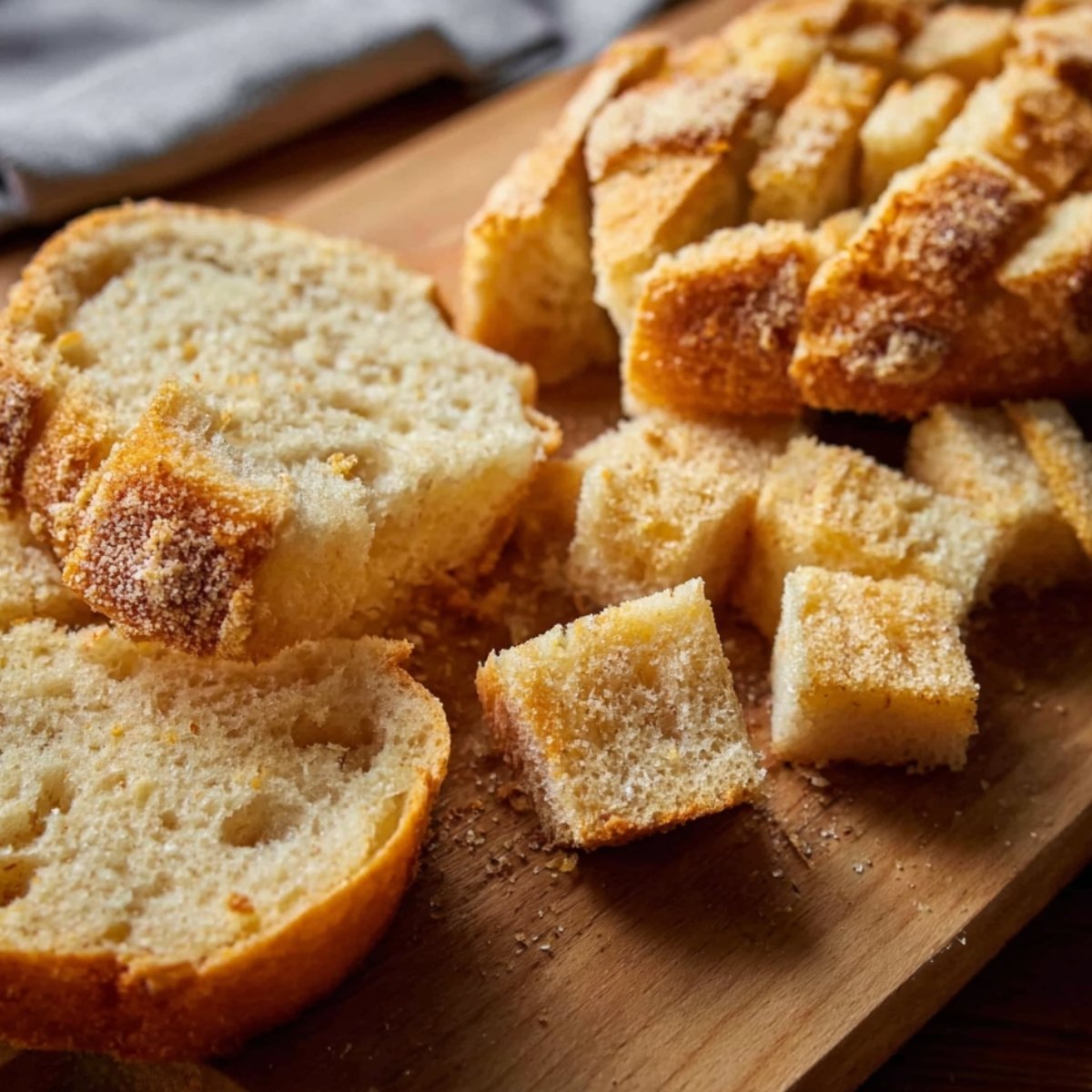
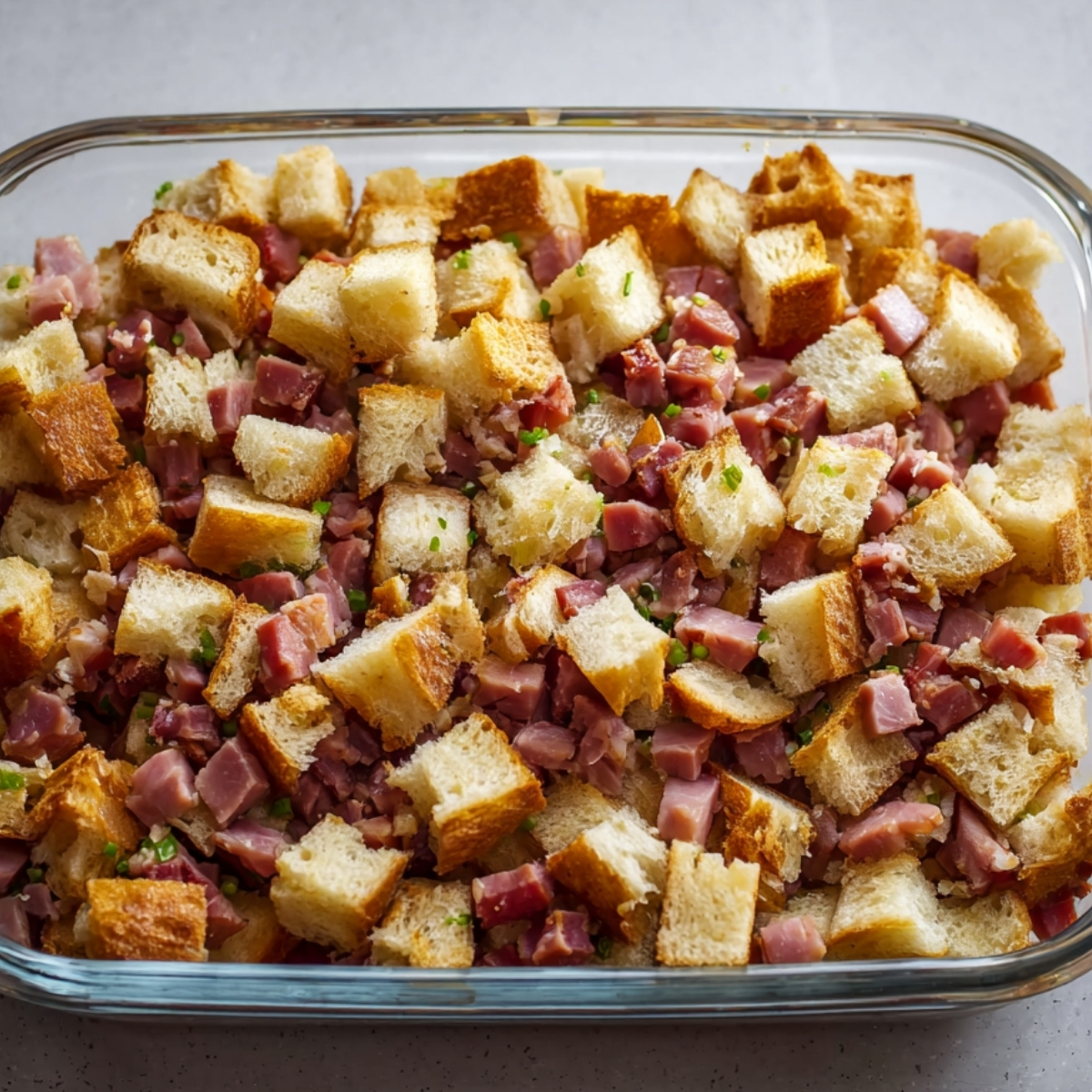
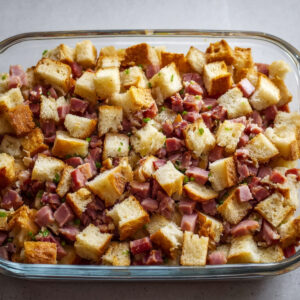
Layer the muffins: Spread half of the toasted muffin pieces over the bacon layer.
Repeat the layers: Add the remaining bacon, then the rest of the muffins on top.
Make the custard: In a large bowl or stand mixer, whisk together the eggs, cream, milk, kosher salt, seasoned salt, black pepper, onion powder, paprika, and mustard powder until smooth and fully combined.
Add the cheese: Sprinkle the shredded Monterey Jack cheese over the casserole if you're using it.
Pour the custard: Pour the egg mixture evenly over the layers, making sure everything gets coated.
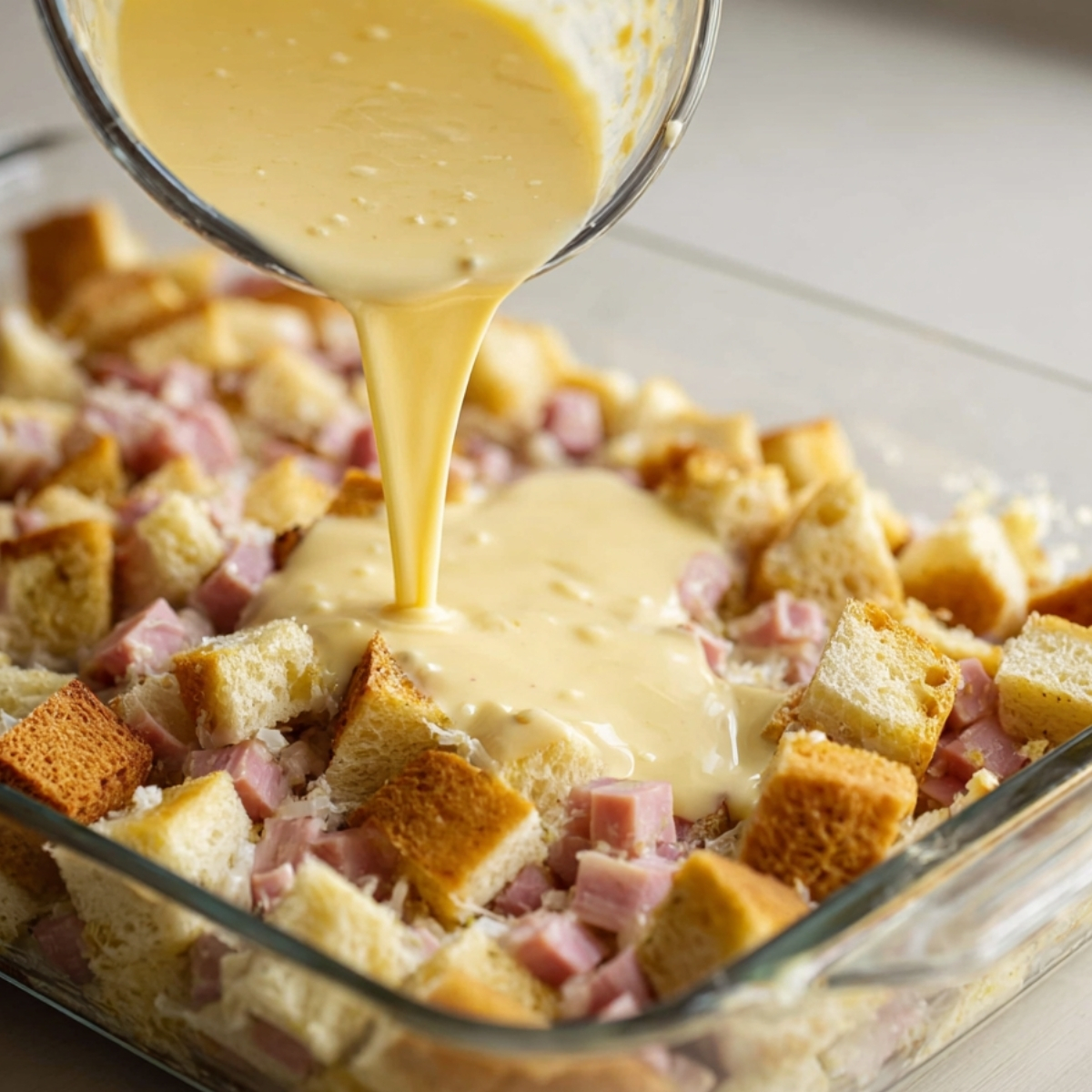
Refrigerate: Cover the dish tightly with foil and refrigerate overnight, or at least 4 hours, so the muffins soak up the custard.
Preheat and bake: Take the casserole out of the fridge while your oven preheats to 375°F. Bake covered for 35 minutes.
Finish baking: Remove the foil and bake another 10–15 minutes, until the center is set but still has a slight jiggle. A knife inserted in the center should come out without wet egg mixture clinging to it.
Make the hollandaise: Add the egg yolks, cream, lemon juice, Dijon mustard, cayenne, and salt to a blender. Blend on high for 30 seconds.
Add the butter: Melt the butter until it's warm but not steaming. With the blender running, slowly drizzle the butter through the lid opening until the sauce is smooth and creamy.
Serve: Spoon hollandaise over individual portions or drizzle it over the whole casserole right before serving.
Substitutions and Variations
Bread swaps: You can use croissants, biscuits, or even sourdough instead of English muffins. Croissants make it extra buttery and rich.
Meat options: Swap Canadian bacon for regular bacon, ham, or cooked sausage. Smoked salmon works beautifully if you want a more traditional eggs benedict flavor.
Dairy-free version: Use oat milk or almond milk in place of regular milk, and coconut cream instead of heavy cream. Skip the cheese or use a dairy-free shredded cheese.
Cheese swaps: Cheddar, Swiss, or Gruyere all work in place of Monterey Jack.
Extra veggies: Add sautéed spinach, diced tomatoes, or roasted red peppers between the layers.
Equipment For Eggs Benedict Casserole
You don't need anything fancy for this. A 9×13-inch Eggs Benedict Casserole dish is the main tool. A mixing bowl or stand mixer makes whisking the custard easier. A whisk helps blend everything smoothly. A blender is the easiest way to make hollandaise, though you can also use a double boiler if you prefer the stovetop method. Foil keeps the casserole covered while it bakes. A baking sheet is optional if you want to toast the muffins in the oven instead of a toaster. And a butter knife works perfectly for testing doneness.
How to Store and Reheat
Store leftover Eggs Benedict Casserole in an airtight container in the fridge for up to 4–5 days. Keep the hollandaise sauce separate in its own container. When you're ready to reheat, warm individual portions of the Eggs Benedict Casserole in the microwave or oven until heated through. For the hollandaise, never microwave it it'll break. Instead, place the container in a bowl of very hot or simmering water and let it warm gently, stirring occasionally.
Expert Tips
Toast the muffins well. They need to be golden and slightly crispy so they don't turn mushy when they soak up the custard.
Let it rest overnight. The casserole tastes best when the muffins have time to absorb the egg mixture. If you're in a rush, 4 hours works, but overnight is better.
Don't overbake. The center should still have a slight jiggle when you pull it out. It'll continue to set as it cools.
Make the hollandaise right before serving. It's best fresh and warm. If you make it ahead, store it in a container and rewarm gently in a water bath.
Serving Suggestions
This Eggs Benedict Casserole is rich and filling on its own, but it pairs beautifully with a few simple sides. Serve it with fresh fruit like berries or sliced melon for a little brightness. A light green salad with a lemon vinaigrette balances the richness. Roasted asparagus or sautéed spinach adds a savory, veggie element. And if you're feeding a crowd, set out mimosas or fresh orange juice to round out the brunch spread.
FAQ
What are common Eggs Benedict Casserole?
The biggest mistake is overcooking the eggs, which makes them rubbery instead of soft and custardy. Another common issue is not letting the casserole rest long enough before baking, so the muffins don't soak up the custard properly. And with hollandaise, adding the butter too fast can cause it to break. Emma once tried to help me make hollandaise and dumped all the butter in at once it turned into a greasy puddle. Slow and steady wins.
How long to cook eggs benedict in the oven?
This Eggs Benedict Casserole bakes at 375°F for about 45–50 minutes total. It's covered for the first 35 minutes, then uncovered for the last 10–15. The center should be set but still slightly jiggly when you take it out. If you're baking a smaller portion, start checking around the 35-minute mark.
How long can you keep egg casserole in the refrigerator before cooking?
You can keep this Eggs Benedict Casserole in the fridge for up to 24 hours before baking. I wouldn't go much longer than that, or the muffins might get too soggy and the texture can turn a little watery. Overnight is perfect.
How long can you keep a casserole in the fridge before baking?
Most egg-based Eggs Benedict Casserole like this one are best when baked within 24 hours of assembling. After that, the texture and freshness start to decline. If you're meal-prepping, make it the night before and bake it the next morning for the best results.
Related
Looking for other recipes like this? Try these:




Pairing
These are my favorite dishes to serve with Eggs Benedict Casserole



Eggs Benedict Casserole
Ingredients
- 7 English muffins split and lightly toasted for structure
- 14 ounces Canadian bacon cut into small, even pieces
- 9 large eggs room temperature for smoother blending
- 1 ½ cups heavy cream any dairy cream, not coffee creamer
- ¾ cup whole milk or preferred milk for richness balance
- 1 ¼ teaspoons kosher salt fine grain preferred
- ¾ teaspoon seasoned salt adds subtle savory depth
- ¾ teaspoon black pepper freshly ground for best flavor
- 1 ¼ teaspoons onion powder for gentle aromatic warmth
- ¾ teaspoon paprika adds color and mild smokiness
- ¾ teaspoon dry mustard powder classic Benedict flavor note
- 1 ¼ cups Monterey Jack cheese freshly shredded, optional topping
For the Hollandaise Sauce
- 5 egg yolks separated carefully, no whites
- ⅔ cup heavy cream warmed slightly, not hot
- 2 ½ tablespoons lemon juice freshly squeezed for brightness
- 1 ¼ teaspoons Dijon mustard smooth style recommended
- ¼ teaspoon cayenne pepper adjust for heat preference
- Pinch kosher salt to balance richness
- 9 tablespoons butter melted and slightly cooled
Instructions
- Prepare a 9×13-inch baking dish by coating it generously with butter or nonstick spray.
-
Scatter half of the chopped Canadian bacon evenly across the bottom of the dish.

-
Split the English muffins using a fork, toast until lightly crisp, butter them, then cut into bite-size chunks.
- Place half of the muffin pieces over the bacon, then repeat with the remaining bacon followed by the rest of the muffins.
- In a large bowl, whisk together the eggs, cream, milk, salts, pepper, onion powder, paprika, and mustard powder until fully combined.
- Sprinkle the shredded cheese evenly across the top if using.
-
Slowly pour the egg mixture over the casserole, making sure all pieces are moistened.
- Cover tightly with foil and refrigerate for at least 4 hours or overnight.
- Remove the dish from the refrigerator while the oven preheats to 375°F, keeping it covered.
-
Bake covered for 35 minutes, then uncover and continue baking until the center is set and lightly golden.
- Add the egg yolks, cream, lemon juice, Dijon, cayenne, and salt to a blender and blend on high until warmed and smooth.
- With the blender running, slowly stream in the melted butter until the sauce thickens and turns glossy.
- Serve the casserole warm with hollandaise drizzled over individual portions or across the entire dish.





Leave a Reply