
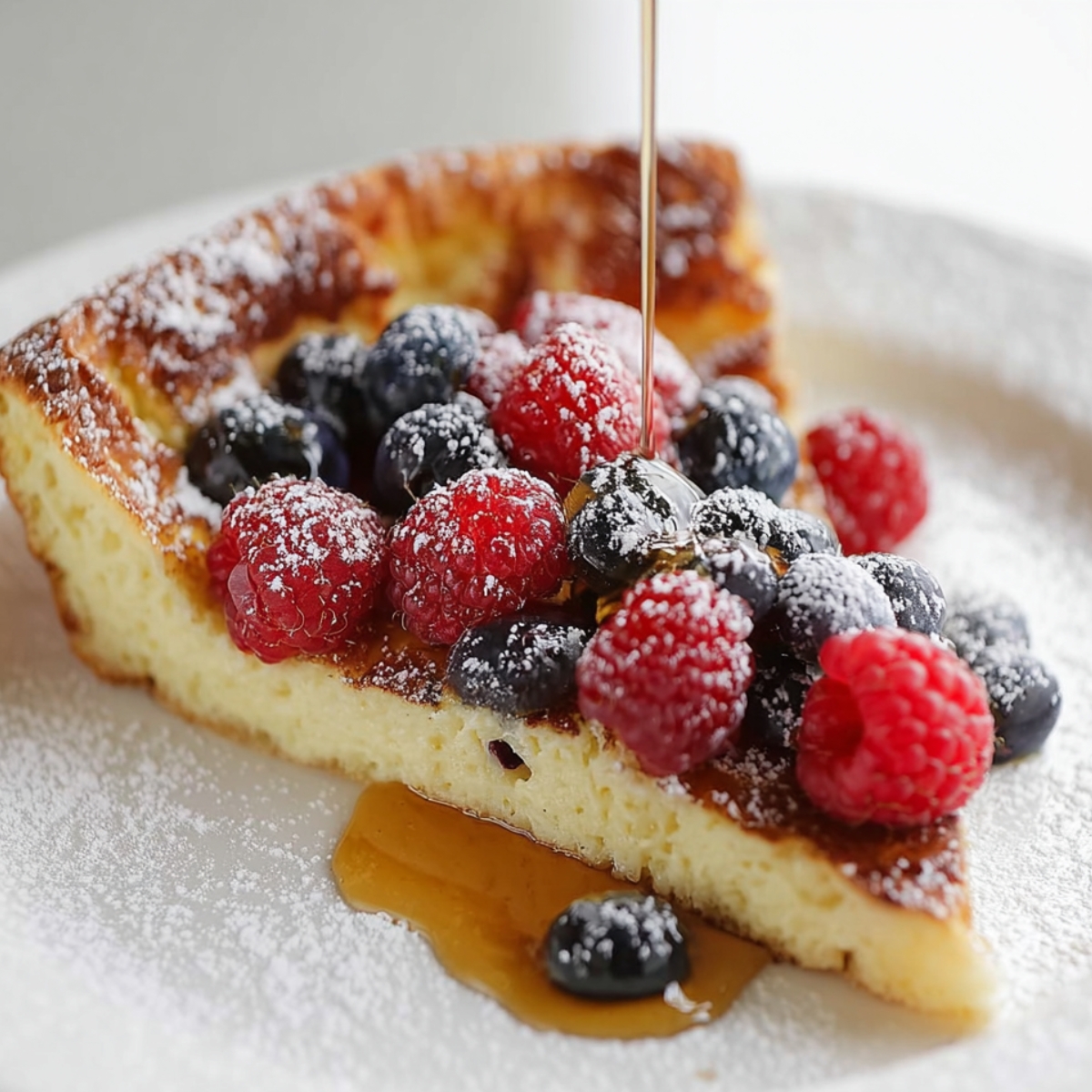
You know that moment when you open the oven and your kids actually stop what they're doing to come look? That's what happens every time I make a Dutch Baby pancake. The edges puff up crispy and golden while the center stays soft and custardy, kind of like a popover but flatter. I started making these on Sunday mornings when I got tired of standing at the stove flipping regular pancakes, and now my family asks for it almost every weekend. The whole thing takes about 30 minutes from start to finish, and most of that time you're just waiting while it bakes.
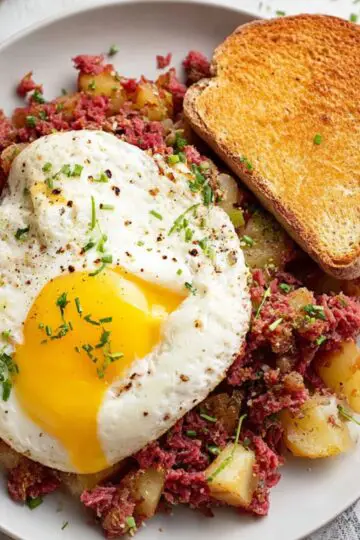
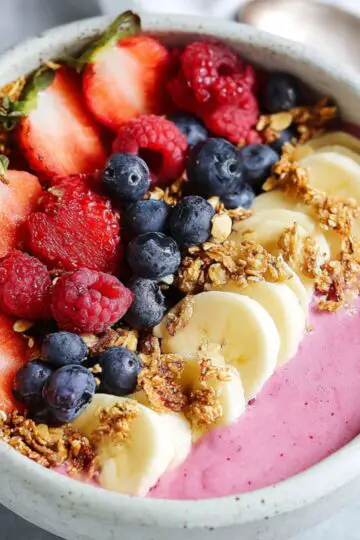
I love pairing it with simple breakfast recipes like a Healthy Raspberry Smoothie Bowl or serving it next to something hearty like Easy Corned Beef Hash or Raspberry Smoothie Bowl when we have people over.
Why You'll Love This Dutch Baby Pancake
This easy Dutch Baby pancake delivers bakery-style results without any fancy technique. The batter is simple, the baking is foolproof, and that first moment when you pull it from the oven and watch it deflate slightly is pure kitchen magic. It's impressive enough for guests but easy enough for a regular Tuesday.
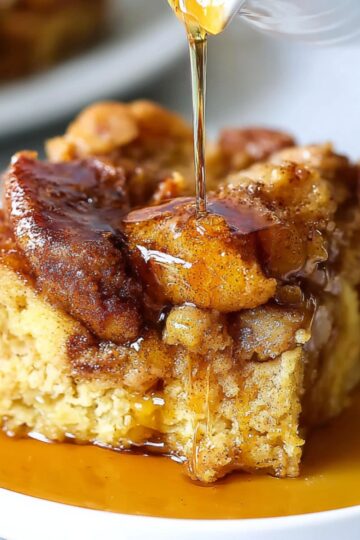
Emma stood on her stool next to me, eyes wide as I opened the oven door. "Mom, it's like a giant balloon!" she squealed, watching the puffy pancake rise up the sides of the skillet. I'd preheated the pan a little too long and forgot to check the butter, so when I pulled it out, the edges were a shade darker than golden, more like toasted caramel. "Is it burnt?" she asked, poking it with her finger the second it cooled. I sliced us each a piece, drizzled on some maple syrup, and watched her take a bite. Her face lit up. "It's crunchy and soft at the same time," she said, syrup dripping down her chin.
Jump to:
Dutch Baby Pancake Ingredients
Here's what goes into this simple Dutch Baby Pancake recipe.
See Recipe Card Below This Post For Ingredient Quantities
Eggs: Large eggs create the structure and help the batter puff up dramatically in the oven. Room temperature eggs blend more smoothly.
Whole milk: Adds richness and helps create that custardy center. The fat content matters here, so don't swap for skim.
All-purpose flour: Forms the base of the batter and gives the pancake its light, airy texture. Measure carefully for the best rise.
Sugar: Just enough sweetness to balance the eggs without making it taste like dessert. You'll add more sweetness with toppings.
Salt: Balances all the flavors and keeps the pancake from tasting flat.
Vanilla extract: Adds a warm, subtle flavor that makes the whole kitchen smell amazing while it bakes.
Butter: Browns in the hot skillet and creates those golden, crispy edges everyone fights over. Salted or unsalted both work fine.
How to Make a Dutch Baby Pancake
Follow these steps for a perfect Dutch Baby Pancake every time.
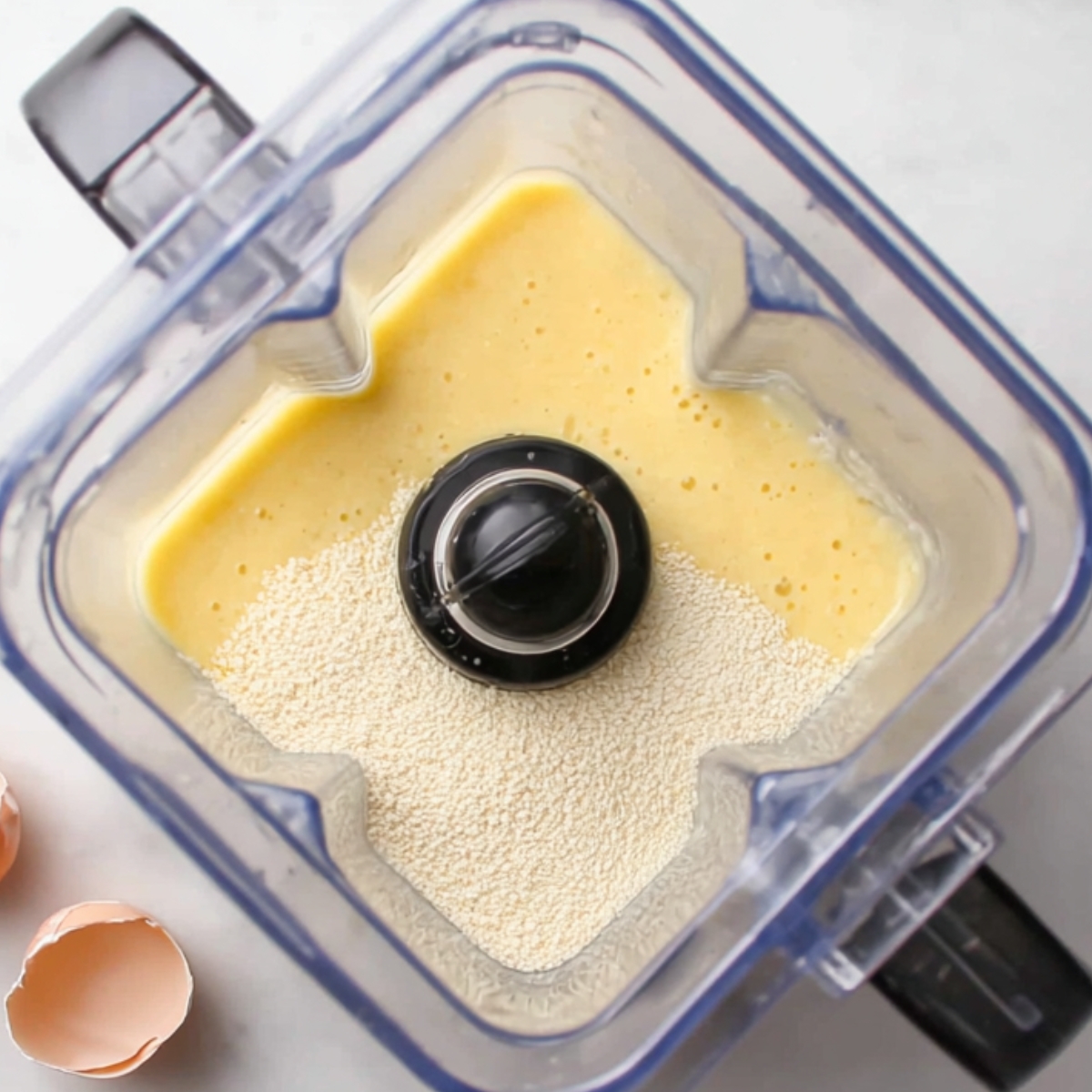
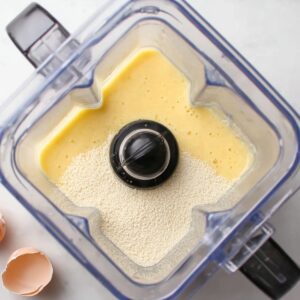
Blend the batter: Add the eggs, milk, flour, sugar, salt, and vanilla to your blender. Blend on high for about 30 seconds until completely smooth with no lumps. Let it sit on the counter while your oven heats up, which helps it come to room temperature.
Heat the skillet: Put your 10-inch cast iron skillet in the oven and set it to 425ºF. Once it reaches temperature, let the skillet heat for another 10 minutes. This step is crucial for getting that dramatic puff.
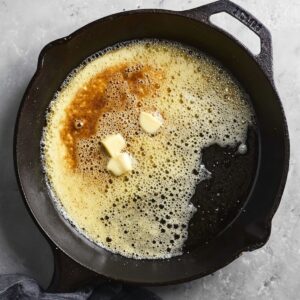
Brown the butter: Carefully pull the hot skillet out with oven mitts. Drop in the butter and swirl it around until it melts completely. Put the skillet back in the oven for 30 to 60 seconds, watching closely so the butter browns but doesn't burn. You'll see it turn golden and smell nutty.
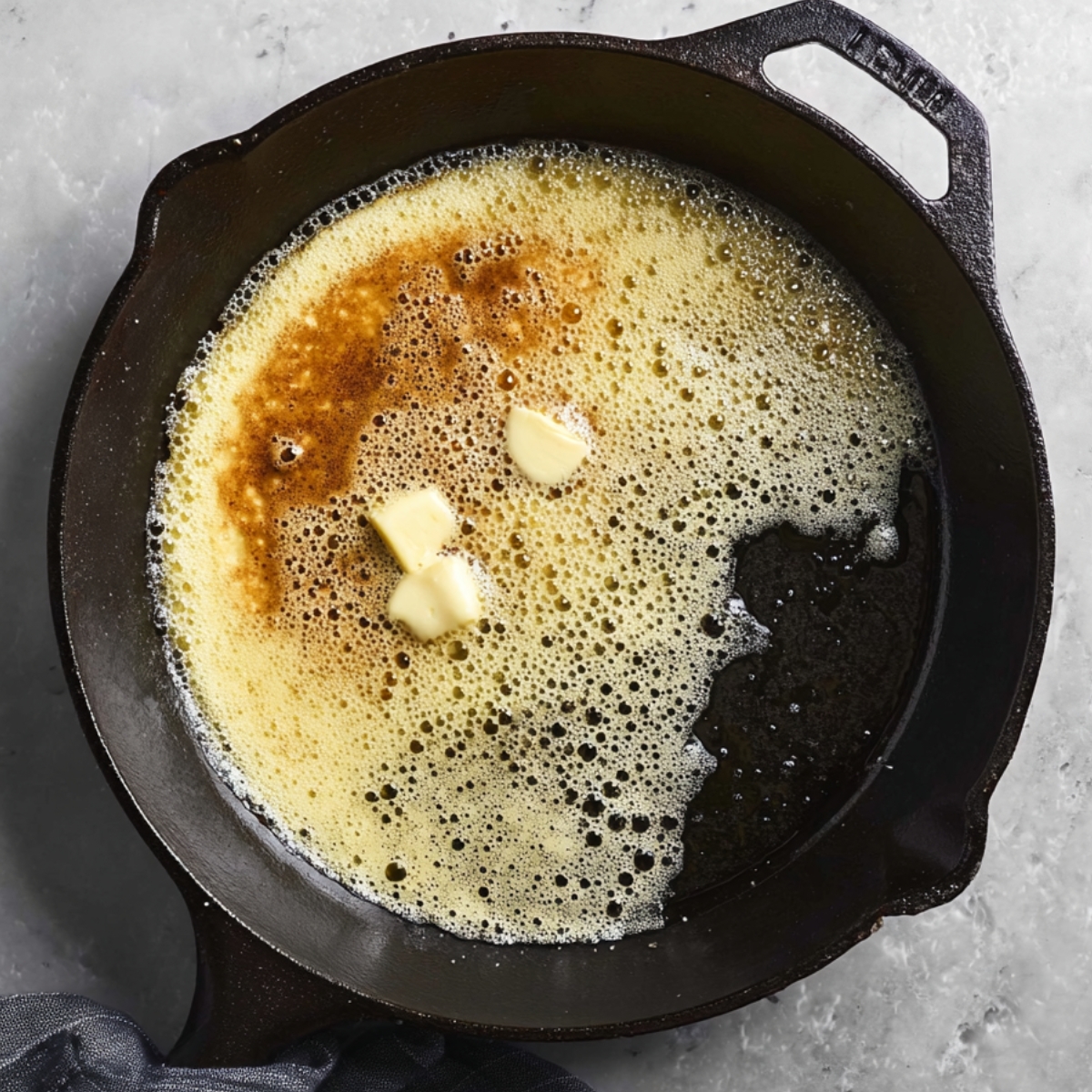
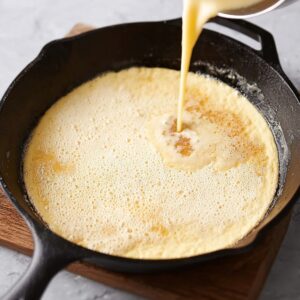
Add the batter: Take the skillet out again and swirl the browned butter up the sides. Pour the batter right into the center of the hot pan. It should sizzle a little.
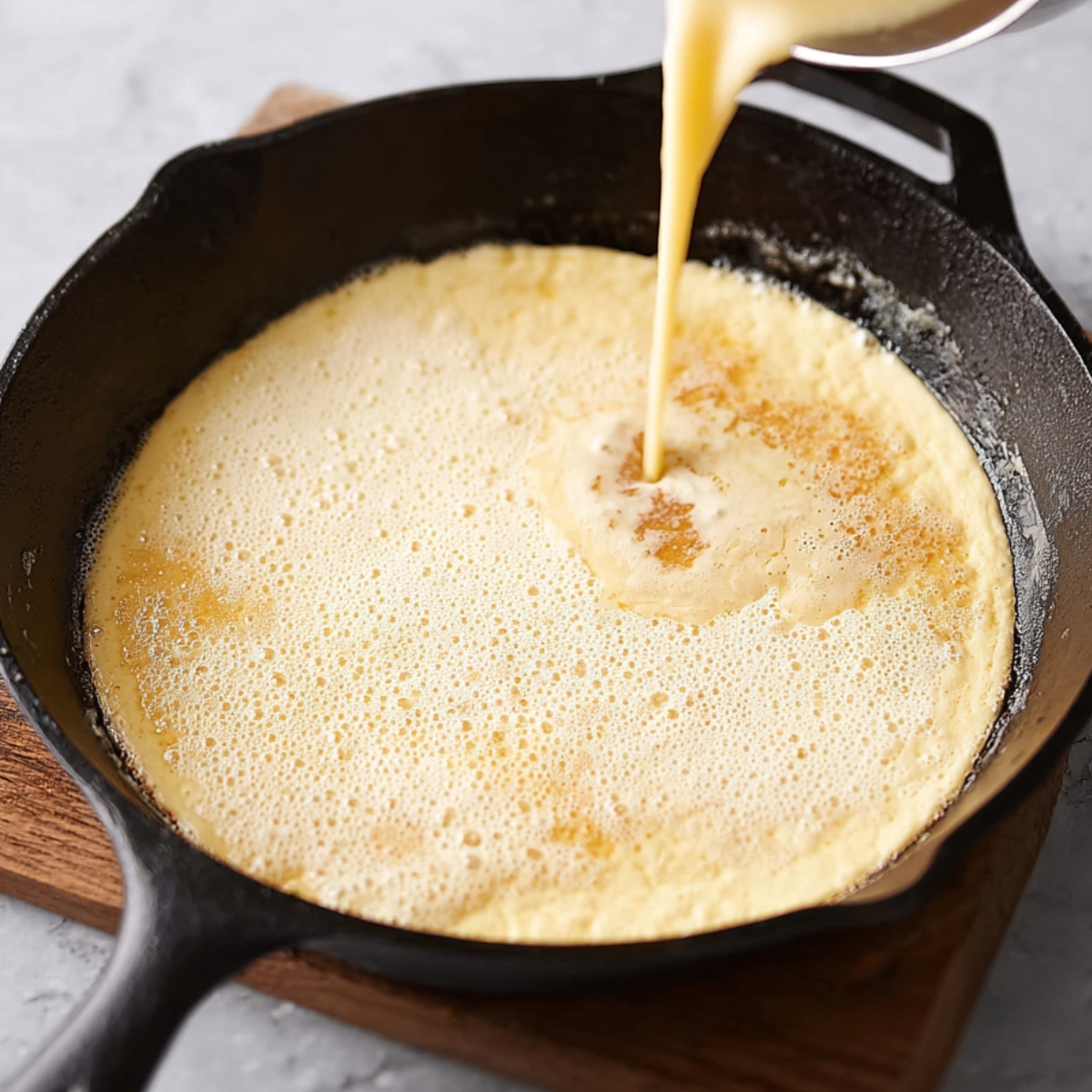
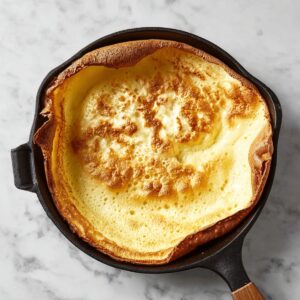
Bake until puffed: Slide the skillet back into the oven and bake for 14 to 15 minutes. The Dutch Baby pancake will puff up along the edges and in the center, turning golden brown. Don't open the oven door early or it might deflate.
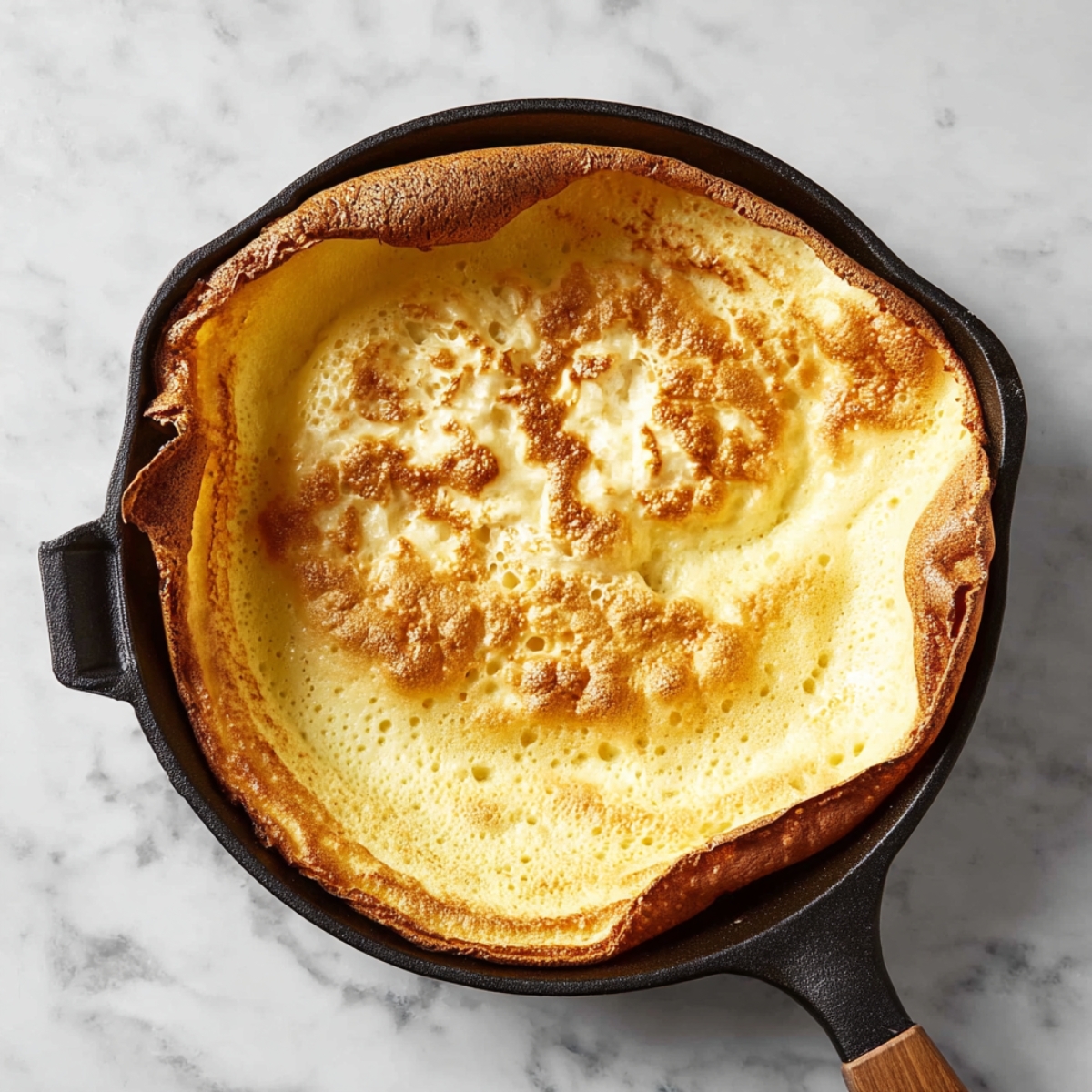
Slice and serve: Let it cool for just a minute, then cut it into 4 or 6 wedges. Serve warm with maple syrup, fresh berries, powdered sugar, or whatever toppings you love.
Pro Tips for the Perfect Dutch Baby Pancake
Preheat properly: That extra 10 minutes of heating the empty skillet makes all the difference. A blazing hot pan creates the steam that makes the pancake puff.
Room temperature matters: Let your batter sit out while the oven heats. Cold batter in a hot pan can seize up and won't rise as dramatically.
Watch the butter: Brown butter adds incredible flavor, but it can go from golden to burnt in seconds. Stay close during those last 30 to 60 seconds.
Don't open the oven: Resist the urge to peek. Opening the door releases heat and can cause your pancake with crispy edges to fall flat before it's done.
Serve immediately: The Dutch Baby will deflate slightly as it cools, which is completely normal. It still tastes amazing, but it's most impressive right out of the oven.
Substitutions and Variations
Dairy-free option: Swap whole milk for oat milk or almond milk. Use vegan butter or coconut oil instead of regular butter.
Gluten-free version: Replace all-purpose flour with a 1-to-1 gluten-free baking blend. The texture will be slightly different but still delicious.
Add fruit: Toss in a handful of blueberries or sliced apples after pouring the batter for a blueberry Dutch baby or apple Dutch baby variation.
Savory twist: Skip the sugar and vanilla. Add herbs, cheese, and sautéed vegetables for a dutch baby pancake savory version that works for lunch or dinner.
Different sizes: You can use a 12-inch skillet for a thinner pancake or make individual servings in muffin tins, adjusting the baking time down to about 10 minutes.
Equipment For Dutch Baby Pancake
10-inch cast iron skillet: This is the traditional pan for making a Dutch Baby with syrup. The heavy metal holds heat beautifully and creates those crispy edges. If you don't have cast iron, an oven-safe skillet works too.
Blender: Makes mixing the batter effortless and ensures no lumps. A whisk works in a pinch, but you'll need to work harder to get it completely smooth.
Oven mitts: Essential for safely handling the hot skillet multiple times during this recipe. Don't skip this, the pan gets extremely hot.
Storage and Reheating
Refrigerator: Store leftover slices in an airtight container for up to 2 days. The texture won't be quite as crispy when reheated, but it still tastes good.
Freezer: Wrap individual slices in plastic wrap, then place in a freezer bag for up to 2 months. Thaw in the fridge overnight before reheating.
Reheating: Warm slices in a 350ºF oven for 5 to 7 minutes to crisp up the edges again. The microwave works in a pinch but makes the pancake a bit soggy.
Best fresh: This classic Dutch Baby really shines when served straight from the oven. If you're making it for a crowd, plan to serve it immediately after baking.
Expert Tips
Classic toppings: Dust with powdered sugar and serve with fresh berries and maple syrup. Lemon wedges on the side add a nice bright note.
Fruit compote: Warm some mixed berries with a little sugar until they break down into a jammy sauce. Spoon it over each slice with a dollop of whipped cream.
Breakfast spread: Serve alongside crispy bacon, scrambled eggs, and fresh fruit for a complete brunch pancake idea that feeds a crowd.
Dessert style: Top with Nutella, sliced bananas, and chopped nuts for an indulgent treat that works for breakfast or dessert.
FAQ
What are Dutch baby pancakes?
A Dutch baby pancake is a large, oven-baked egg-based pancake recipe that puffs up dramatically while baking and has crispy edges with a soft, custardy center. It's made from a simple batter of eggs, milk, flour, and butter, similar to a popover or Yorkshire pudding. Despite the name, it's actually an American creation from the early 1900s, not Dutch at all.
What are the mini Dutch pancakes called?
Mini Dutch baby pancake are usually called poffertjes, which are traditional Dutch treats made in a special pan with small, round indentations. They're different from a Dutch Baby because they're made with yeast and cooked on the stovetop, not baked in the oven. Poffertjes are fluffy, bite-sized, and typically served with powdered sugar and butter.
What does a Dutch baby taste like?
A Dutch baby pancake like a cross between a crepe, a popover, and a pancake. The crispy edges have a slightly caramelized, buttery flavor, while the center is soft, eggy, and custard-like. It's not as sweet as traditional pancakes, so toppings like maple syrup, fruit, or powdered sugar really shine. The browned butter adds a rich, nutty depth that makes it feel special.
What's the difference between a Dutch baby and a German pancake?
There's actually no difference. A Dutch baby pancake and a German pancake are the same thing, just different names for the same recipe. The dish was popularized in Seattle in the early 1900s at a restaurant called Manca's Cafe, where the owner's daughter mispronounced "Deutsch" (German) as "Dutch," and the name stuck. Both terms refer to the same light and airy pancake baked in a cast iron skillet.
Related
Looking for other recipes like this? Try these:

Pairing
These are my favorite dishes to serve with Dutch Baby Pancake
Dutch Baby Pancake
Ingredients
- 3 large eggs large eggs are preferred for fluffiness
- ⅔ cup whole milk adds moisture and smooth texture
- ⅔ cup all-purpose flour gives structure to the pancake
- 2 tablespoon sugar adds sweetness
- ¼ teaspoon salt enhances flavor
- ½ teaspoon vanilla extract for flavor depth
- 2 tablespoon butter helps create a golden brown crust
Instructions
- Preheat the oven to 425ºF and place a 10-inch cast iron skillet inside to warm up.
-
In a blender, combine the eggs, milk, flour, sugar, salt, and vanilla extract. Blend until smooth and free of lumps. Let the batter rest at room temperature.

-
Carefully remove the hot skillet from the oven, add the butter, and swirl it around to coat the bottom and sides of the skillet. Return the skillet to the oven for 30-60 seconds, allowing the butter to brown (but not burn).
-
Take the skillet out of the oven again and evenly swirl the melted butter across the skillet. Quickly pour the prepared batter into the skillet.
-
Return the skillet to the oven and bake for 14-15 minutes, or until the Dutch Baby is golden brown, with puffed edges and a slightly risen center.
- Remove from the oven, slice into 4-6 pieces, and serve with maple syrup and fresh berries, if desired.
Leave a Reply