
I grabbed one of these from a bakery counter in Brooklyn on a rainy Tuesday, mostly because it was the size of my palm and I was starving. One bite in, I realized I'd been missing out my whole life. These oversized Black and White Cookies are soft as cake, sweet as frosting, and covered in that glossy half-vanilla, half-chocolate icing that settles the age-old debate by just giving you both. They're easier to make than they look, and honestly, homemade ones beat the bakery version every time.
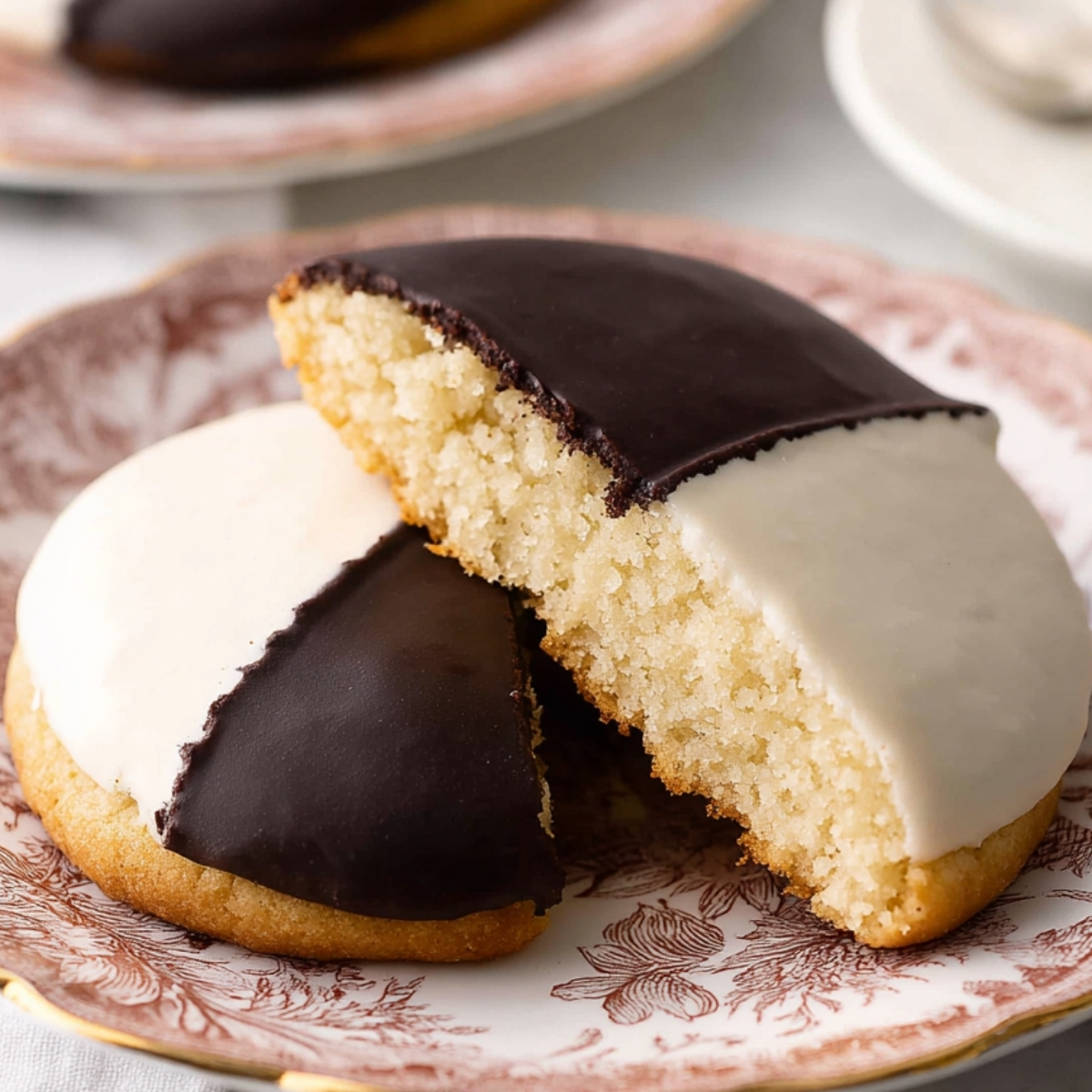
If you're in the mood for something that feels like a treat but doesn't require pastry school, these are it. They go perfectly with coffee, just like my (Brown Sugar Peach Cake Recipe | Easy & Moist), or alongside a simple (Jello Fruit Salad Recipe | Easy 10-Ingredient Classic) or (Pineapple Upside Down Cake Recipe | Old Fashioned & Easy) for a full retro dessert spread.
Why You'll Love These Black And White Cookies
You're going to love how simple these cookies are to make, especially if you've got a stand mixer. The batter comes together quickly, and while the icing requires a little patience, it's not complicated. These cookies taste just like the ones you'd find at a New York bakery, with that signature soft texture and shiny icing.
They're also great for gatherings because they look impressive but don't require any fancy decorating skills. Just a clean line down the middle, and you're done. Plus, they keep well for a few days, so you can make them ahead.
The buttermilk adds a slight tang that keeps the sweetness in check, and the Dutch-process cocoa powder gives the chocolate icing that deep, dark color you want. These aren't your average cookies. They're nostalgic, comforting, and just a little bit fancy.
Jump to:
Black And White Cookies Ingredients
Here's what makes these Black And White Cookies so soft and delicious.
See Recipe Card Below This Post For Ingredient Quantities
For the Cookies:
All-purpose flour: Forms the structure and keeps the cookies tender with a cake-like crumb.
Baking soda: Helps the cookies rise just enough without puffing up too much.
Salt: Balances the sweetness and enhances all the other flavors.
Unsalted butter: Adds richness and moisture. Make sure it's at room temperature so it creams properly.
Granulated sugar: Sweetens the cookies and helps create that light, fluffy texture when creamed with butter.
Egg: Binds everything together and adds structure. Room temperature is best for even mixing.
Vanilla extract: Adds warmth and depth to the cookie base.
Buttermilk: Gives the cookies a slight tang and keeps them incredibly soft. It also reacts with the baking soda for a tender crumb.
For the Icing:
Confectioners' sugar: Creates a smooth, glossy icing that sets nicely without being too hard.
Fresh lemon juice: Adds a subtle brightness that cuts through the sweetness. You can skip it if you prefer.
Water: Thins the icing to the right consistency. Add a little at a time until it's spreadable but not runny.
Light corn syrup: Gives the icing that signature shine and keeps it from drying out too much.
Vanilla extract: Flavors the white icing beautifully.
Dutch-process cocoa powder: Provides that dark, rich chocolate color and smooth flavor. Regular cocoa won't give you the same look.
How to Make Black and White Cookies
These Black And White Cookies come together in just a few easy steps, and the icing technique is simpler than it looks.
Preheat and prep: Set your oven to 350°F and line two baking sheets with parchment paper or silicone mats. This keeps the cookies from sticking and makes cleanup easier.
Mix dry ingredients: In a medium bowl, whisk together the flour, salt, and baking soda until evenly combined. Set this aside.
Cream butter and sugar: In the bowl of a stand mixer fitted with the paddle attachment, beat the room-temperature butter until smooth. Add the sugar and mix on high speed for about 2 to 3 minutes, until the mixture is light and fluffy. This step is important for creating that soft, airy texture.
Add egg and vanilla: Mix in the egg and vanilla extract, scraping down the sides of the bowl to make sure everything is fully combined.
Alternate wet and dry: Add the flour mixture and buttermilk in three batches, starting and ending with the flour. Mix on low speed until just combined after each addition. Scrape down the bowl one last time to incorporate any stray bits of flour or butter.
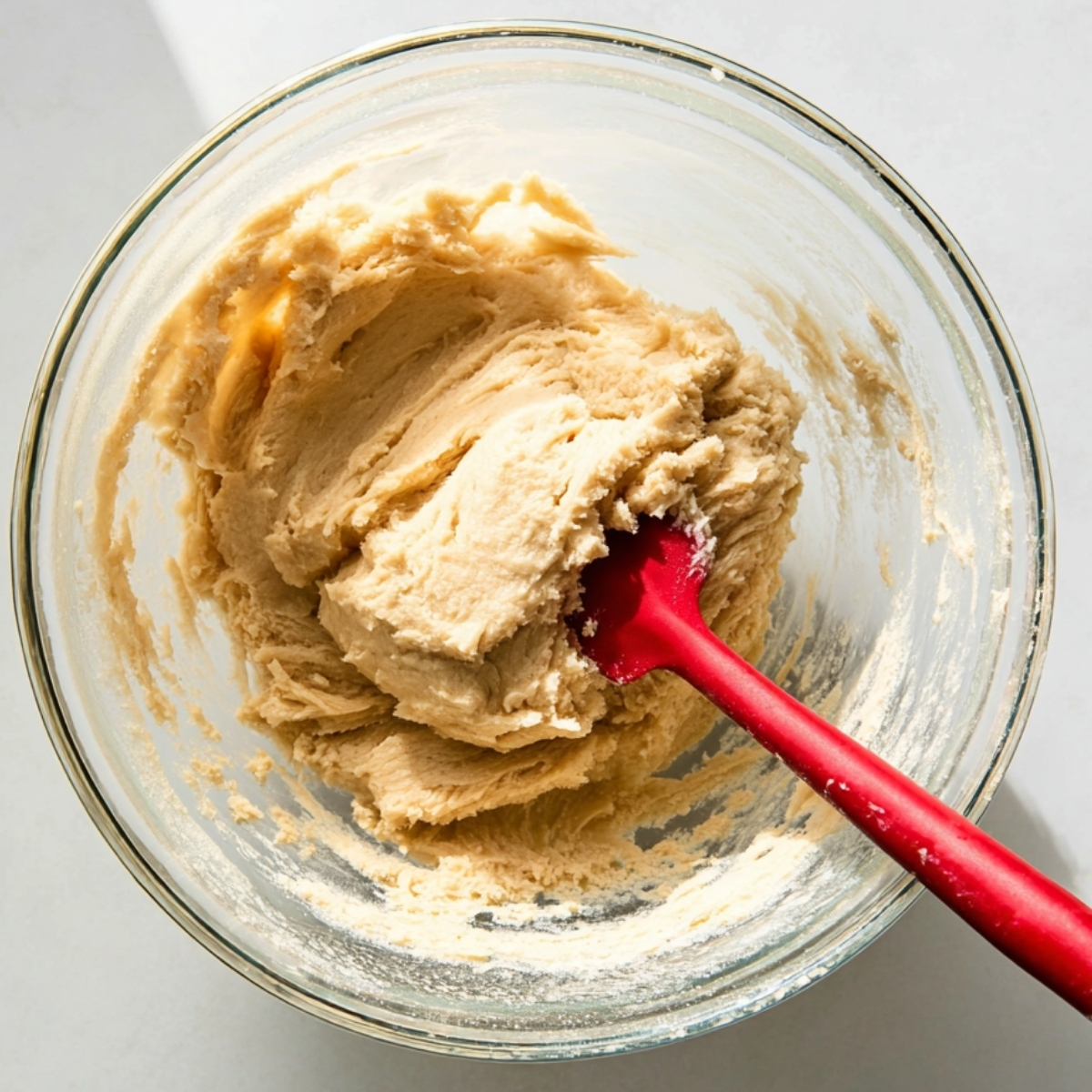
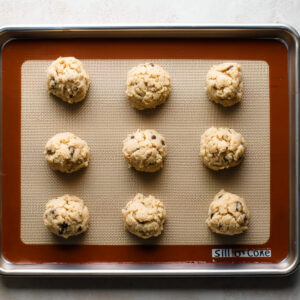
Scoop the batter: Use a ¼-cup cookie scoop or a greased measuring cup to portion the batter onto the prepared baking sheets. Leave about 4 inches between each cookie because they spread quite a bit. Only bake 5 cookies per sheet to give them plenty of room.
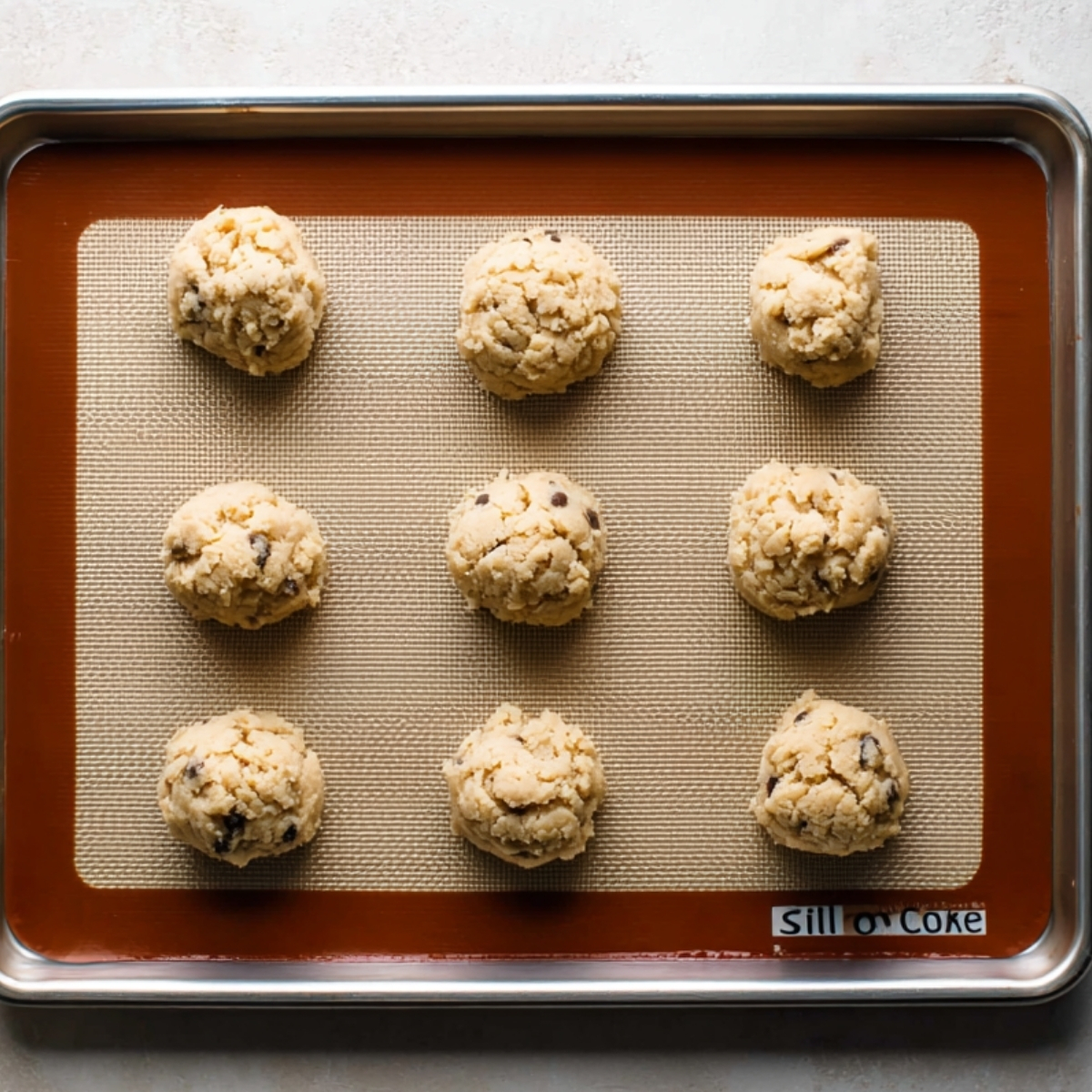
Bake: Place the baking sheet on the center rack and bake for 13 to 14 minutes, or until the centers spring back when you gently press them. They should look set but still soft.
Cool completely: Let the cookies cool on the baking sheet for a few minutes, then transfer them to a wire rack. Flip them upside down so the flat bottom becomes the icing surface. Make sure they're completely cool before you start icing, or the icing will melt and slide off.
Make the vanilla icing: In a large bowl, whisk together the confectioners' sugar, vanilla extract, lemon juice, corn syrup, and water until smooth. The consistency should be thin enough to spread easily but thick enough to stay put. Add more water a teaspoon at a time if needed.
Make the chocolate icing: Transfer slightly less than half of the vanilla icing to a separate bowl. Add the Dutch-process cocoa powder, a few teaspoons of water, and 1 teaspoon of corn syrup. Stir until the icing is glossy and smooth, adjusting the consistency to match the vanilla icing.
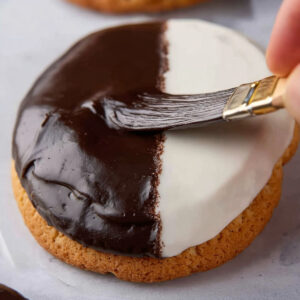
Ice the vanilla half: Use a small offset spatula or butter knife to spread vanilla icing over half of each cookie, starting from the center and working outward. Use the edge of the spatula to create a clean, straight line down the middle. Let the icing set for a few minutes.
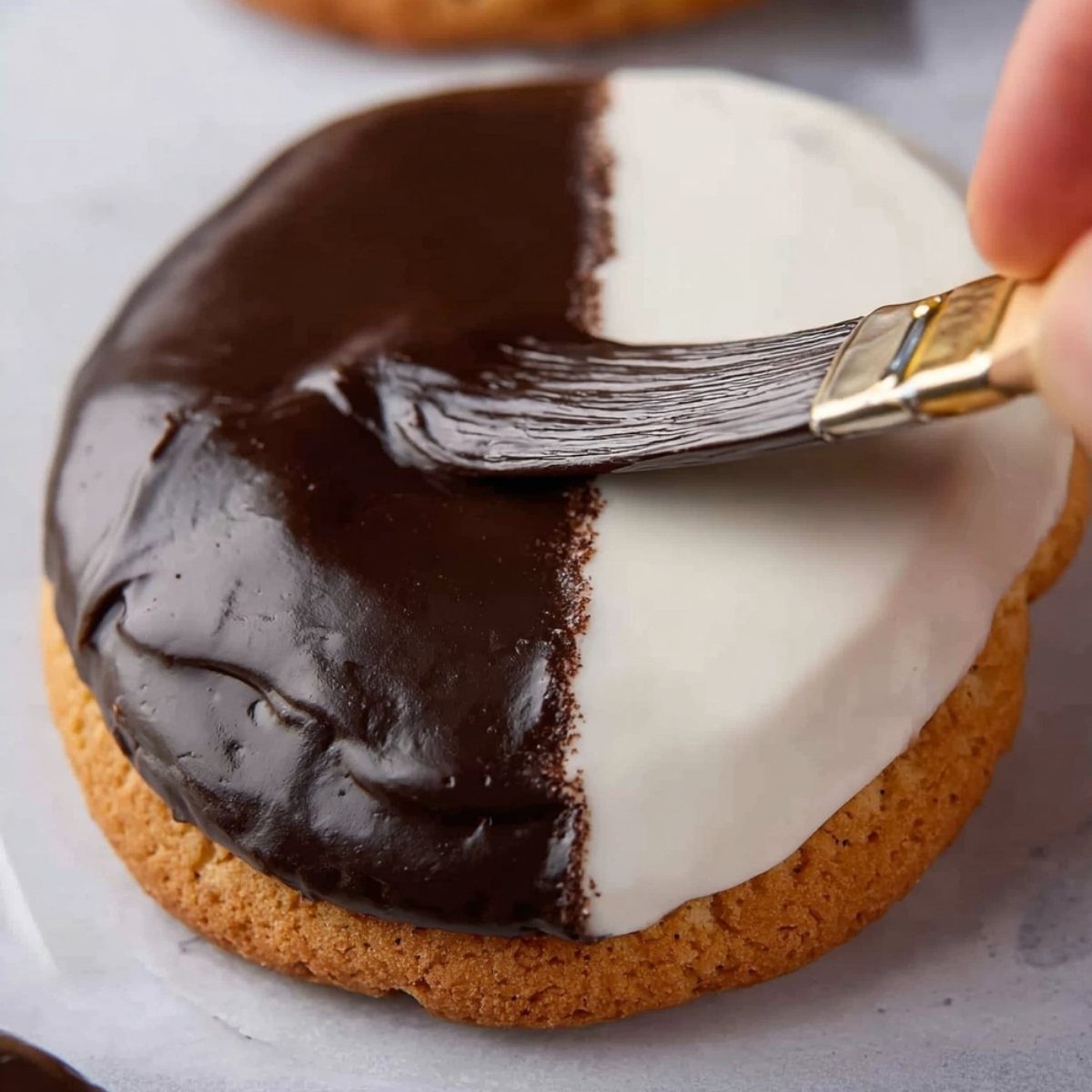
Ice the chocolate half: Spread the chocolate icing over the other half of each cookie, smoothing it right up to the center line. Let the cookies sit at room temperature until the icing is fully set, about 1 hour. If you're in a hurry, you can refrigerate them for 20 to 25 minutes.
Black And White Cookies Equipment
Here's what makes this Black And White Cookies easier.
Baking sheets: You'll need two to bake all the cookies efficiently.
Parchment paper or silicone baking mats: Prevents sticking and makes cleanup a breeze.
Electric mixer: A stand mixer or hand mixer makes creaming the butter and sugar much easier, but you can do it by hand if needed.
Mixing bowls: One for the dry ingredients and a couple for the icings.
Wire cooling rack: Essential for cooling the cookies evenly before icing.
Small offset spatula or butter knife: Helps you spread the icing smoothly and create that clean center line.
Substitutions and Variations
You can adjust this Black And White Cookies to fit what you have on hand.
Buttermilk: If you don't have buttermilk, mix ⅓ cup of whole milk with 1 teaspoon of white vinegar or lemon juice. Let it sit for 5 minutes before using.
Dutch-process cocoa powder: Regular unsweetened cocoa powder will work in a pinch, but the chocolate icing won't be quite as dark or smooth.
Lemon juice: You can leave it out if you prefer a more straightforward vanilla flavor in the icing.
Corn syrup: Honey or agave syrup can work, but the icing might not be quite as glossy.
Storage Your Black and White Cookies
These Black And White Cookies keep well if you store them properly.
Room temperature: Store the cookies in an airtight container at room temperature for up to 3 days. Layer them with parchment paper to keep the icing from sticking.
Refrigerator: You can refrigerate them for up to 5 days, but bring them to room temperature before serving for the best texture.
Freezing: Freeze unfrosted cookies in a single layer on a baking sheet, then transfer them to a freezer bag once solid. They'll keep for up to 3 months. Thaw at room temperature and ice before serving.
Icing tip: If you want to freeze already-iced cookies, place them on a baking sheet until the icing is fully set, then wrap each one individually in plastic wrap before freezing.
Expert Tips
Room temperature ingredients: Make sure your butter, egg, and buttermilk are at room temperature before you start. This helps everything mix together smoothly and evenly.
Don't overmix: Once you add the flour, mix just until combined. Overmixing can make the cookies tough instead of tender.
Flip the cookies: Always ice the flat bottom of the cookie, not the rounded top. This gives you a smooth, professional-looking surface.
Icing consistency: The icing should be thin enough to spread easily but thick enough to stay in place. If it's too thick, add water a teaspoon at a time. If it's too thin, add more confectioners' sugar.
FAQ
What is so special about black and white cookies?
Black and white cookies are special because they're a New York bakery classic with a soft, cake-like texture and that iconic half-vanilla, half-chocolate icing. They're nostalgic, comforting, and look impressive without being complicated. My niece Emma says the best part is that you don't have to choose between chocolate and vanilla.
What are those black and white cookies called?
They're simply called Black and White Cookies, though some people refer to them as half-and-half cookies or half-moon cookies. In New York, they're a deli and bakery staple.
What do New Yorkers call black and white cookies?
New Yorkers call them Black and White Cookies. Some also call them half-moons, though that term can sometimes refer to a different style of cookie. In most New York bakeries and delis, if you ask for a Black and White Cookie, everyone knows exactly what you mean.
What ethnicity are black and white cookies?
Black and White Cookies are considered Jewish-American bakery cookies, originating in New York City in the early 1900s. They became popular in Jewish delis and bakeries and have since become a beloved part of New York's food culture.
Related
Looking for other recipes like this? Try these:


Pairing
These are my favorite dishes to serve with Black And White Cookies



Black and White Cookies
Ingredients
- 1 ⅔ cups all-purpose flour spooned and leveled for accuracy
- ⅝ teaspoon baking soda fresh for proper rise
- ⅝ teaspoon fine salt balances sweetness
- 7 ½ tablespoons unsalted butter softened to room temperature
- ⅝ cup granulated sugar adds structure and sweetness
- 1 large egg room temperature for smooth mixing
- 2 ½ teaspoons vanilla extract pure vanilla preferred
- ½ cup buttermilk adds tenderness and slight tang
- 2 ½ cups confectioners’ sugar sifted for smooth icing
- 2 ½ teaspoons lemon juice freshly squeezed, optional brightness
- 2 ½ tablespoons water adjusted for spreadable consistency
- 1 ¼ tablespoons light corn syrup creates shine and smoothness
- ⅝ teaspoon vanilla extract flavors the vanilla icing
- 3 ¾ tablespoons Dutch-process cocoa powder for deep chocolate color
Instructions
- Preheat the oven to 350°F and line two baking sheets with parchment or silicone mats, then whisk together the flour, baking soda, and salt in a bowl.
- Beat the softened butter until creamy, add the sugar, and whip until pale and fluffy before mixing in the egg and vanilla until smooth.
-
Add the dry ingredients and buttermilk in alternating additions, beginning and ending with the flour, mixing gently until just combined.

- Portion just under ¼ cup of batter per cookie onto the prepared sheets, spacing them well apart to allow for spreading.
-
Bake on the center rack until the cookies are set and spring back lightly when touched, then transfer to a rack to cool completely upside down.
- Whisk together the powdered sugar, vanilla, lemon juice, corn syrup, and water until a smooth, pourable vanilla icing forms.
- Divide the icing, then blend cocoa powder, a splash of water, and a little corn syrup into one portion until glossy and smooth.
-
Spread vanilla icing over half of each cooled cookie, let it set, then coat the remaining half with chocolate icing and allow to fully set before serving.

Leave a Reply