
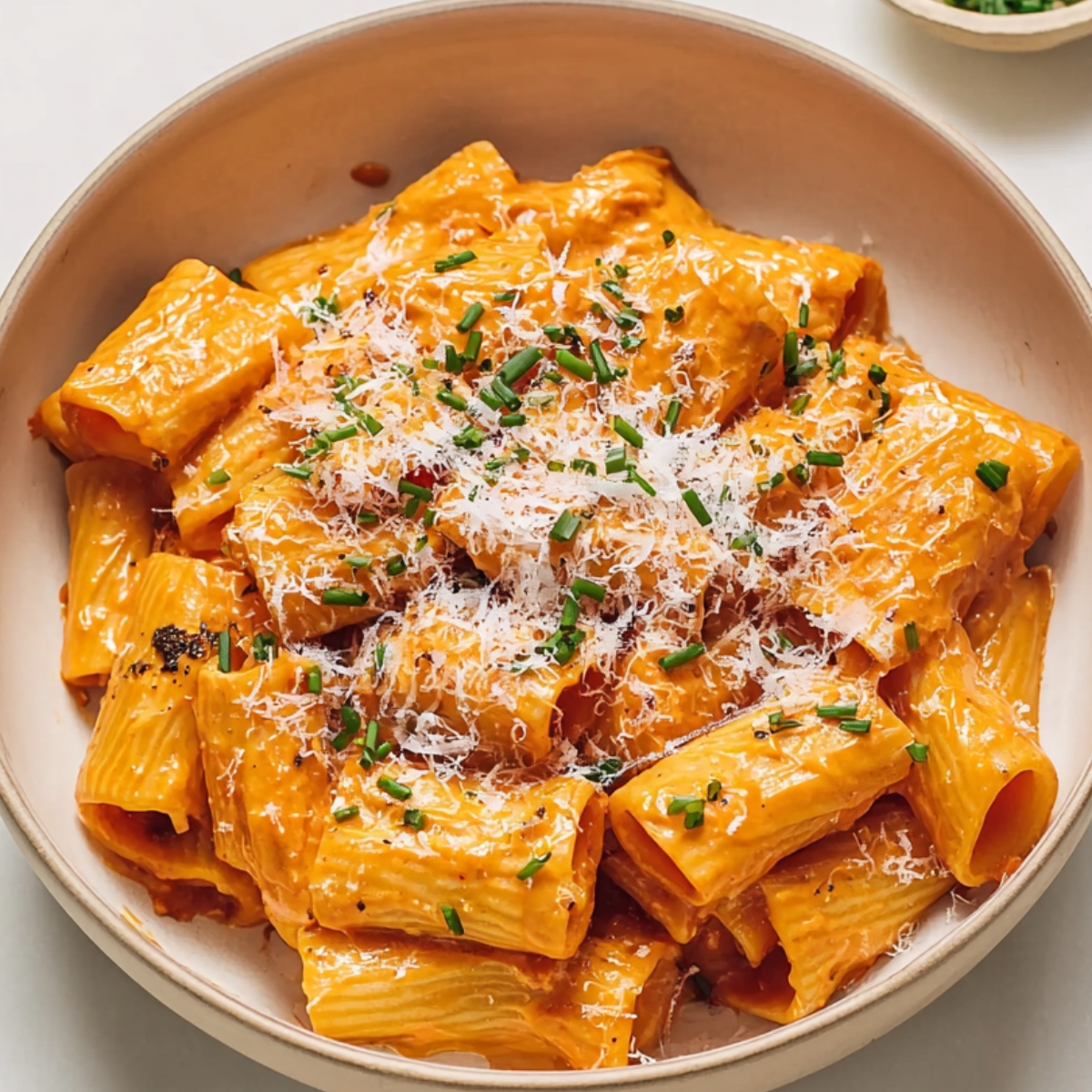
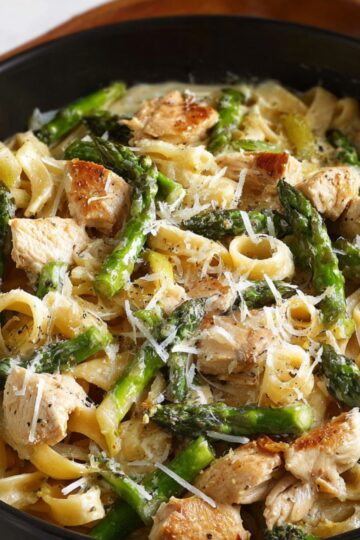
This creamy, spicy gochujang pasta brings together buttery garlic, rich cream, and Korean chili paste in one silky, restaurant-style sauce. The first time I tried gochujang in pasta, I was skeptical but one bite of those glossy, spice-coated noodles changed everything. Now it's my go-to when I want something that feels fancy but comes together in about 20 minutes with ingredients I usually have on hand.
If you love a little heat balanced with creaminess, this Healthy Chicken Pillows Recipe | Ready in 30 Minutes might also be your style, or try this Easy Peppercorn Sauce Recipe | Ready in 20 Minutes for another quick weeknight win.
Why You'll Love This Gochujang Pasta
This creamy gochujang pasta checks all the boxes when you want comfort food with a kick. The sauce is rich and velvety, with just enough spice to keep things interesting without overwhelming your taste buds. It's also incredibly forgiving—if you want it spicier, add more gochujang. If you prefer it milder, dial it back. The whole thing comes together in one skillet after you boil the pasta, which means minimal cleanup. Plus, it uses simple ingredients like butter, cream, garlic, and parmesan that you probably already have, so you don't need a specialty grocery run.
Jump to:
Gochujang Pasta Ingredients
Here's what goes into this spicy, creamy Korean pasta recipe.
See Recipe Card Below This Post For Ingredient Quantities
Rigatoni pasta: The tube shape holds onto the creamy gochujang sauce beautifully, though fusilli or spaghetti work just as well if that's what you have.
Garlic: Fresh minced garlic brings a sharp, aromatic base that balances the richness of the cream and the heat of the gochujang.
Shallot: Adds a mild, slightly sweet onion flavor that's more delicate than regular onions and blends perfectly into the sauce.
Butter: Unsalted butter creates a silky foundation for the sauce and helps the garlic and shallots cook gently without burning.
Gochujang: This fermented Korean chili paste is the star of the dish, bringing deep umami, a touch of sweetness, and a warm, building heat.
Heavy cream: Makes the sauce luxuriously thick and creamy, mellowing the spice and creating that restaurant-quality texture.
Oyster sauce: Adds a savory, slightly briny depth that enhances the umami without making the dish taste fishy.
Parmesan cheese: Freshly grated parmesan melts into the sauce, adding salty, nutty richness and helping it cling to the pasta.
Pasta water: The starchy cooking liquid loosens the sauce and helps everything come together in a glossy, cohesive coating.
Chives and extra parmesan: Fresh garnishes that add a pop of color, a mild onion note, and extra cheesy goodness.
How to Make Gochujang Pasta
This Korean pasta recipe is simple and comes together in just a few steps.
Cook the pasta: Bring a large pot of salted water to a rolling boil over high heat. Add your rigatoni and cook until al dente, following the package timing, usually around 10 to 12 minutes. Before draining, scoop out half a cup of the starchy pasta water and set it aside.
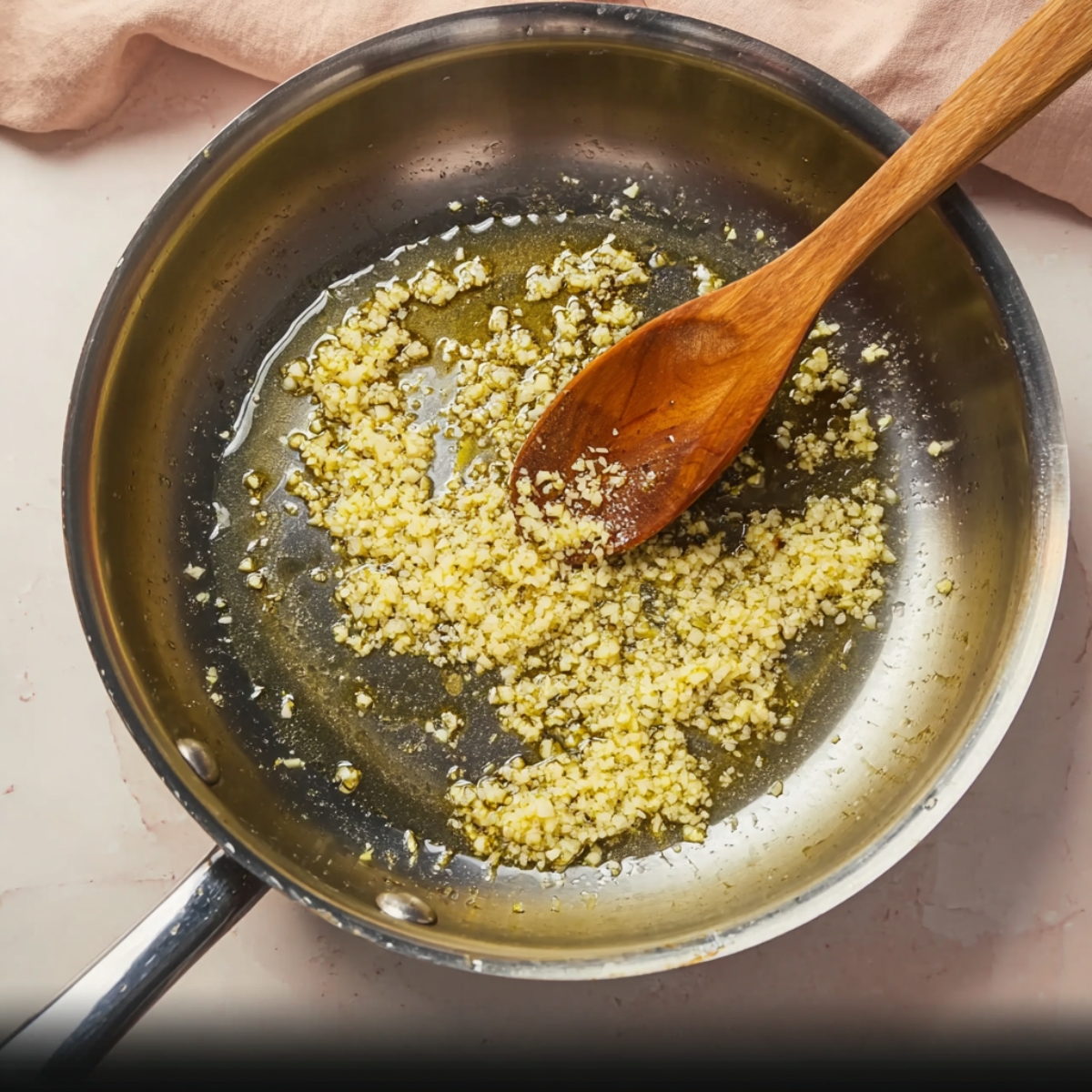
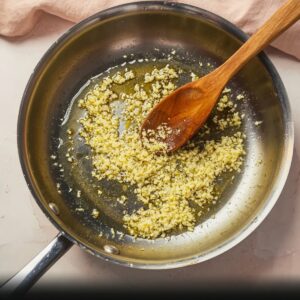
Sauté the aromatics: Melt the butter in a large skillet over medium-low heat until it's foamy and fragrant. Toss in the minced garlic and diced shallot, stirring frequently for about 2 minutes until they turn golden and smell amazing, but don't let them brown too much or they'll taste bitter.
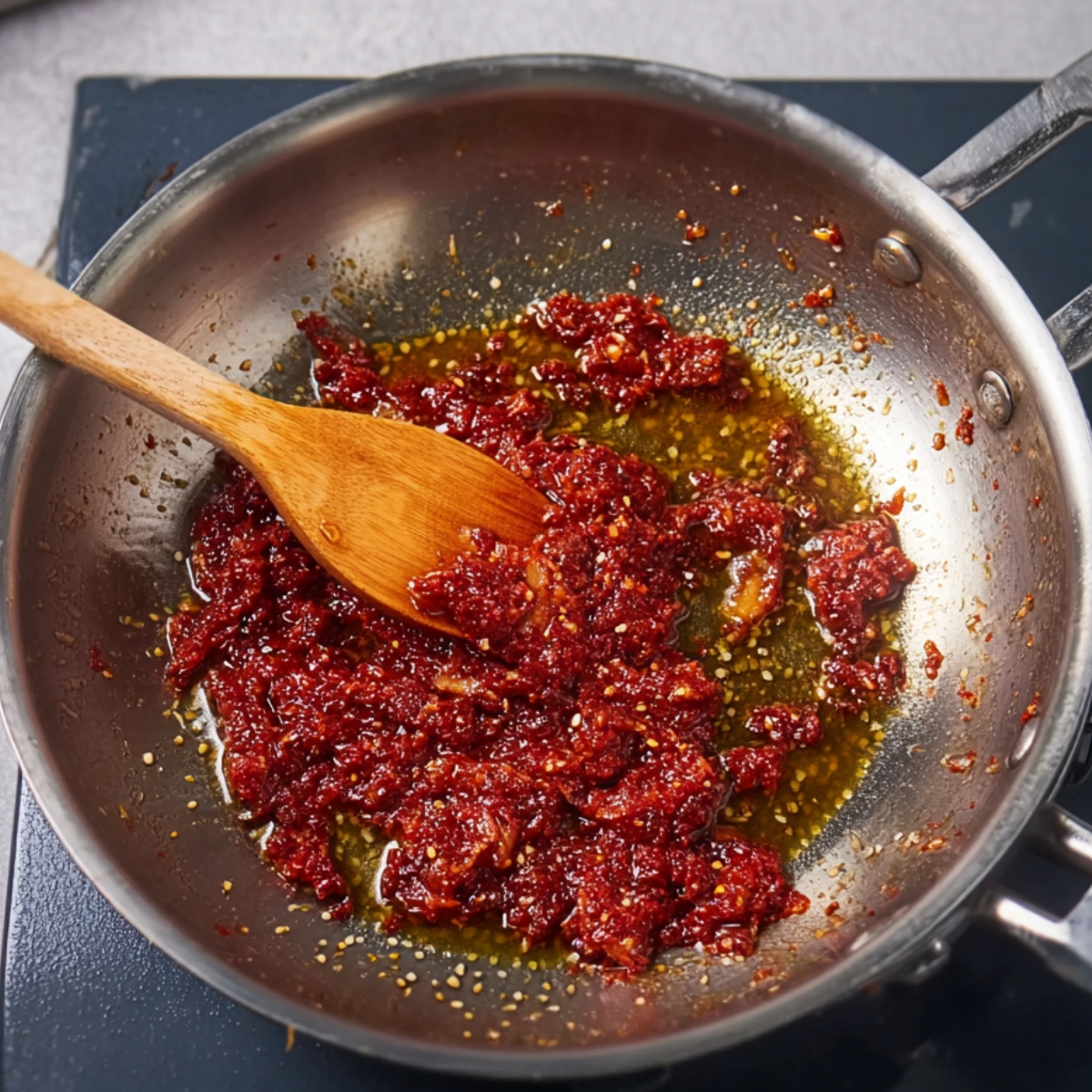
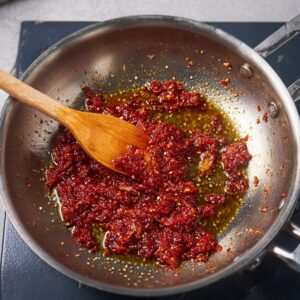
Bloom the gochujang: Stir the gochujang into the butter mixture and let it cook for about 2 minutes, stirring constantly. This step mellows the raw chili paste and releases its deep, savory flavor into the butter.
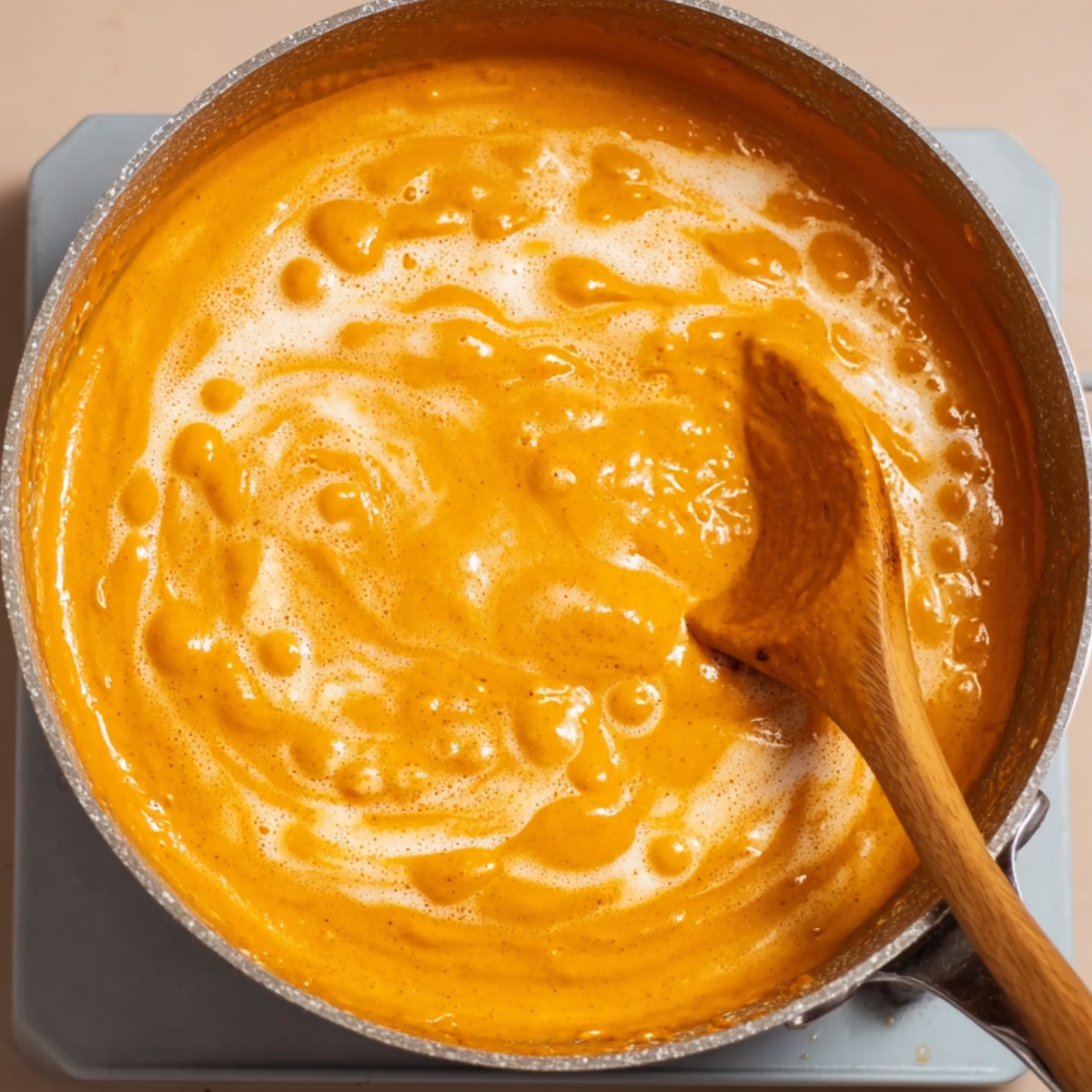
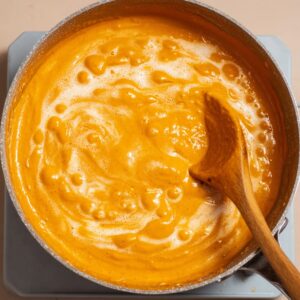
Build the cream sauce: Pour in the heavy cream and oyster sauce, stirring everything together until smooth. Let the sauce simmer gently for 4 to 5 minutes until it thickens enough to coat the back of a spoon. You'll see it turn glossy and rich.
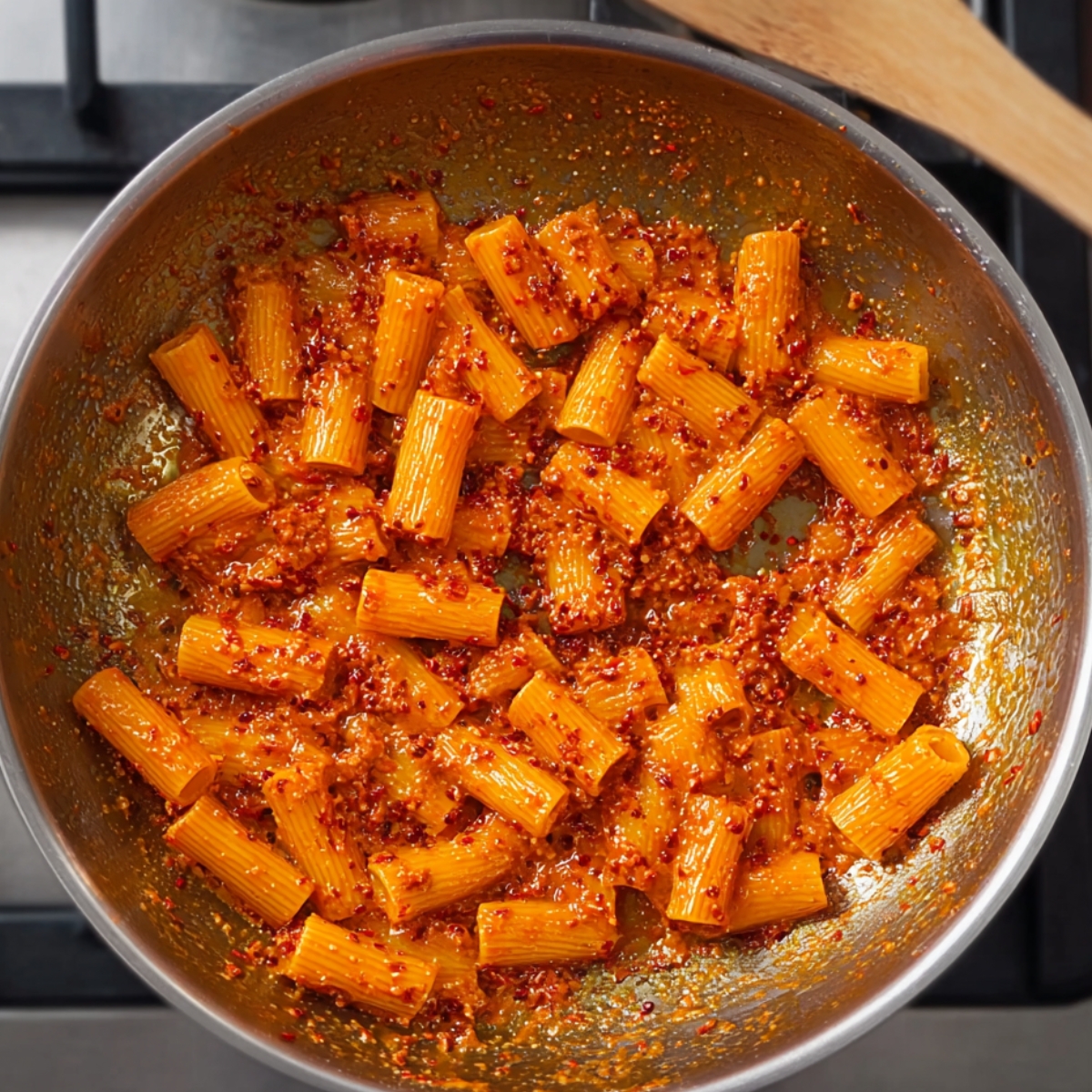
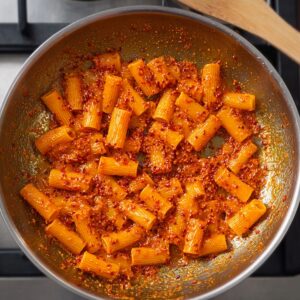
Combine everything: Add the drained pasta to the skillet and toss it with the sauce until every piece is coated. Sprinkle in the freshly grated parmesan and start adding the reserved pasta water a little at a time, stirring until the sauce becomes creamy and clings to the noodles. Let it cook for another 1 to 2 minutes so the flavors meld together.
Finish and serve: Transfer the pasta to bowls, then top with chopped chives and an extra handful of freshly grated parmesan. Serve it right away while it's hot and creamy.
Substitutions and Variations
This Gochujang Pasta is easy to customize based on what you have or what you're craving.
Make it vegan: Swap the butter for vegan butter or olive oil, use full-fat coconut cream instead of heavy cream, and replace the parmesan with nutritional yeast or a vegan parmesan alternative. Skip the oyster sauce or use a vegan mushroom-based version.
Try different pasta shapes: Fusilli, penne, bucatini, or even spaghetti work beautifully here. Shorter shapes with ridges or curves grab onto the sauce best.
Add protein: Toss in cooked chicken, shrimp, crispy tofu, or even a fried egg on top for a heartier meal.
Boost the veggies: Stir in sautéed mushrooms, baby spinach, or roasted cherry tomatoes for extra color and nutrition.
Adjust the heat: Start with less Gochujang Pasta if you're sensitive to spice, or add a pinch of red pepper flakes if you want even more kick.
Equipment For Gochujang Pasta
You don't need any fancy tools for this Gochujang Pasta
Medium saucepan: For boiling the pasta until tender and perfectly al dente.
Colander: To drain the cooked pasta quickly while you save that precious pasta water.
Large skillet: Where all the magic happens big enough to toss the pasta with the creamy gochujang sauce without spilling over the sides.
Storage and Reheating Tips
This Korean Italian fusion pasta keeps well if you have leftovers, though it's so good you might not. Store any extra pasta in an airtight container in the fridge for up to 3 days. The sauce will thicken as it sits, so when you reheat it, add a splash of milk, cream, or even just water to loosen it back up. Warm it gently in a skillet over low heat, stirring frequently, or microwave it in 30-second bursts, stirring in between. I don't recommend freezing this one—the cream sauce can separate and get grainy when thawed.
Serving Suggestions
This spicy gochujang pasta is rich and bold, so it pairs beautifully with light, fresh sides. Serve it with a crisp green salad dressed in lemon vinaigrette to cut through the creaminess. Garlic bread or toasted baguette slices are perfect for soaking up every last bit of sauce. If you want to round out the meal, try it alongside this Honey Hot Chicken Salad Recipe | Crispy & Spicy in 30 Min for a full Italian-Korean fusion feast, or keep it simple with steamed broccoli or roasted asparagus. A cold glass of white wine or sparkling water with lime makes it feel extra special.ll to freezing for X days/weeks/months.
Top Tip
Salt your pasta water generously. It should taste like the ocean—this is your only chance to season the pasta itself.
Don't skip the pasta water. That starchy liquid is key to making the sauce silky and helping it cling to every noodle.
Use freshly grated parmesan. Pre-shredded cheese has anti-caking agents that can make your sauce grainy instead of smooth.
Keep the heat low when cooking the garlic. Burnt garlic tastes bitter and will ruin the whole dish, so be patient and watch it closely.
Taste as you go. Gochujang Pasta brands vary in heat level, so adjust the amount based on your preference and the brand you're using.
FAQ
How to cook gochujang pasta?
Cook your pasta until al dente, then build a creamy sauce by sautéing garlic and shallots in butter, stirring in Gochujang Pasta, and adding heavy cream and parmesan. Toss the pasta with the sauce and a little pasta water until everything is glossy and coated. It's a one-skillet wonder that takes about 20 minutes total. My tip: keep the heat on the lower side so the cream doesn't split.
How long does gochujang pasta sauce last?
The sauce will keep in an airtight container in the fridge for up to 3 days. It thickens as it sits, so when you reheat it, add a splash of cream or milk to bring it back to life. I usually make extra sauce and store it separately so I can toss it with fresh pasta later in the week.
Does Gochujang Pasta need to be cooked before eating?
Technically, gochujang is fermented and safe to eat straight from the jar, but cooking it really brings out its deep, savory flavor and mellows the raw spice. Blooming it in butter or oil for a couple of minutes before adding liquids makes a huge difference in the final dish.
How much Gochujang Pasta to use in pasta?
Start with about 2 to 2 ½ tablespoons for a balanced, medium heat level that most people enjoy. If you love spice, you can go up to 3 tablespoons, but if you're serving kids or spice-sensitive eaters, start with 1 tablespoon and adjust from there. You can always add more, but you can't take it away.
Related
Looking for other recipes like this? Try these:
Pairing
These are my favorite dishes to serve with Gochujang Pasta

Gochujang Pasta
Equipment
- 1 Medium saucepan Used to boil the pasta until tender and perfectly al dente
- 1 Colander Drains the pasta efficiently while preserving the starchy cooking water
- 1 Large skillet Spacious enough to toss the pasta with the creamy gochujang sauce without spills
Ingredients
- 12 oz dried rigatoni pasta short pasta shapes that hold sauce well
- 8 cloves garlic finely minced for even flavor
- 1 ½ medium shallots small dice for quick sautéing
- 4 tablespoons unsalted butter adds richness to the sauce base
- 3 tablespoons gochujang Korean chili paste with balanced heat
- 1 ¾ cups heavy cream full-fat for a smooth texture
- 1 ¼ tablespoons oyster sauce boosts savory depth
- ½ cup Parmesan cheese freshly grated for melting
- ¾ cup reserved pasta water starchy cooking liquid
- Additional Parmesan cheese for finishing at the table
- Chopped chives fresh and mild for garnish
Instructions
- Bring a large pot of well-salted water to a rolling boil and cook the pasta until just tender, saving some of the cooking water before draining.
-
Melt the butter in a wide skillet over medium-low heat, then add the garlic and shallots and cook until soft and aromatic with light golden edges.

-
Stir the gochujang into the pan and let it gently cook so the chili paste deepens and softens in heat.
-
Pour in the heavy cream and oyster sauce, stirring until smooth, and simmer until the sauce thickens slightly and looks glossy.
-
Add the drained pasta to the skillet along with the Parmesan and reserved pasta water, tossing until the noodles are evenly coated and creamy.
- Remove from heat and finish with chives and extra Parmesan before serving warm.
Leave a Reply