
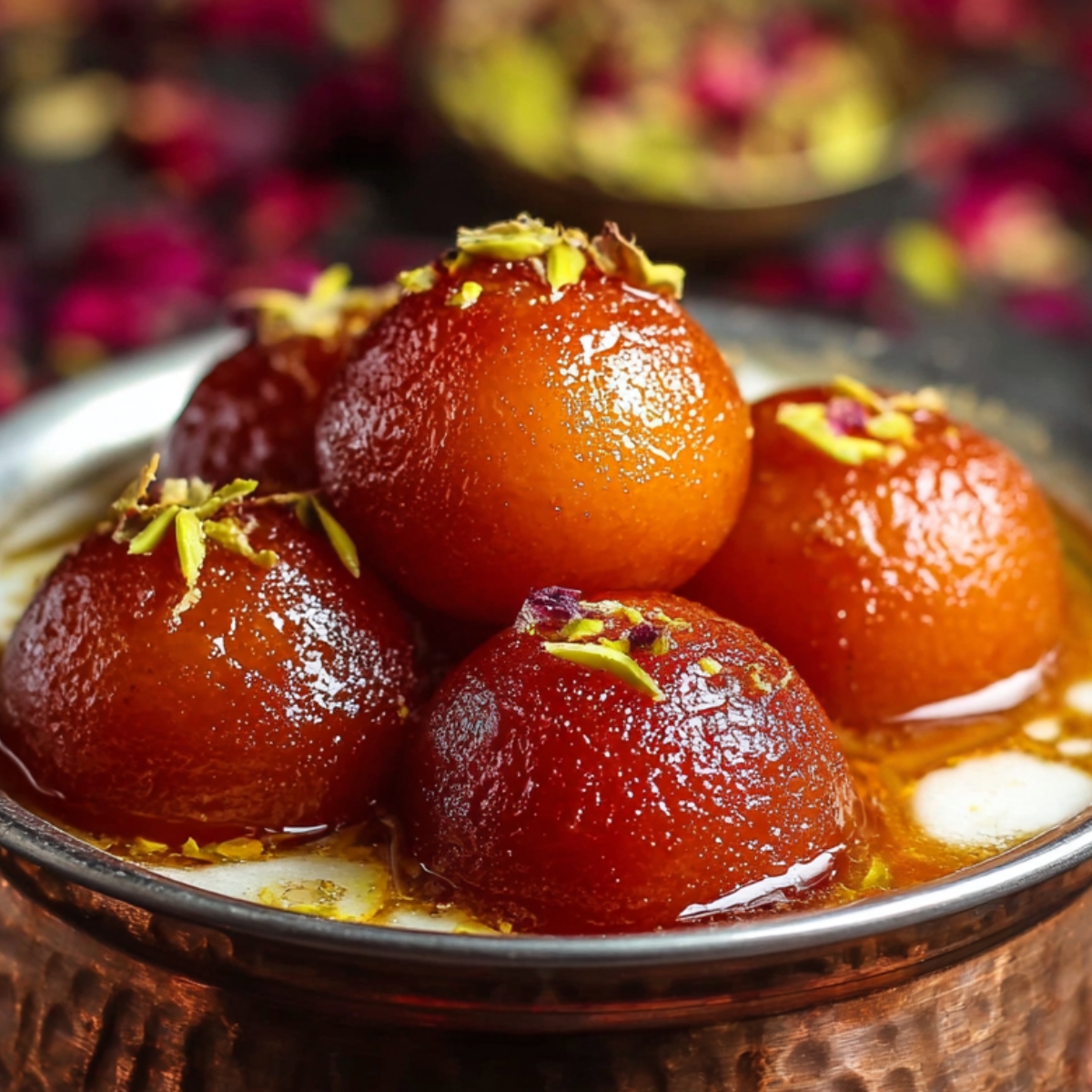
Back in 1994, when I was just starting culinary school, my Indian roommate Priya taught me something that changed my dessert game forever. This gulab jamun recipe isn't just another sweet - it's the result of countless failed attempts, 47 different khoya combinations, and one breakthrough moment at 2 AM when I finally understood why my dumplings kept falling apart. After three decades of making these spongy, syrup-soaked treats for every celebration, I'm sharing the exact method that never fails.
Why This Recipe Changed Everything for Me
Teaching this to over 200 students in my Indian cooking classes, I can tell you exactly why this version works. It took me honestly about 15 tries to get the texture right - my first batch was so hard we could've used them as cricket balls. But once I figured out proper milk solids preparation and syrup consistency, everything clicked. The thing is, most people think gulab jamun is just about mixing and frying, but there's actually a lot more going on.
The khoya needs to be at just the right moisture level, and the oil temperature - well, that took me forever to figure out. I probably ruined at least 20 batches because my oil was either too hot or not hot enough. What really makes this work is understanding how milk solids behave when they hit hot oil. Too much flour and they get dense, too little and they fall apart completely. I learned this the hard way when I served what basically looked like scrambled eggs floating in syrup to my in-laws. Not my finest moment.
Jump to:
- Why This Recipe Changed Everything for Me
- Ingredients for Gulab Jamun
- How To Make Gulab Jamun Step By Step
- Gulab Jamun Variations
- Smart Swaps for Different Needs
- Equipment For Gulab Jamun Recipe
- Storing Your Gulab Jamun Recipe
- Why This Gulab Jamun Recipe Works
- Top Tip
- The Secret Ingredient My Aunt Swears By
- FAQ
- Sweet Success Awaits!
- Related
- Pairing
- Gulab Jamun
Ingredients for Gulab Jamun
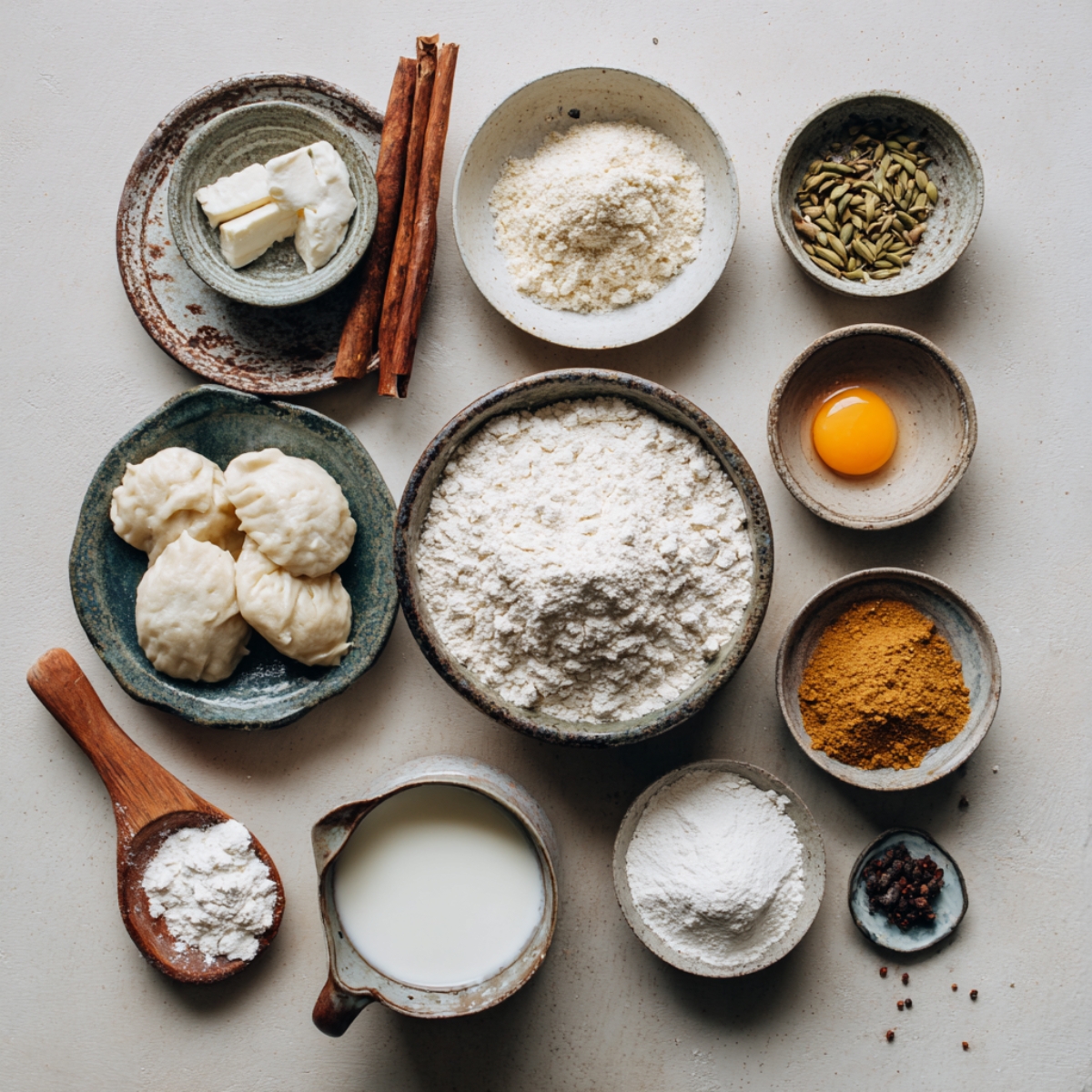
The Dumpling Base:
- Fresh khoya
- All-purpose flour
- Baking powder
- Ghee
- Cardamom powder
- Whole milk
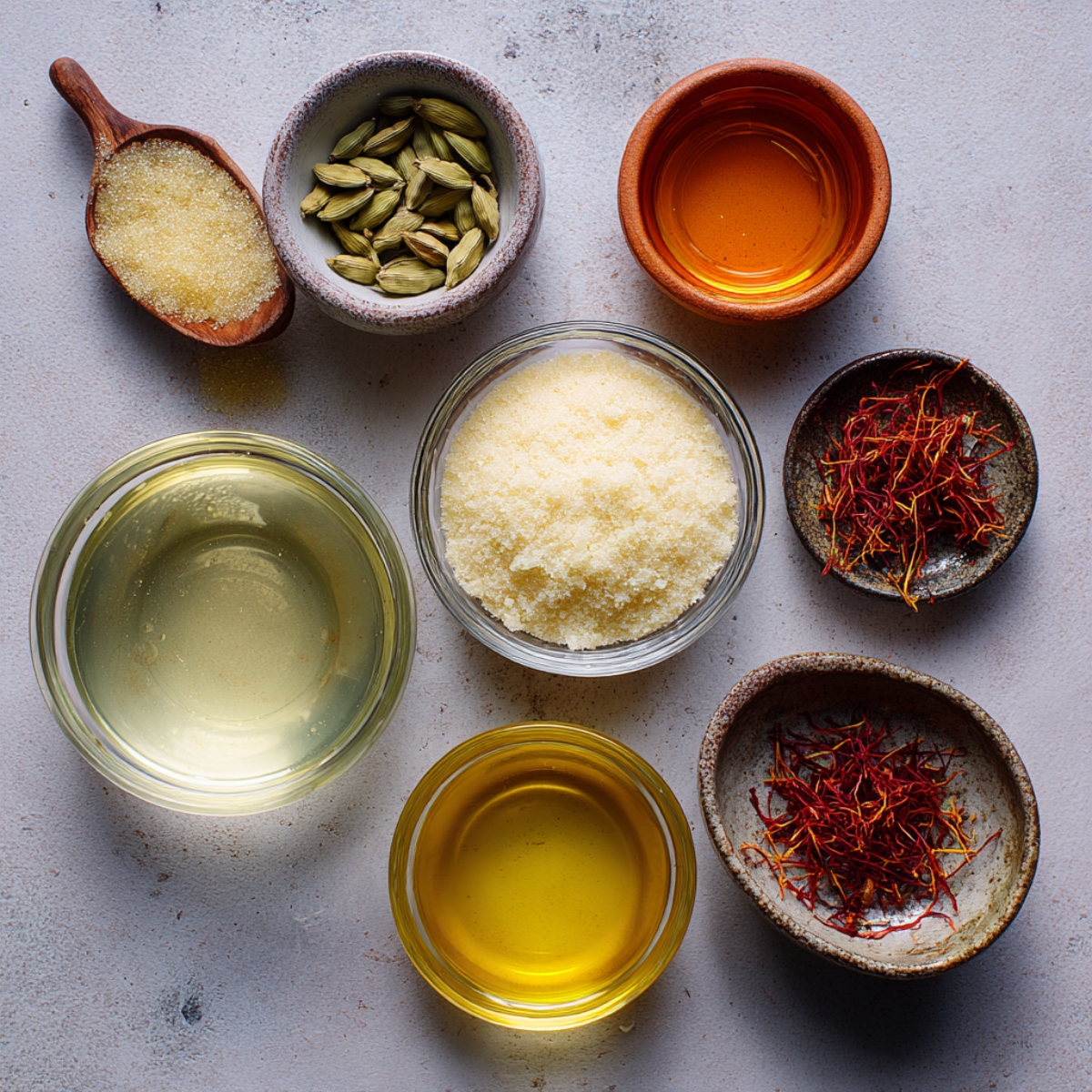
The Sugar Syrup:
- Granulated sugar
- Water
- Green cardamom pods
- Rose water
- Saffron strands
- Lemon juice
For Frying:
Ghee or neutral oil
See recipe card for quantities.
How To Make Gulab Jamun Step By Step
Prep the Syrup First:
- Keep warm while you work
- Combine sugar and water (2:1 ratio)
- Add cardamom pods and saffron
- Simmer until slightly sticky
- Stir in rose water off heat
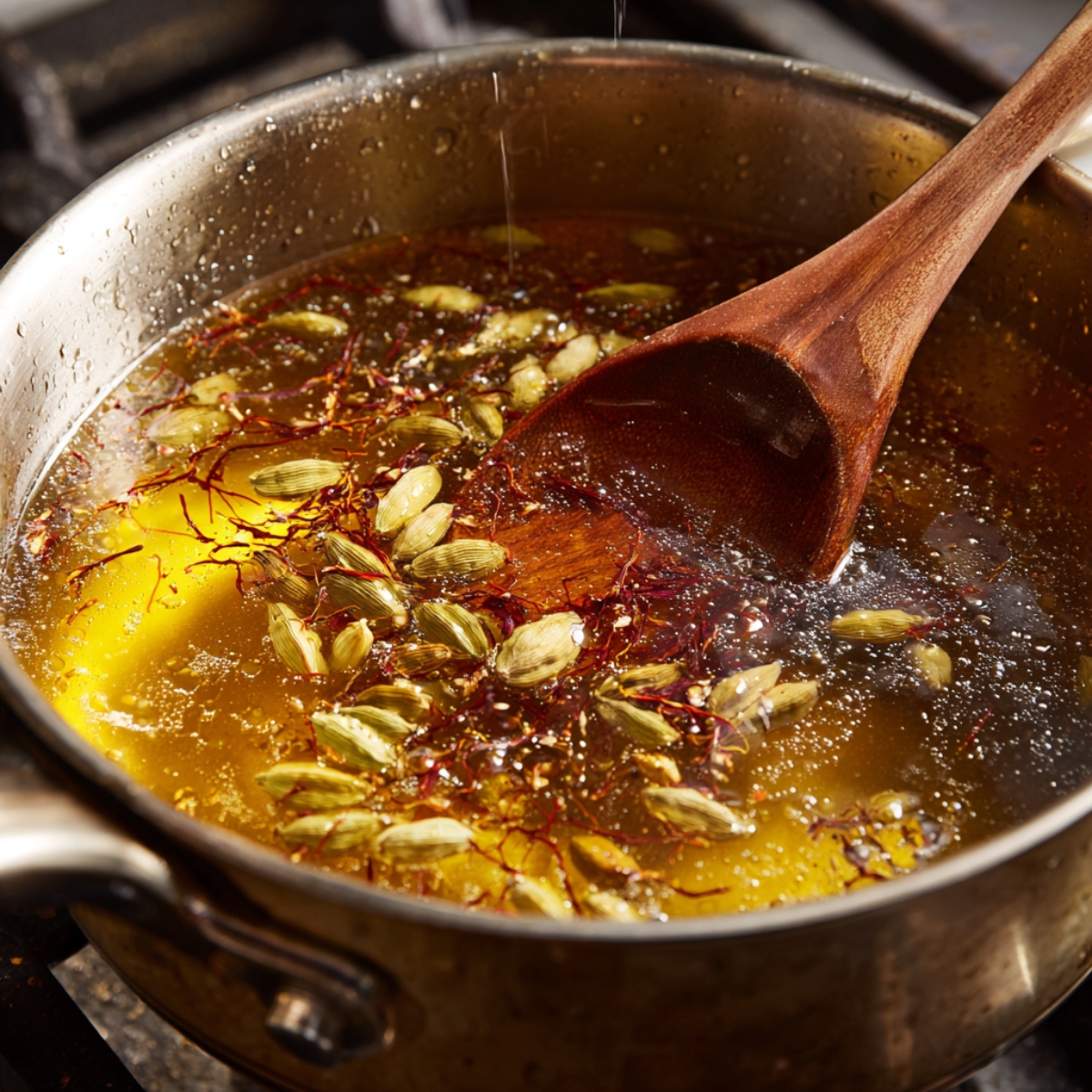
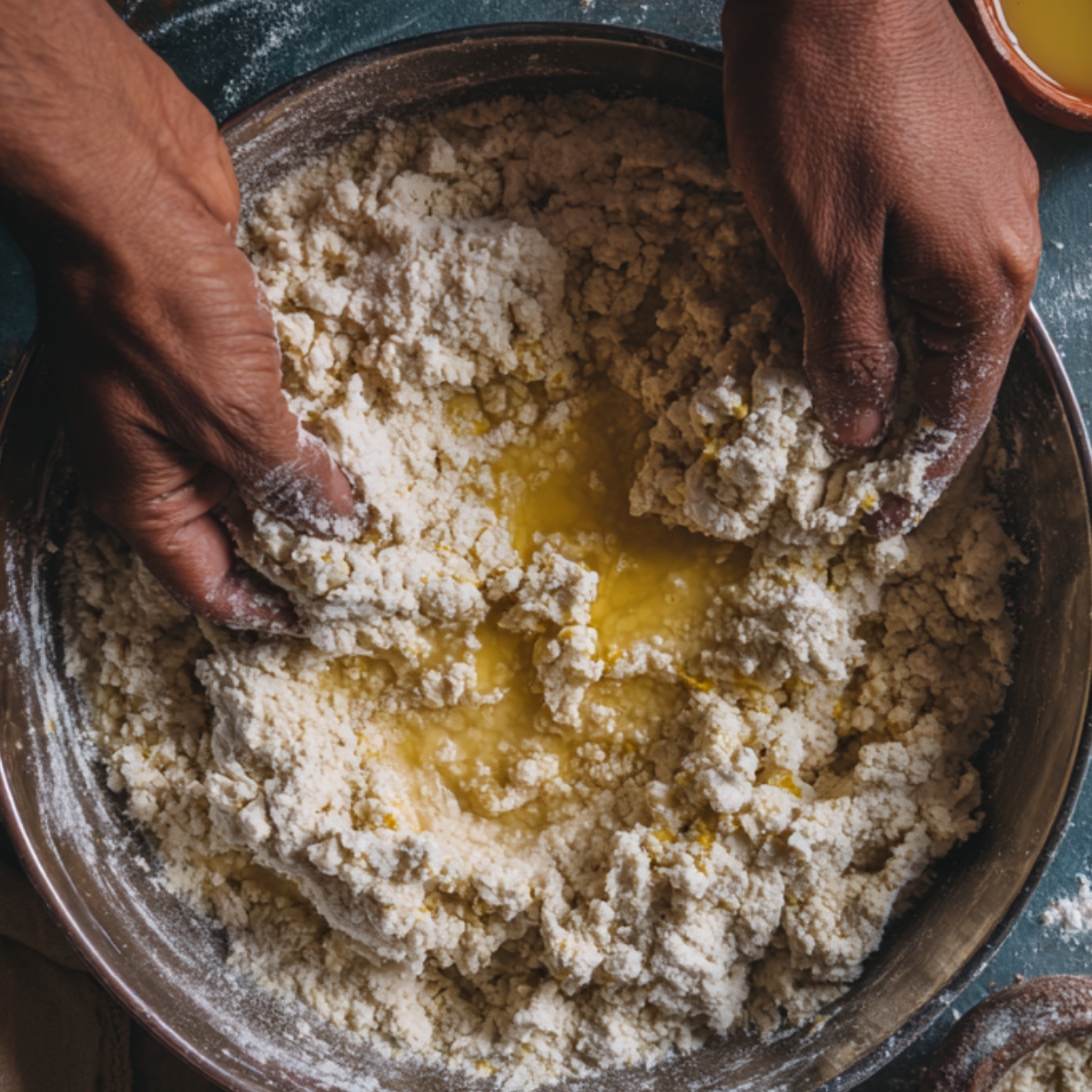
Create the Dough:
- Crumble khoya until fine
- Mix with flour and baking powder
- Add warm ghee gradually
- Knead just until it comes together
- Rest 10 minutes
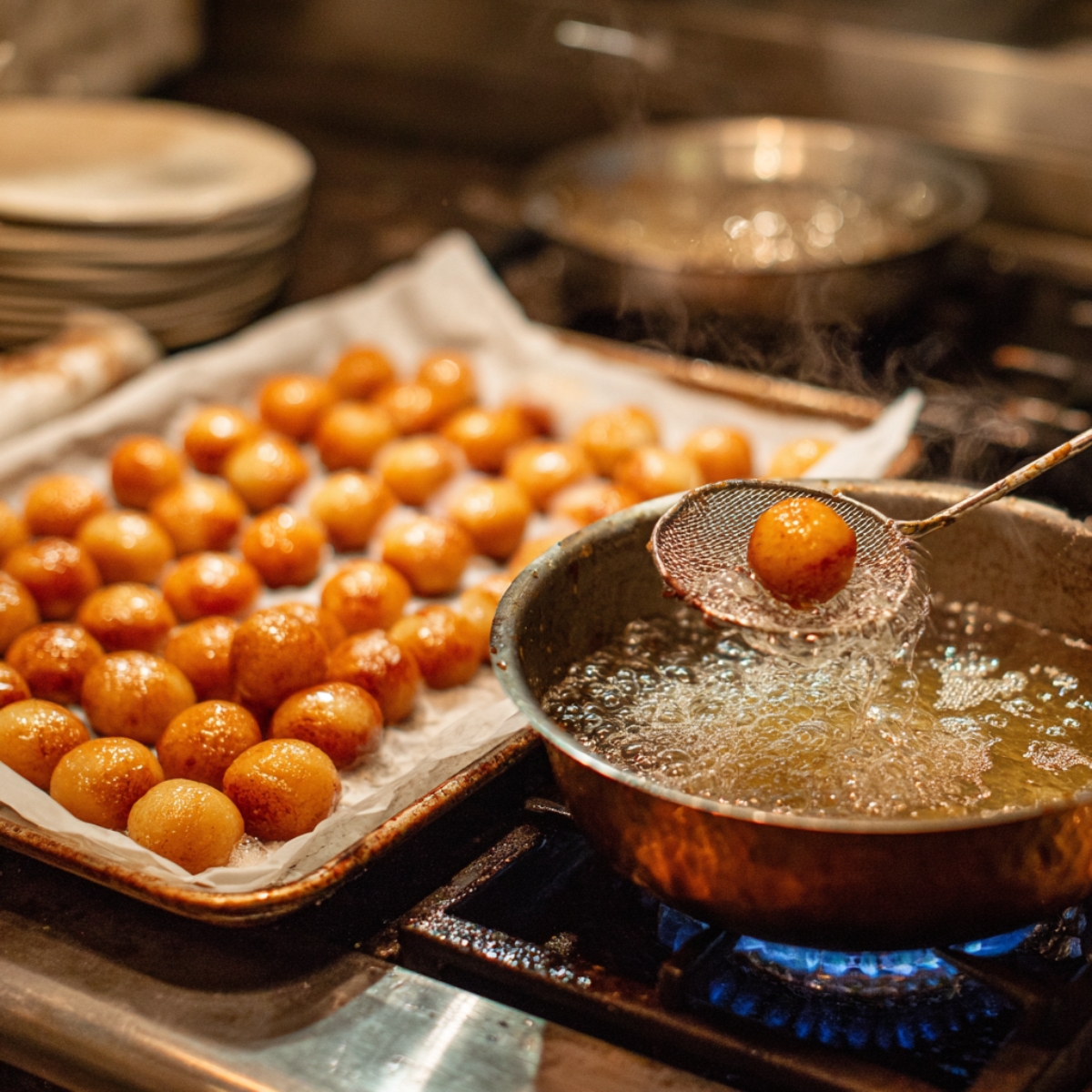
Shape and Fry:
- Roll into smooth, crack-free balls
- Heat ghee to 300°F
- Fry slowly, turning constantly
- Look for deep golden color
- Drain briefly
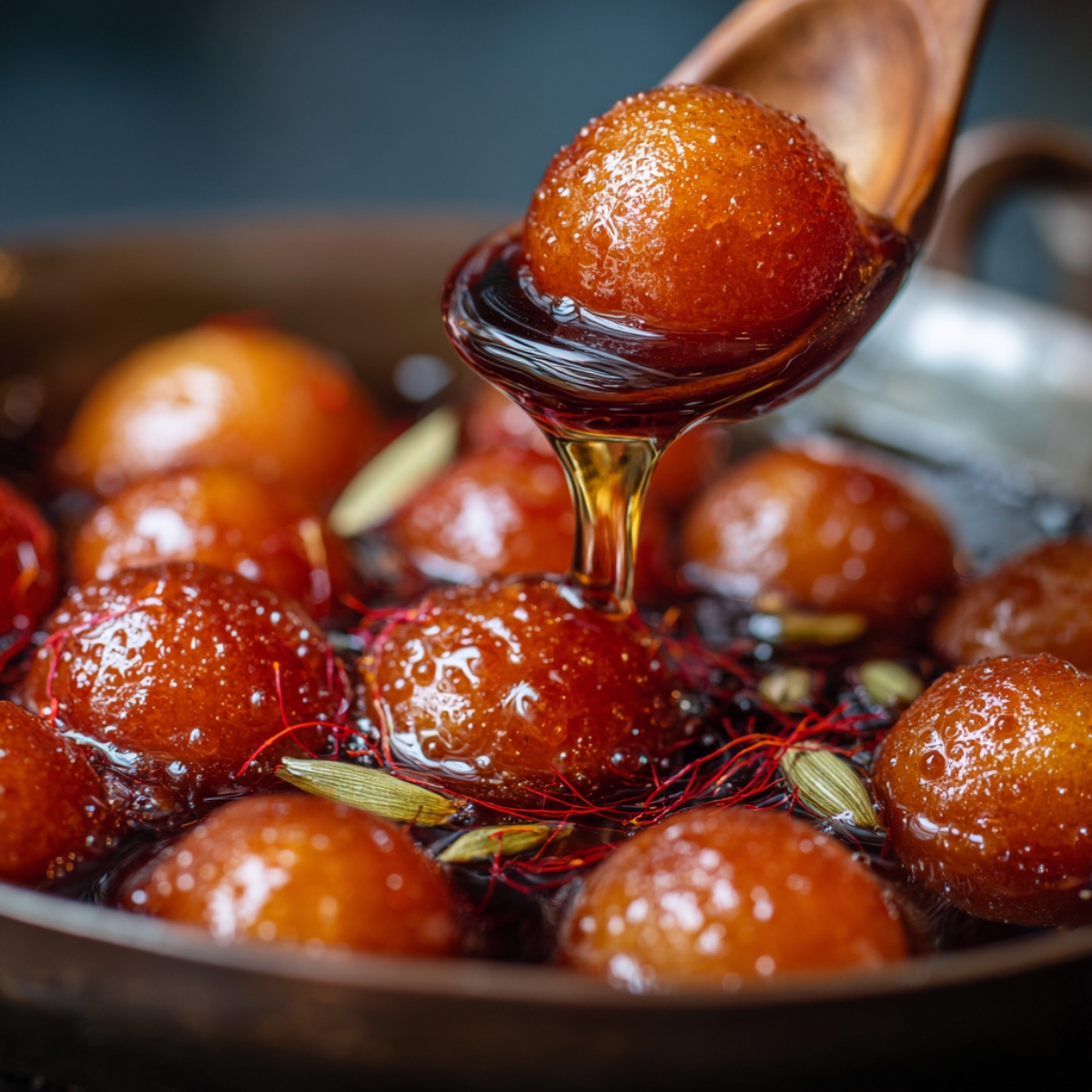
The Final Soak:
- Serve warm or at room temperature
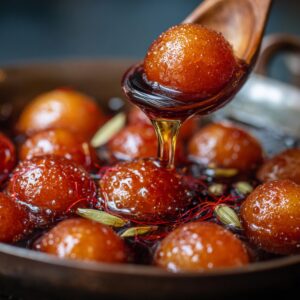
- Drop hot gulab jamun into warm syrup
- Let them absorb for 2 hours minimum
Gulab Jamun Variations
Stuffed Versions:
- Pistachio center
- Coconut filling
- Date paste core
- Chocolate surprise
Flavor Twists:
- Kala jamun (darker, richer)
- Saffron-heavy version
- Cardamom-rose combo
- Mango essence
Modern Takes:
- Baked gulab jamun (healthier)
- Mini bite-sized
- Cake-style presentation
- Ice cream pairing
Smart Swaps for Different Needs
Milk Solids:
- Fresh khoya → Milk powder + ghee (mix 1:3 ratio)
- Homemade → Store-bought (choose soft varieties)
- Cow milk → Buffalo milk khoya (richer flavor)
Flour Options:
- All-purpose → Semolina (slightly grittier texture)
- Regular → Gluten-free blend (add xanthan gum)
Sweetening:
- White sugar → Jaggery (deeper flavor)
- Regular → Sugar-free substitute (reduce liquid)
Flavoring:
- Rose water → Orange blossom water
- Cardamom → Cinnamon (different but nice)
Equipment For Gulab Jamun Recipe
- Slotted spoon
- Heavy-bottomed pan for frying
- Candy thermometer
- Fine-mesh strainer
- Large mixing bowl
Storing Your Gulab Jamun Recipe
Counter Storage (3 days):
- Keep in syrup
- Cover loosely
- Room temperature
- Stir gently once daily
Fridge Storage (1 week):
- In airtight container with syrup
- Bring to room temp before serving
- May need extra syrup over time
Freezing (not recommended):
- Texture changes significantly
- Better to make fresh batches
Why This Gulab Jamun Recipe Works
The thing about gulab jamun is that it looks simple but there's a lot of science happening. When you get the khoya-to-flour ratio right, the proteins in the milk solids create this network that holds everything together while still staying tender. I didn't understand this for years - I just kept adding more flour when my dumplings fell apart, which made them tough as rocks.
The two-stage syrup process is what really makes the difference though. First you get that light syrup consistency, then when the hot gulab jamun hits it, the temperature difference creates tiny pockets that help absorption. My aunt always said "hot meets warm, never hot meets cold" and she was right. Room temperature syrup just sits on the surface, but warm syrup gets pulled right in.
Top Tip
- Remember, gulab jamun is about patience and gentle heat. The biggest mistake I see people make is rushing the frying process - they crank up the heat thinking it'll cook faster, but you end up with burnt outsides and raw insides. Keep that oil at a steady 300°F and resist the urge to hurry things along. The dumplings need time to cook through slowly, turning them gently every few minutes so they brown evenly on all sides.
- Some of my students try to rush this step and wonder why their sweets taste dry. The syrup isn't just coating the outside; it's actually penetrating through the entire dumpling, creating that signature juicy bite. I usually make mine in the morning and let them sit until dinner time. The temperature of both the gulab jamun and syrup matters too. Hot dumplings going into warm syrup creates the right conditions for absorption.
The Secret Ingredient My Aunt Swears By
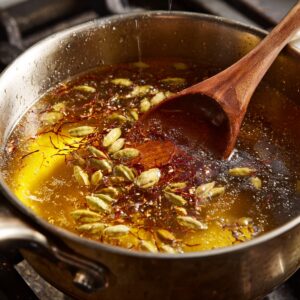
This is where things get interesting. My aunt, who ran a sweet shop for 40 years, taught me something that transformed my gulab jamun completely. Instead of just adding cardamom to the syrup, she'd bloom whole green cardamom pods in warm ghee for exactly 3 minutes, then strain that flavored ghee into the dough. The difference is subtle but unmistakable - every bite has this warm, aromatic depth that people can't quite identify.
Her other trick? A pinch of baking soda in the syrup itself. "Sugar syrup needs to breathe," she'd say, watching it foam slightly. That tiny bit of alkali helps the dumplings absorb the syrup more evenly, creating that perfect spongy texture throughout. Sometimes the oldest techniques are the most brilliant.
FAQ
What is Gulab Jamun made of?
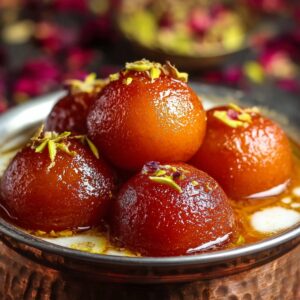
Traditional gulab jamun is made from khoya (milk solids), flour, and a touch of baking powder, formed into balls and deep-fried until golden. They're then soaked in sugar syrup flavored with cardamom, rose water, and sometimes saffron. The milk solids create that signature soft, spongy texture.
Is Gulab Jamun healthy or unhealthy?
Gulab jamun is a high-calorie dessert due to deep-frying and sugar syrup, so it's best enjoyed in moderation. However, it does provide protein from milk solids and calcium. Consider it an occasional treat rather than everyday food, especially during festivals and celebrations.
Can Muslims eat Gulab Jamun?
Yes, gulab jamun is generally halal as it contains milk solids, flour, sugar, and spices. However, always check if the khoya was made with halal-certified milk and ensure any flavorings used are halal-approved. Homemade versions give you complete control over ingredients.
What does Gulab Jamun taste like?
Gulab jamun has a rich, milky sweetness with floral notes from rose water and warm spice from cardamom. The texture is spongy and soft, almost melting on your tongue. The sugar syrup adds concentrated sweetness while the milk solids provide depth and richness.
Sweet Success Awaits!
Now you have all the secrets to creating gulab jamun - from proper khoya preparation to my aunt's aromatic ghee technique. These traditional sweets prove that some recipes are worth the extra effort and patience they require.
Indulge in our Easy Gluten-Free Red Velvet Cake Recipe, a rich and velvety dessert that practically melts in your mouth. Or, brighten your day with our Best Lemon Poppy Seed Cookies Recipe, blending classic Italian-inspired flavors with the ease of a cookie. For a lighter option, try our Healthy Caramel Apple Cheesecake Bars Recipe a fresh, fruity twist that adds a touch of sunshine to any meal!
Share your gulab jamun success! We love seeing your festive creations!
Rate this recipe and join our cooking community!
Related
Looking for other recipes like this? Try these:


Pairing
These are my favorite dishes to serve with Gulab Jamun
Gulab Jamun
Equipment
- 1 Heavy-bottomed pan (For frying evenly)
- 1 Slotted spoon (To remove dumplings safely)
- 1 candy thermometer (Keep oil steady at 300°F)
- 1 Large mixing bowl (For kneading dough)
- 1 Fine mesh strainer (For syrup clarity)
Ingredients
- 2 cups Khoya milk solids - Crumbled very fine
- 3 tablespoon All-purpose flour
- ¼ teaspoon Baking powder
- 1 tablespoon Ghee clarified butter - Warm
- ¼ teaspoon Cardamom powder
- 2–3 tablespoon Whole milk - Add only as needed
- 2 cups Granulated sugar
- 1 cup Water
- 3–4 pods Green cardamom pods
- Few strands Saffron
- 1 teaspoon Rose water - Add off heat
- ½ teaspoon Lemon juice - Prevents crystallization
- Pinch — Baking soda - Optional helps absorption
- Enough — Ghee or neutral oil - For deep frying
Instructions
-
Simmer sugar, water, cardamom, and saffron until sticky then add rose water.

-
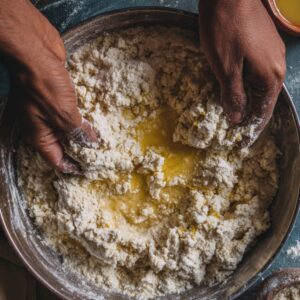
Mix khoya, flour, baking powder, ghee, and milk until a soft dough forms.
-
Roll the rested dough into smooth, crack-free round dumplings for frying.
-
Fry the dumplings slowly in ghee at steady heat until golden brown.
-
Place the hot fried dumplings in warm syrup and let them absorb for hours.

Leave a Reply