
Crispy on the outside, soft and pillowy in the center, with just the right hint of vanilla glaze dripping down the sides - these donut holes are the kind of treat that turns a regular Tuesday morning into something worth remembering. I first made them on a rainy Saturday when my daughter Emma came padding into the kitchen in her pajamas, asking if we could make donuts. No yeast, no fancy equipment, and nothing that needed to rise for an hour. Just a simple batter, hot oil, and 20 minutes later we had a whole plate of golden bites ready to dunk.
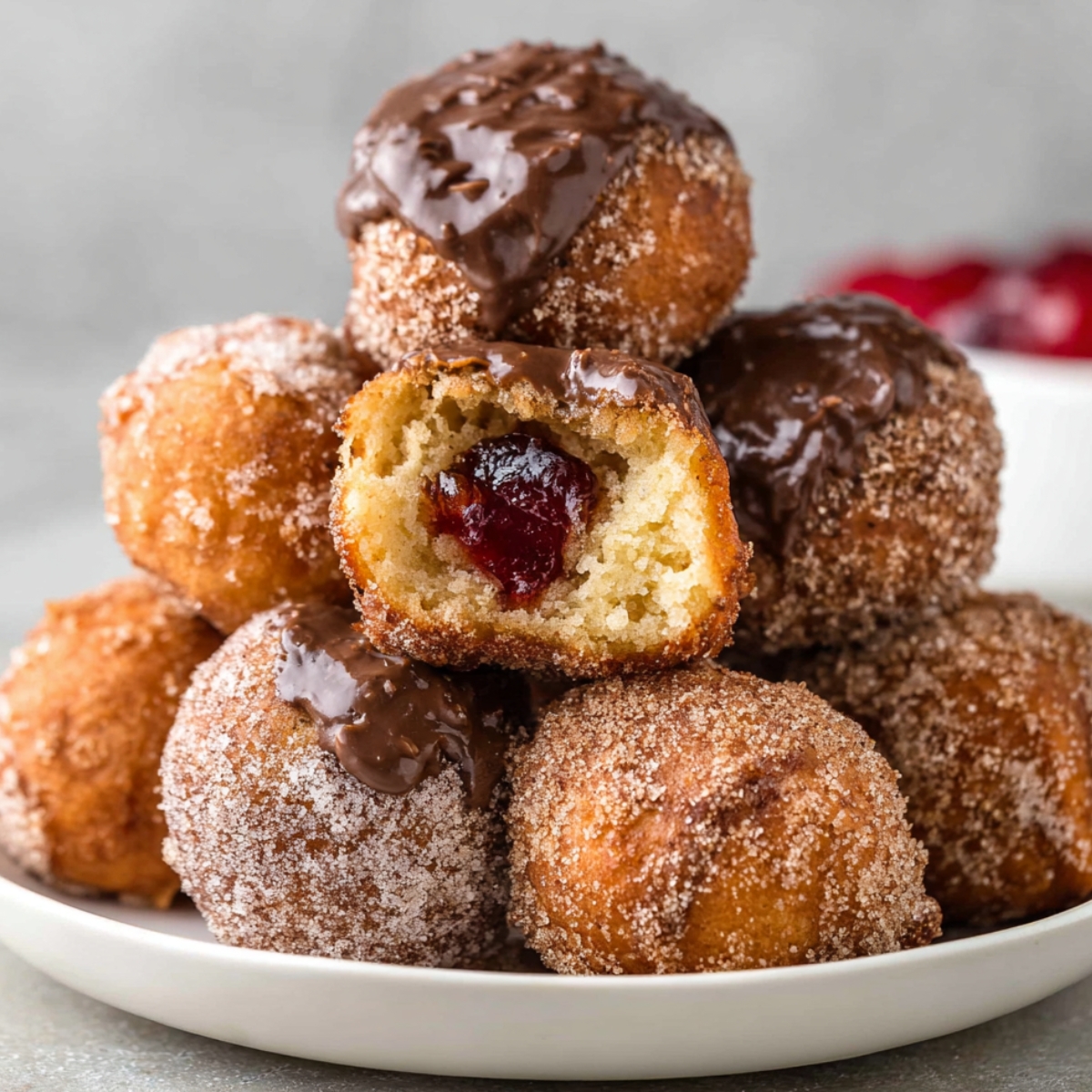
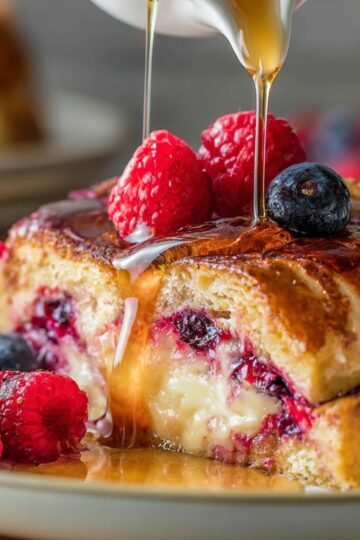
If you love warm Dessert recipes, these little guys fit right in alongside something like a Easy Berry Stuffed French Toast Recipe or Delicious Cinnamon Butter Recipe or a batch of Delicious Sweet Potato Pancakes Recipe.
The batter comes together with pantry staples you already have on hand, and the whole thing is so beginner-friendly. No thermometer anxiety, no complicated dough - just a warm, cozy kitchen moment that smells incredible. A light dusting of cinnamon sugar or a quick dip in glaze, and you've got homemade donut holes that taste like they came straight from a bakery case.
Jump to:
Donut Holes Ingredients
Here's a quick look at each ingredient and why it's doing its job in this recipe.
See Recipe Card Below This Post For Ingredient Quantities
For the Donut Holes
- Flour: All-purpose flour forms the base structure of the batter, giving the donut holes their soft, chewy body without making them dense.
- Salt: Balances the sweetness and brings out the warm flavors in the batter. Don't skip it.
- Cinnamon/Nutmeg: Optional but they add a cozy, bakery-style warmth to every bite. Use one or both depending on what you love.
- Baking powder: This is what makes these donut holes rise and puff up without any yeast. It's the key to getting that light, airy inside.
- Whole milk: Adds richness and moisture to the batter, keeping the donut holes tender after frying.
- Egg: Helps bind everything together and adds a little extra moisture and structure.
- Granulated sugar: Sweetens the batter just enough without making the donut holes cloying, especially if you're adding a glaze or coating on top.
- Melted butter: Adds a subtle richness and flavor to the dough that you can't quite replicate with oil alone.
- Vegetable oil: Used for frying. Its high smoke point keeps the oil stable and gives the donut holes that golden, crispy exterior.
For the Traditional Glaze
- Powdered sugar : Forms the base of the glaze, giving it a smooth, sweet coat that sets up perfectly on the warm donut holes.
- Half and half: Thins the glaze to the right dipping consistency - not too thick, not too runny. Whole milk works too.
- Vanilla extract: Rounds out the glaze with a warm, bakery-style flavor that makes it taste anything but plain.
Optional Toppings
- Cinnamon sugar for a warm, spiced coating
- Chocolate glaze for a richer finish
- Fruit jelly, Nutella, or lemon curd for filled donut holes
- Powdered sugar for a classic, light dusting
How to Make Donut Holes Step by Step
Let's walk through the whole process. It's simpler than it looks, and once you make these once, you'll have it memorized.
Prepare the dry ingredients: Whisk together the flour, salt, optional cinnamon and/or nutmeg, and baking powder in a medium bowl. Give it a good stir so everything is evenly mixed, then set the bowl aside while you heat the oil.
Heat the oil: Pour vegetable oil into a large, deep skillet to about 2 to 3 inches deep. Heat it over medium to medium-high heat until it reaches 360 to 375 degrees F. A clip-on thermometer is the easiest way to check. To test without one, drop in a small drop of water - if it sizzles and pops immediately, you're ready to go.
Mix the wet ingredients: In a separate large bowl, whisk together the whole milk, egg, granulated sugar, and melted butter until smooth and combined.
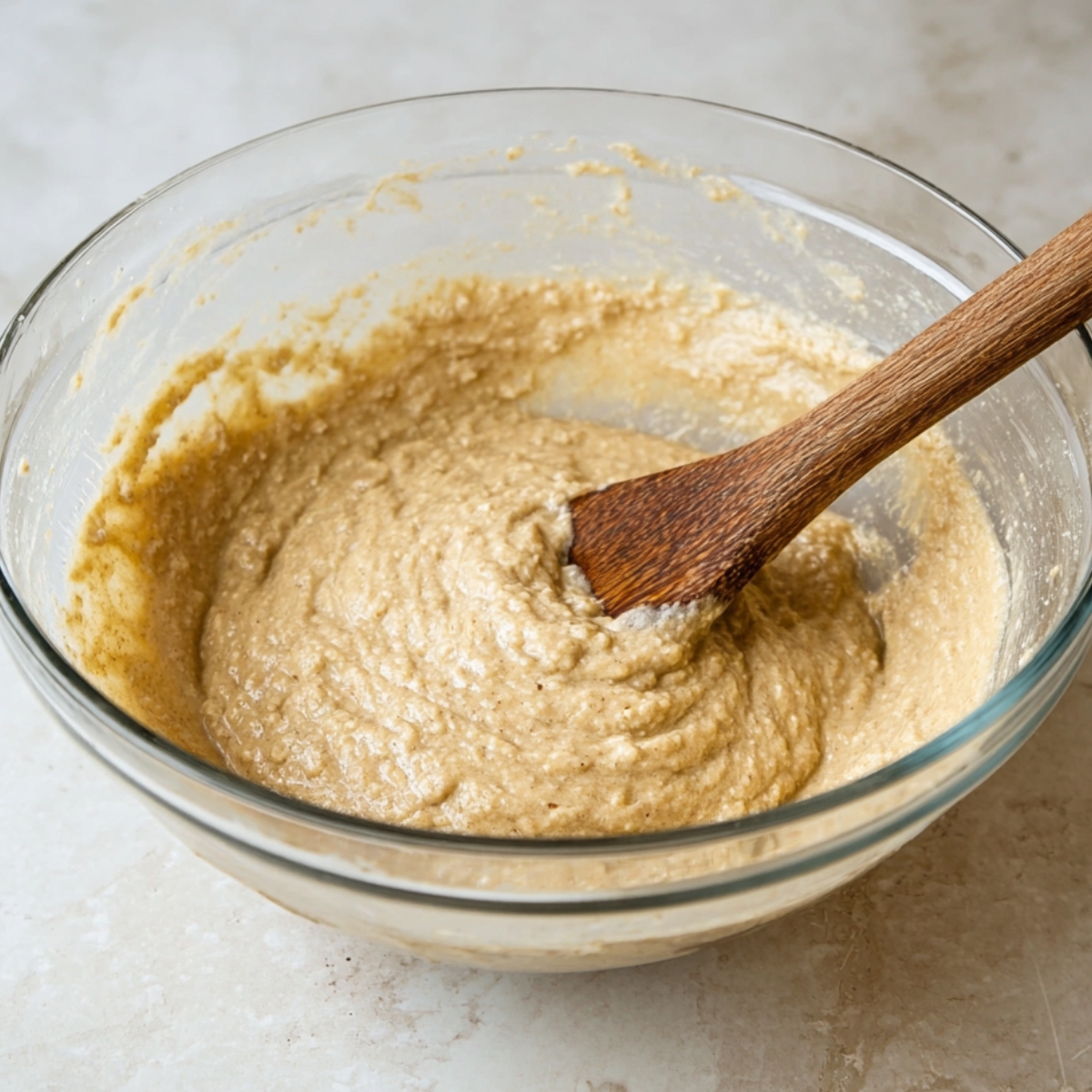
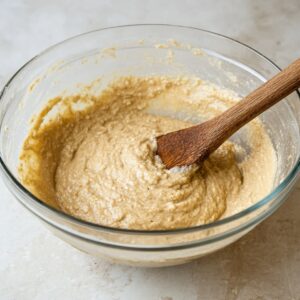
Combine wet and dry: Pour the dry ingredient mixture into the wet ingredients and stir until just combined. The batter will be sticky - that's exactly right. Stop mixing as soon as there are no dry streaks. Overmixing will make the donut holes tough.
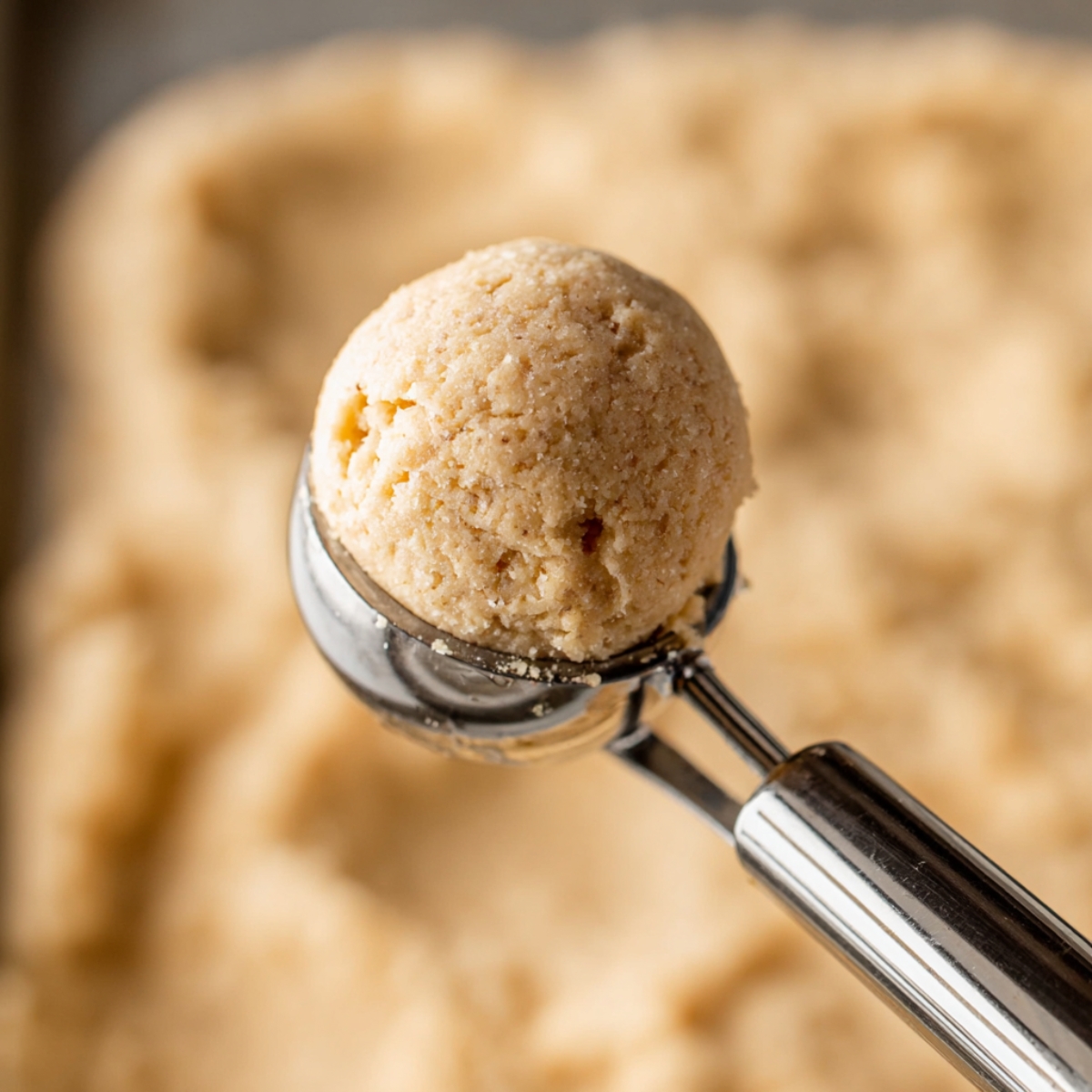
Scoop the batter: Spray a small cookie scoop with non-stick spray and scoop about 2 teaspoons of dough per donut hole. Alternatively, use two spoons to drop the dough into the oil. The cookie scoop gives you rounder, more even shapes.
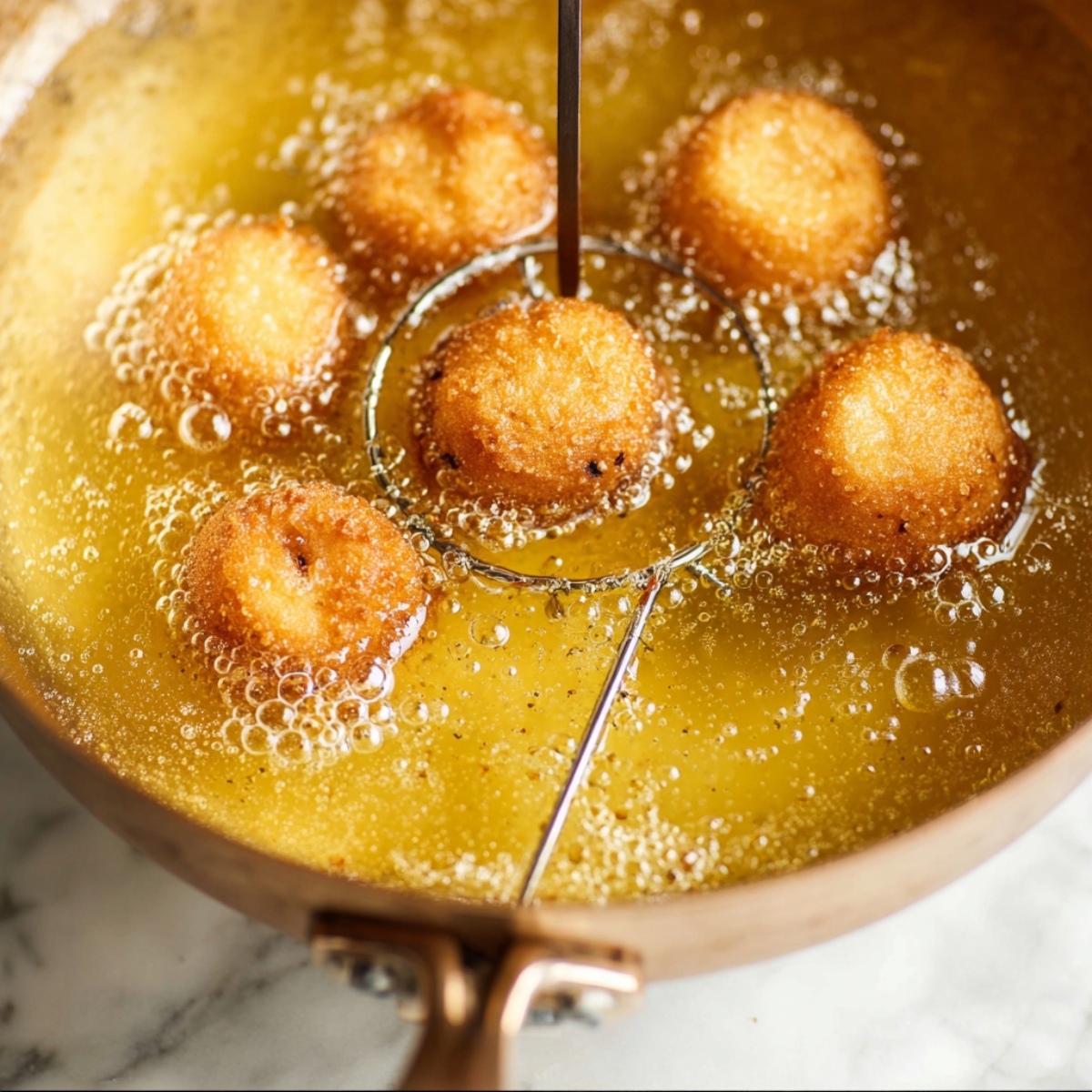
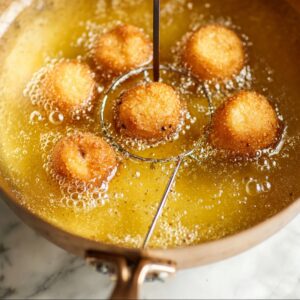
Fry the donut holes: Gently drop 5 to 7 scoops of dough into the hot oil at a time. Fry for 1 to 2 minutes per side, flipping as needed, until they're a deep golden brown all around. Don't crowd the oil or they won't cook evenly and the temperature will drop too quickly.
Prepare the glaze: While the donut holes cool for a minute or two on a paper towel-lined surface, whisk together the powdered sugar, half and half (or milk), and vanilla extract until completely smooth.
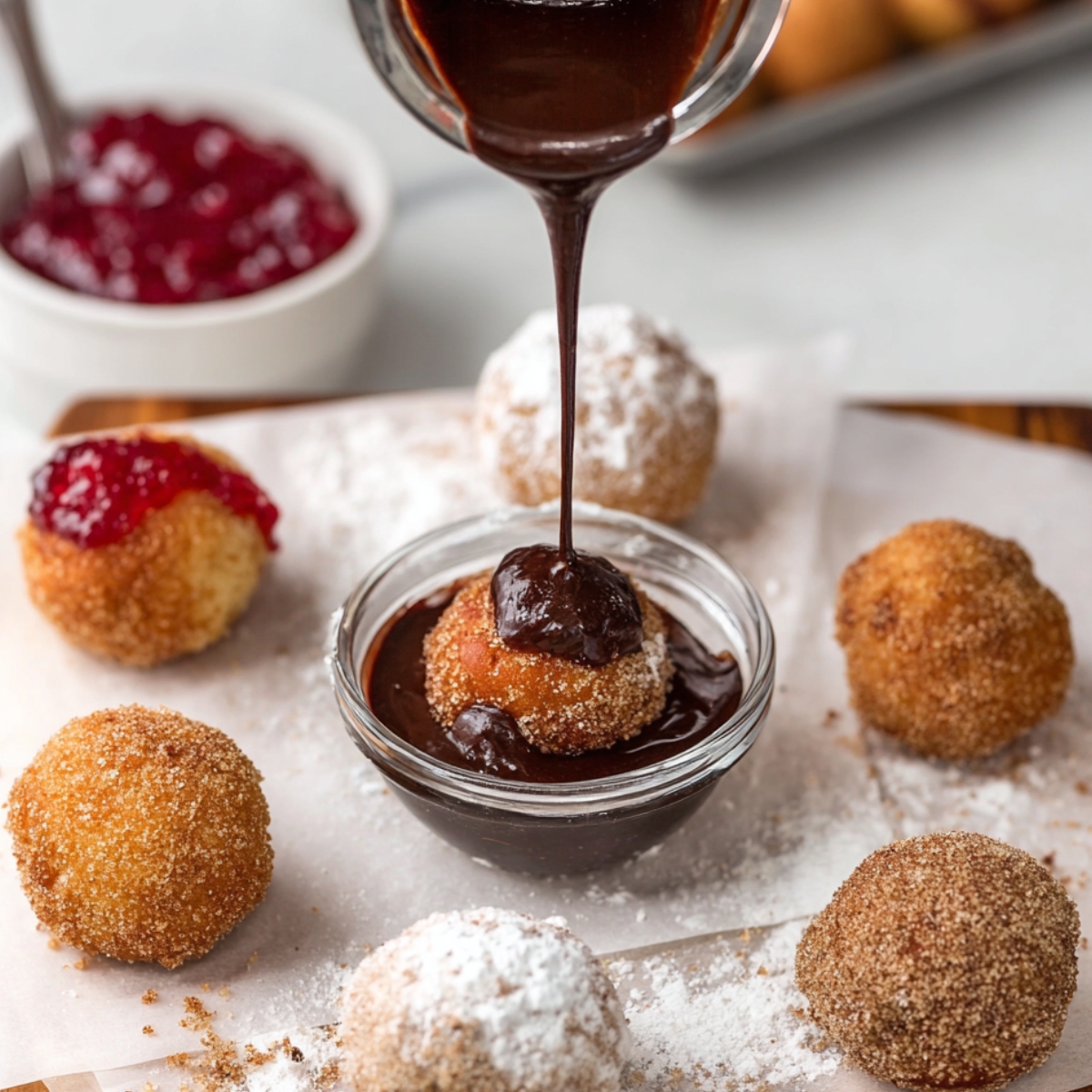
Glaze the donut holes: Dunk the warm donut holes into the glaze and set them on a wire rack so the extra glaze can drip off. Serve immediately while they're still warm and the glaze is just setting.
Alternative Topping Methods
Cinnamon sugar: Toss the donut holes in a cinnamon sugar mixture immediately after they come out of the oil, while they're still warm and slightly tacky.
Powdered sugar: Let the donut holes cool completely first, then shake them in a paper bag or zip-lock bag with the powdered sugar for an easy, even coating.
Filled donut holes: Let them cool slightly, then use a piping bag to push your filling of choice - fruit jelly, Nutella, or lemon curd - right into the center.
Easy Swaps and Substitutions
Don't have everything on hand? Here are some simple swaps that work well in this recipe.
Milk: Whole milk can be replaced with 2% milk or a non-dairy milk like oat milk. The texture will be very slightly lighter but still delicious.
Half and half: If you don't have it for the glaze, whole milk works just as well. Start with a little less and add more until you hit the right dipping consistency.
Butter: Melted coconut oil can step in for the butter if needed, though you'll get a slightly different flavor.
Frying oil: Avocado oil or canola oil can be used in place of vegetable oil for frying with equally good results.
Cinnamon/nutmeg: If you want a little more spice, swap in apple pie spice or pumpkin pie spice for a seasonal twist.
Equipment For Donut Holes
Nothing fancy required here - just a few kitchen basics.
- A medium bowl for mixing dry ingredients
- A large bowl for mixing wet ingredients
- A deep skillet or heavy-bottomed pan for frying
- A clip-on thermometer to monitor oil temperature (optional but helpful)
- A small cookie scoop for even, round donut holes
- Paper towels for draining
- A wire rack for cooling glazed donut holes
Storing Your Donut Holes
These are absolutely best eaten fresh and warm, right out of the oil. That crispy exterior softens as they sit, so if you can, serve them within an hour of frying.
If you do have leftovers, store them in an airtight container at room temperature for up to 2 days. Skip the fridge - it makes them rubbery. To refresh them, pop the donut holes in an air fryer at 350 degrees F for 2 to 3 minutes or in a warm oven for about 5 minutes. They won't be quite as good as fresh, but they'll be warm and soft again.
Freezing is not recommended for glazed donut holes. If you want to prep ahead, fry and freeze them plain, then glaze after reheating.
Expert Tips
Keep the oil at the right temperature. If the oil is too cool, the donut holes absorb excess grease and come out heavy. Too hot and the outside burns before the center cooks through. Stay in that 360 to 375 degree F window as much as possible.
Don't overmix the batter. Stir until just combined. A few lumps are totally fine and actually better than a smooth batter - overmixing develops the gluten and makes the donut holes tough instead of tender.
Fry in small batches. Adding too many donut holes at once drops the oil temperature quickly and leads to uneven cooking. 5 to 7 at a time is the sweet spot.
Let the oil recover between batches. Give it 30 to 60 seconds between each batch to come back up to temperature before adding the next round.
Glaze while warm. The warm surface helps the glaze adhere and gives you that shiny, slightly set coating. If they cool too much before glazing, the glaze slides right off.
Use a cookie scoop for uniform sizing. Evenly sized donut holes cook at the same rate, so you won't end up with some overdone and some underdone in the same batch.
FAQ
Why do they call them donut holes?
The name comes from the traditional ring-shaped donut - when you cut out the center circle to shape the donut, you're left with a small round piece of dough. That little piece got its own name: the donut hole. Over time, donut shops started frying those scraps and selling them, and the name stuck even for recipes like this one where the whole dough is made specifically to be round little bites from the start.
How much is a 25-pack of Munchkins?
Dunkin' Munchkin pricing varies by location, but a 25-count box generally runs around $6 to $9 depending on where you are. Prices can differ by city and whether you're ordering in-store or through the app. Worth checking the Dunkin' app for any current deals. And honestly, making a batch at home costs a fraction of that for even more donut holes.
What are donut holes called in Canada?
In Canada, donut holes are most commonly called Timbits - named after Tim Hortons, the beloved Canadian coffee and donut chain. The name has become so widespread that many Canadians use "Timbit" as a general term for any small round donut bite, similar to how Americans say "Munchkins" for Dunkin's version.
What kind of filling is best for Munchkins?
Classic jelly filling - strawberry or raspberry jam - is probably the most popular choice. Lemon curd is a close second for anyone who loves that bright, tart contrast with the sweet dough. Nutella is a fan favorite for chocolate lovers, and bavarian cream or vanilla custard gives you that classic bakery-style bite. For this recipe, any of those fillings work beautifully - just pipe them in after the donut holes have cooled slightly.
Related
Looking for other recipes like this? Try these:


Pairing
These are my favorite dishes to serve with Donut Holes

Donut Holes
Ingredients
- 1 ½ cups all-purpose flour for a soft, fluffy texture
- ½ teaspoon salt to balance the sweetness
- ¼ to ½ teaspoon cinnamon and/or nutmeg optional, for added flavor
- 1 tablespoon baking powder helps the dough rise
- ½ cup whole milk for moisture
- 1 large egg binds the ingredients
- ⅓ cup granulated sugar sweetens the dough
- 2 tablespoons melted butter adds richness
- Vegetable oil for frying the donut holes
Traditional Glaze:
- 2 cups powdered sugar for sweetness
- ⅓ cup half-and-half or whole milk to thin the glaze
- 1 teaspoon vanilla extract for flavor
Other Topping Options:
- Cinnamon sugar for coating
- Chocolate glaze 1 batch
- Fruit jelly Nutella, or lemon curd (for filling)
- Powdered sugar about 1.5 cups for dusting
Instructions
- Whisk together the flour, salt, cinnamon (if using), and baking powder in a medium-sized bowl. Set aside.
- Heat oil in a large deep skillet, ensuring the oil is about 2-3 inches deep. Heat to 360°F to 375°F. You can test the oil by dropping a little water in, and if it sizzles, it's ready.
-
Whisk together the milk, egg, sugar, and melted butter in a separate large bowl. Add the dry ingredients to the wet mixture and stir to combine until smooth. Be careful not to over-mix.

-
Using a small cookie scoop or two spoons, scoop about 2 teaspoons of dough at a time. Gently drop them into the hot oil. Do not overcrowd; fry in batches of 5-7 at a time. Fry for 1-2 minutes per side until golden brown.
- Transfer the cooked donut holes to a paper towel-lined plate to drain. Allow them to cool for 1-2 minutes before glazing or topping.
- For the traditional glaze: In a small bowl, whisk together powdered sugar, half-and-half, and vanilla extract until smooth.
- For cinnamon sugar: Toss the fried donut holes in a mixture of cinnamon and sugar while still hot.
- For powdered sugar: Once cooled, toss donut holes in powdered sugar in a paper bag or a bowl for easy coating.
-
For filled donut holes: Let donut holes cool for a few minutes. Fill a piping bag with your chosen filling (e.g., jelly, Nutella). Pipe the filling into the center of each donut hole. Once filled, top with glaze or cinnamon sugar.


Leave a Reply