
Emma came home from her friend Ji-Soo's birthday party last month absolutely raving about the "best meat I've ever tasted in my entire life." After thirty minutes of enthusiastic descriptions involving "sweet," "spicy," and "I could eat it forever," I figured out she meant Korean BBQ pork. That weekend, we recreated it in our own kitchen, and watching her take that first bite with her eyes closed in pure bliss made me realize we'd discovered our new favorite dinner.
Why You'll Love This Korean BBQ Pork
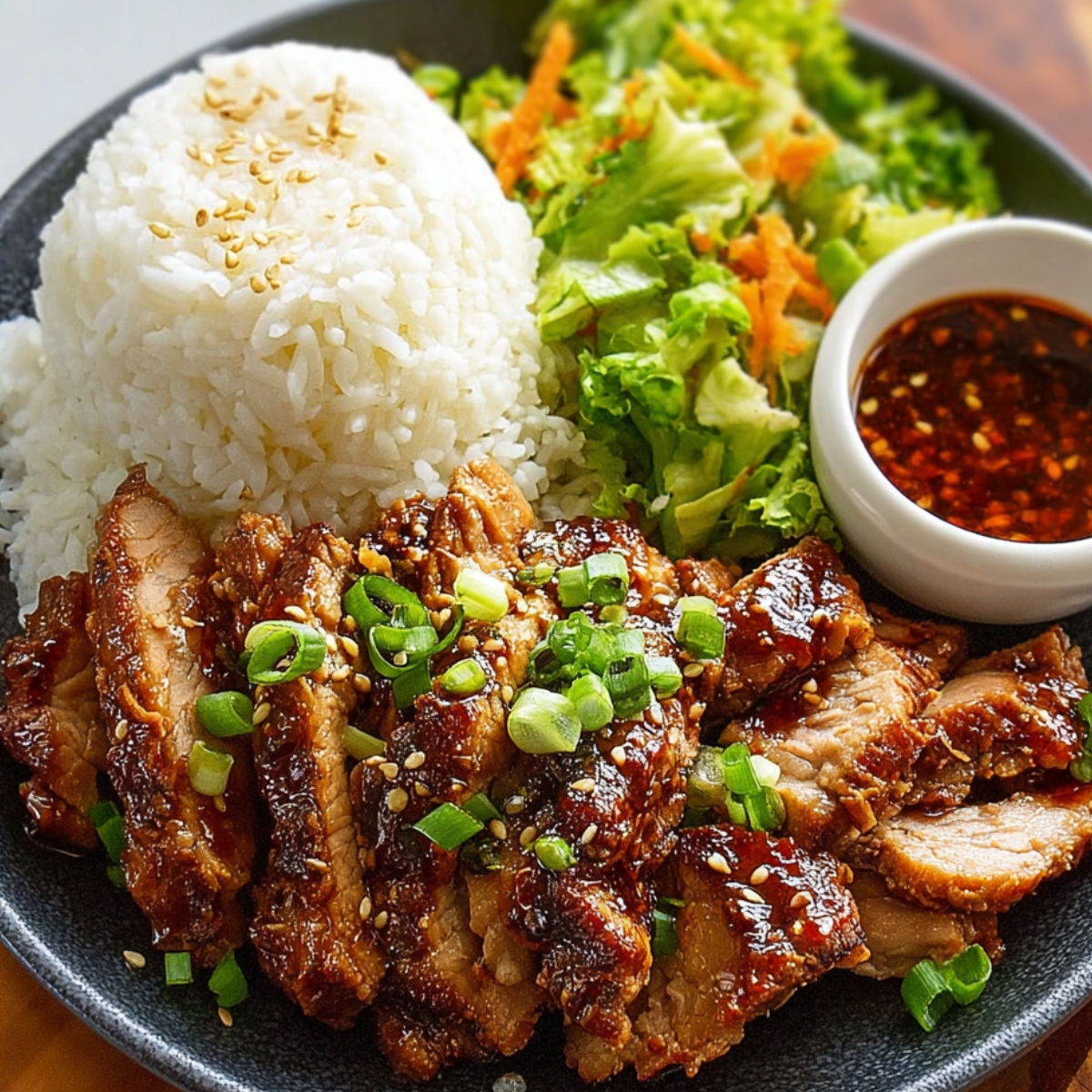
This Korean pork bulgogi is pure weeknight dinner magic. The marinade does all the heavy lifting - sweet from brown sugar, savory from soy sauce, spicy from gochujang, and aromatic from garlic and ginger. Emma's pickiest friend Tyler actually ate three servings and asked if we could teach his mom how to make it. The Korean sweet and spicy pork has this incredible caramelized crust from the sugars in the marinade hitting high heat, while staying juicy and tender inside. It's the kind of Korean BBQ sauce pork that makes you lick your fingers and immediately start planning when you can make it again.
The best part? This Korean BBQ pork recipe is endlessly versatile. Want Korean BBQ pork belly? Same marinade, fattier cut. Prefer Korean BBQ pork chops? Works perfectly. Need Korean BBQ pork tenderloin for something leaner? Absolutely. It's essentially a master marinade that transforms any cut of pork into something special. And because the marinade can be made ahead and the pork grilled in under 15 minutes, you can have restaurant-quality Korean barbecue on a busy Tuesday night without breaking a sweat.
Jump to:
- Why You'll Love This Korean BBQ Pork
- Ingredients You Need for Korean BBQ Pork
- How To Make Korean BBQ Pork Step By Step
- Smart Swaps for Korean BBQ Pork
- Korean BBQ Pork Variations
- Equipment For Korean BBQ Pork
- Storing Your Korean BBQ Pork
- Top Tip
- The Recipe That My Friend and I Still Argue Over
- FAQ
- Korean BBQ Magic Made Simple!
- Related
- Pairing
- Korean BBQ Pork
Ingredients You Need for Korean BBQ Pork
Pork:
- 2 lbs pork (shoulder, belly, or loin), thinly sliced
- Can use pork chops, ribs, or tenderloin
Korean BBQ Marinade:
- ½ cup soy sauce
- ¼ cup brown sugar
- 3 tablespoons gochujang
- 2 tablespoons sesame oil
- 2 tablespoons rice wine or mirin
- 1 Asian pear, grated
- 6 cloves garlic, minced
- 2 tablespoons fresh ginger, grated
- 4 green onions, chopped
- 2 tablespoons toasted sesame seeds
- 1 tablespoon gochugaru - optional for extra heat
- Black pepper to taste
For Serving:
- Extra sesame seeds
- Lettuce leaves
- Steamed rice
- Kimchi
- Ssamjang
- Sliced garlic and green chilies
See recipe card for quantities.
How To Make Korean BBQ Pork Step By Step
Prepare and Slice the Pork
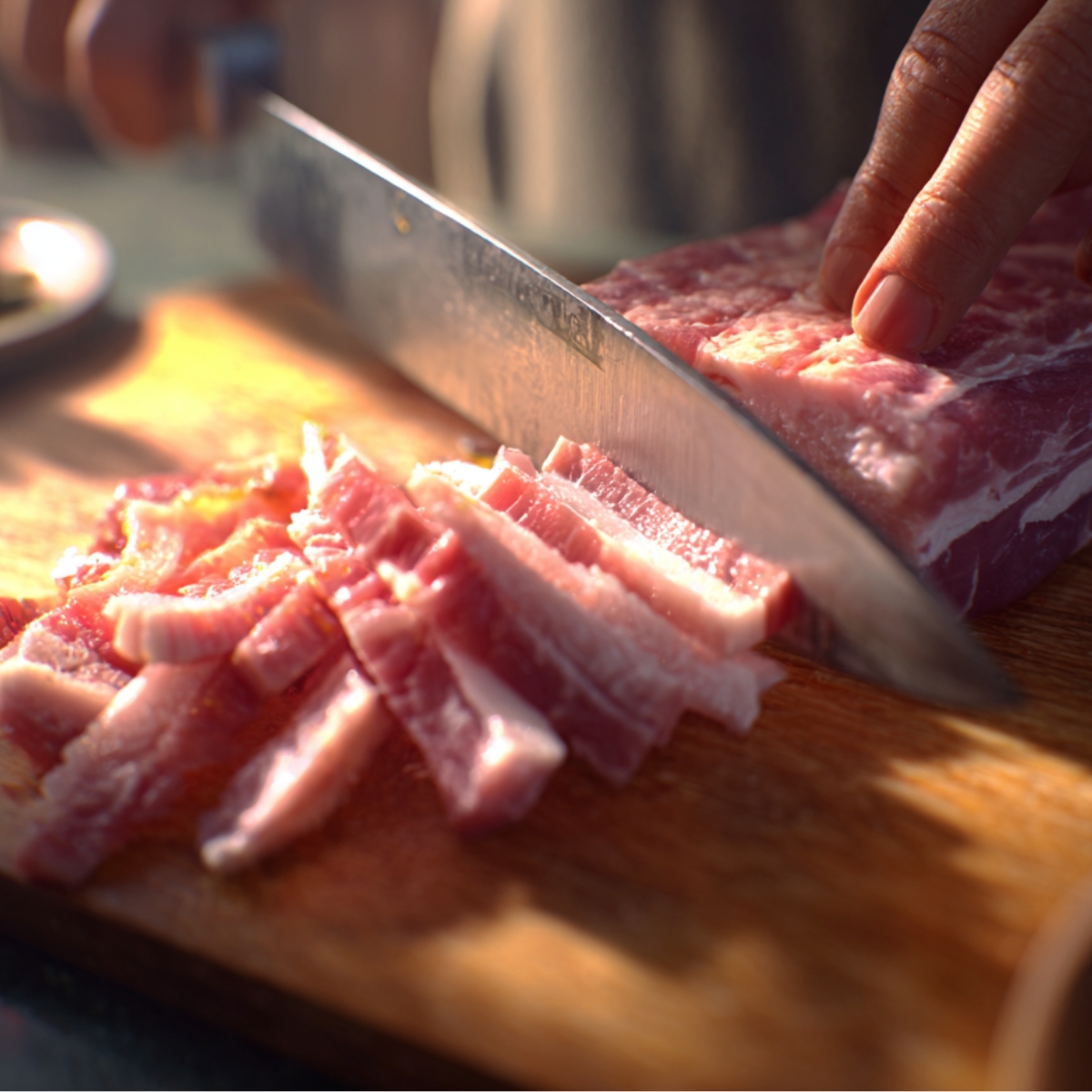
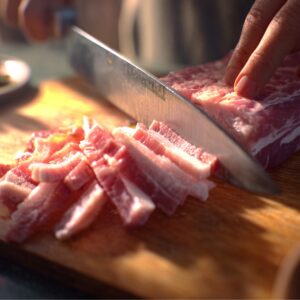
Start by choosing your cut - pork shoulder has the best flavor and stays juicy, pork belly is fattier and more indulgent, pork loin or tenderloin is leaner but can dry out if overcooked. Whatever cut you choose, the key is slicing it thin - about ¼ inch thick, always against the grain. Mrs. Kim taught me to partially freeze the pork for about 30 minutes before slicing - it firms up just enough to make thin, even slices much easier. Look at the meat and find the direction the muscle fibers run, then cut perpendicular to those lines. This shortens the fibers and makes every bite tender instead of chewy.
Make the Marinade
In a medium bowl, combine your soy sauce, brown sugar, gochujang, sesame oil, and rice wine. Whisk until the sugar dissolves and the gochujang is fully incorporated - no lumps. Now add your grated Asian pear (the enzymes in the pear actually tenderize the meat naturally), minced garlic, grated ginger, chopped green onions, sesame seeds, and gochugaru if you want extra heat. Stir everything together until you have this gorgeous reddish-brown marinade that smells absolutely incredible. Taste it - it should be intensely flavored, sweet-salty-spicy all at once.
Marinate the Pork
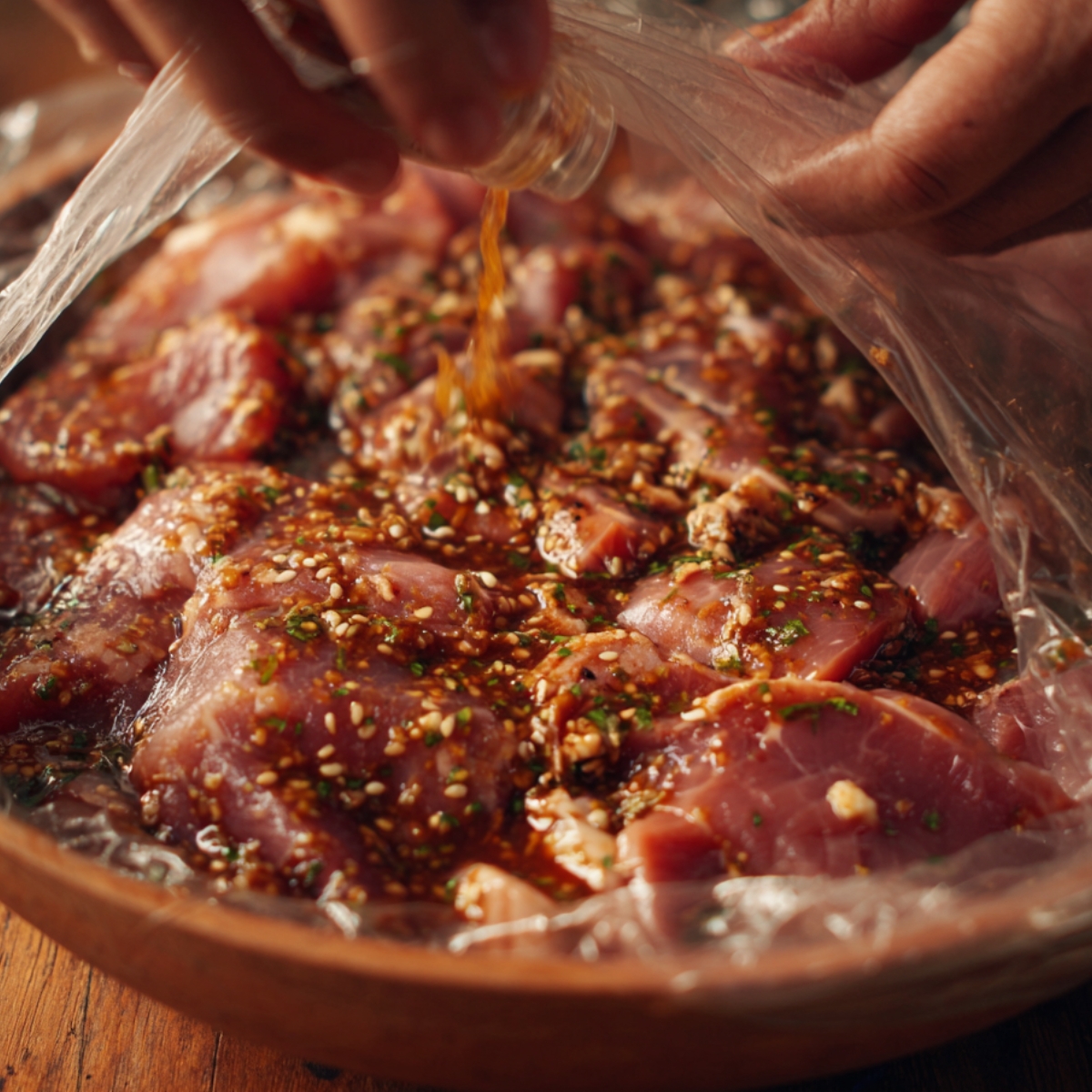
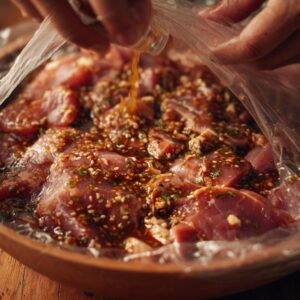
Pour your marinade over the sliced pork and mix thoroughly with your hands, making sure every single piece of meat is coated. Mrs. Kim always said "massage the meat with the marinade, show it love," and honestly, getting your hands in there works better than any spoon. If you're using a bowl, cover it tightly with plastic wrap. If you're using a freezer bag, squeeze out as much air as possible and seal it. Refrigerate for at least 2 hours, but overnight is ideal - the longer it marinates, the more intense and complex the flavor becomes. Flip the bag or stir the bowl once or twice during marinating to ensure even coverage.
Grill the Pork
Heat your grill, grill pan, or large skillet over high heat - and I mean high, you want it screaming hot. If you're grilling outdoors, let those coals get white-hot or your gas grill reach maximum temperature. The sugar in the marinade will caramelize and create that signature char, but you need serious heat for it to happen quickly without drying out the meat. Remove the pork from the marinade, shaking off excess (save the marinade!). Working in batches so you don't crowd the cooking surface, lay the pork pieces flat in a single layer. Don't move them for 2-3 minutes - let them develop that dark, caramelized crust.
Reduce Marinade and Serve
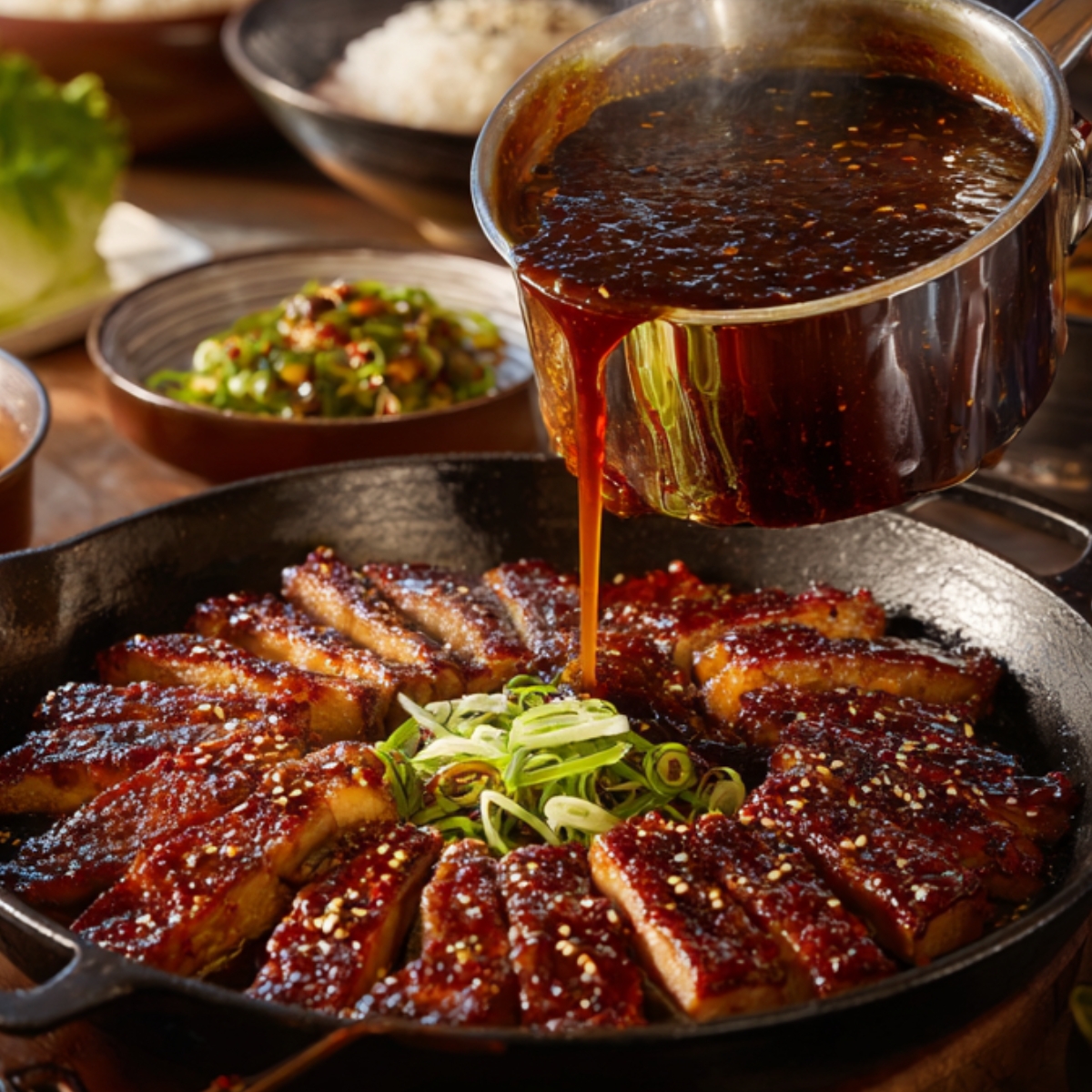
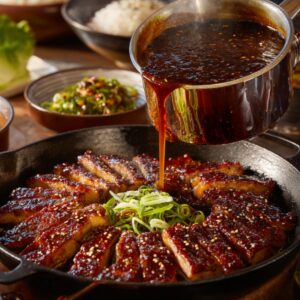
While your pork rests, pour the leftover marinade into a small saucepan and bring it to a boil. Let it simmer for 5-7 minutes until it thickens slightly and reduces by about half - this kills any bacteria from the raw pork and creates an amazing sauce for drizzling. Arrange your grilled pork on a platter, drizzle with the reduced marinade, and sprinkle with extra sesame seeds and sliced green onions. Serve with lettuce leaves for wrapping, steamed rice, kimchi, and all the traditional accompaniments. Show Emma how to take a lettuce leaf, add rice, a piece of pork, maybe some kimchi and ssamjang, then wrap it up and eat it in one bite.
Smart Swaps for Korean BBQ Pork
Pork Cut Options:
- Pork belly → Shoulder (fattier, more indulgent Korean BBQ pork belly)
- Pork loin → Shoulder (leaner, less forgiving if overcooked)
- Pork chops → Thin slices (bone-in for Korean BBQ pork chops)
- Pork ribs → Regular cuts (Korean BBQ pork ribs, longer cooking)
- Pork tenderloin → Other cuts (lean Korean BBQ pork tenderloin)
Marinade Substitutes:
- Apple → Asian pear (sweeter, different enzymes)
- Honey → Brown sugar (liquid sweetness)
- Sriracha → Gochujang (different heat profile)
- Regular chili flakes → Gochugaru (less authentic)
Spice Level:
- Mild: Skip gochugaru, reduce gochujang to 1 tablespoon
- Medium: Recipe as written
- Spicy: Double gochugaru, add fresh chilies
Cooking Methods:
- Broiler → Grill (watch closely, 6 inches from heat)
- Indoor grill pan → Outdoor grill (works perfectly)
- Cast iron skillet → Grill (great for Korean spicy pork stir fry)
Korean BBQ Pork Variations
Extra Spicy:
- Double the gochujang
- Add fresh Thai chilies
- Include extra gochugaru
- Perfect for heat lovers
Sweet and Mild:
- Reduce gochujang to 1 tablespoon
- Add extra brown sugar
- Skip gochugaru completely
- Kid-friendly version
Fusion Tacos:
- Serve in tortillas
- Top with kimchi slaw
- Add sriracha mayo
- Korean-Mexican mashup
Rice Bowl:
- Serve over rice with vegetables
- Add fried egg on top
- Drizzle with extra sauce
- Complete meal in a bowl
Lettuce Wraps:
- Traditional ssam style
- Include all banchan (side dishes)
- Perfect interactive meal
- Authentic Korean experience
Equipment For Korean BBQ Pork
- Grill, grill pan, or large cast iron skillet
- Sharp knife for slicing
- Large bowl or freezer bags for marinating
- Tongs for flipping
- Small saucepan for reducing marinade
- Serving platter
Storing Your Korean BBQ Pork
Marinated Raw Pork (2 days in fridge, 3 months frozen):
- Keep in marinade until cooking
- Can marinate up to 48 hours
- Freeze in marinade for longer storage
- Thaw in fridge overnight before cooking
Cooked Pork (3-4 days in fridge):
- Cool completely before storing
- Keep in airtight container
- Reheat in hot skillet or microwave
- Great for meal prep bowls
Marinade (1 week in fridge):
- Make big batches ahead
- Store in glass jar
- Double or triple recipe
- Always bring to boil before using on cooked meat
Freezing Cooked:
- Reheat in skillet for best texture
- Cool completely
- Freeze in portions
- Thaw overnight in fridge
Top Tip
- The biggest mistake people make is not slicing the pork thin enough, and then they wonder why their Korean grilled pork is chewy instead of tender. Thick slices don't absorb marinade well, take too long to cook through, and stay tough no matter how good your marinade is. You want slices about ¼ inch thick maximum - so thin you can almost see through them. Mrs. Kim would hold up a slice and if light didn't pass through at least a little, she'd make me re-cut it thinner.
- Using heat that's too low is the second most common error, resulting in steamed pork instead of that gorgeous caramelized Korean char-grilled pork everyone loves. The sugar in the marinade needs high heat to caramelize quickly - that's what creates those crispy, almost burnt edges that taste incredible. Low or medium heat just makes the sugar dissolve into the meat without browning, and you lose all that textural contrast between crispy exterior and tender interior.
- Not reducing the leftover marinade is a missed opportunity that makes your final dish less impressive. Raw marinade that touched uncooked pork isn't safe to use as-is, but boiling it for 5 minutes kills any bacteria and transforms it into this incredible, thick, glossy sauce. The reduction concentrates all those flavors - the sweetness intensifies, the spiciness deepens, and it becomes syrupy enough to cling to the meat instead of running off.
The Recipe That My Friend and I Still Argue Over
My best friend and I have been making Korean BBQ pork for our families for years, and we have this hilarious ongoing debate about marinade time. She insists that 2 hours is plenty and that marinating longer doesn't make a noticeable difference. I maintain that overnight marination creates deeper, more complex flavor that's worth the wait. We actually did a blind taste test at a cookout last summer - she made hers with a 2-hour marinade, I made mine with 24 hours - and had eight people vote on which tasted better. The result? A frustrating five-to-three split in my favor, but she claims those three voters had "more sophisticated palates" so technically she won.
But here's what neither of us wanted to admit: we'd both been adjusting our methods based on the other's feedback. She finally confessed she'd been adding an extra tablespoon of gochujang to her "short marinade" version to "compensate for the time," making it more intensely flavored upfront. I sheepishly admitted I'd started doing a quick 30-minute room-temperature pre-marinade before the overnight fridge session because her faster method did get flavor into the meat's surface more quickly. Emma watched this whole confession laughing because she'd been eating both versions at playdates and thought they were basically identical.
FAQ
What cut of pork is used in Korean barbecue?
The most traditional cut for Korean BBQ pork is pork shoulder (also called pork butt), which has perfect marbling that stays juicy and flavorful during grilling. However, Koreans use many different cuts depending on the dish - pork belly (samgyeopsal) is extremely popular for its rich, fatty texture that gets crispy when grilled. Pork loin or tenderloin works if you want something leaner, though you need to be more careful not to overcook it. For Korean BBQ pork ribs, use spare ribs or baby back ribs cut into individual bones.
Is Korean barbecue sauce good on pork?
Absolutely! Korean barbecue marinade is specifically designed to complement pork's natural sweetness and mild flavor. The combination of soy sauce, gochujang, garlic, ginger, and sesame oil enhances pork without overwhelming it. Unlike American BBQ sauce which is often tomato-based and thick, Korean marinades penetrate the meat and tenderize it while building layers of sweet-salty-spicy flavor. The sugar content caramelizes beautifully when you grill pork, creating that signature charred exterior.
What pork cut to use for bulgogi?
Traditional pork bulgogi uses thinly sliced pork shoulder or pork loin, cut against the grain into pieces about ¼ inch thick. Shoulder has more marbling and stays juicier, making it more forgiving if you're new to bulgogi. Loin is leaner and slightly more tender but can dry out if overcooked. Some people use pork belly for an extra-rich version, though that's technically closer to samgyeopsal than bulgogi. The key isn't just the cut - it's slicing it paper-thin against the grain.
How to cook Korean barbecue pork loin?
Korean BBQ pork loin should be sliced thin (¼ inch), marinated for at least 2 hours (overnight is better), then grilled over high heat for just 2-3 minutes per side. The key with loin is not overcooking since it's a lean cut with less fat to keep it moist. Heat your grill or grill pan until screaming hot, then work in batches so you don't crowd the cooking surface. The thin slices should develop dark caramelized char marks while staying tender inside.
Korean BBQ Magic Made Simple!
You've just learned how to create restaurant-quality Korean BBQ pork that rivals anything you'd get at those fancy Korean barbecue restaurants near you. This isn't just another Asian recipe you try once and forget - it's a technique and flavor combination that will transform your weeknight dinners and impress every single person you serve it to. From Mrs. Kim's Seoul kitchen wisdom to my ongoing marinade-time debate with my best friend, you now have all the secrets to make Korean marinated pork that people literally dream about.
Want more Korean-inspired recipes? Try our Easy Chickpea Feta Avocado Salad Recipe for crispy, spicy, addictive wings. Our The Best Garlic Mushrooms Cauliflower Skillet Recipe is a colorful, healthy meal in a bowl. Need more grilled dishes? Our Easy Homemade Pizza Eggs Recipe delivers sweet and savory perfection. And for another pork recipe, our Asian Pork Meatballs Recipe makes an excellent appetizer!
Share your Korean BBQ pork creations with us! We absolutely love seeing your grilled creations and hearing which cuts you prefer. Emma gets so excited when people post their ssam wraps - she feels like she's spreading Korean food culture one lettuce wrap at a time.
Rate this Korean BBQ Pork and let us know your results!
Related
Looking for other recipes like this? Try these:




Pairing
These are my favorite dishes to serve with Korean BBQ Pork



Korean BBQ Pork
Equipment
- 1 Grill, grill pan, or cast iron skillet (high heat preferred)
- 1 Sharp knife (for thin slicing)
- 1 Large bowl or freezer bag (for marinating)
- 1 Tongs (for grilling)
- 1 Small Saucepan (for reducing marinade)
- 1 Serving Platter
Ingredients
Pork
- 2 lbs pork shoulder belly, or loin - thinly sliced (¼ inch)
Korean BBQ Marinade
- ½ cup soy sauce
- ¼ cup brown sugar
- 3 tablespoon gochujang - Korean red chili paste
- 2 tablespoon sesame oil
- 2 tablespoon rice wine or mirin
- 1 whole Asian pear - grated
- 6 cloves garlic - minced
- 2 tablespoon ginger - grated
- 4 whole green onions - chopped
- 2 tablespoon sesame seeds - toasted
- 1 tablespoon gochugaru - optional extra heat
- — — black pepper - to taste
For Serving
- — — sesame seeds - garnish
- — — lettuce leaves - for wraps
- — — steamed rice
- — — kimchi
- — — ssamjang
- — — sliced garlic + chilies - optional
Instructions
-
Slice the pork thinly for tender and juicy results

-
Prepare the marinade by mixing all ingredients thoroughly
-
Coat the pork completely and refrigerate for flavor
- Grill the pork over high heat to caramelize edges
- Serve the pork with rice, lettuce, and kimchi




Leave a Reply